Opportunities, Challenges, and the New Creative Landscape
The Democratization of Artistic Distribution
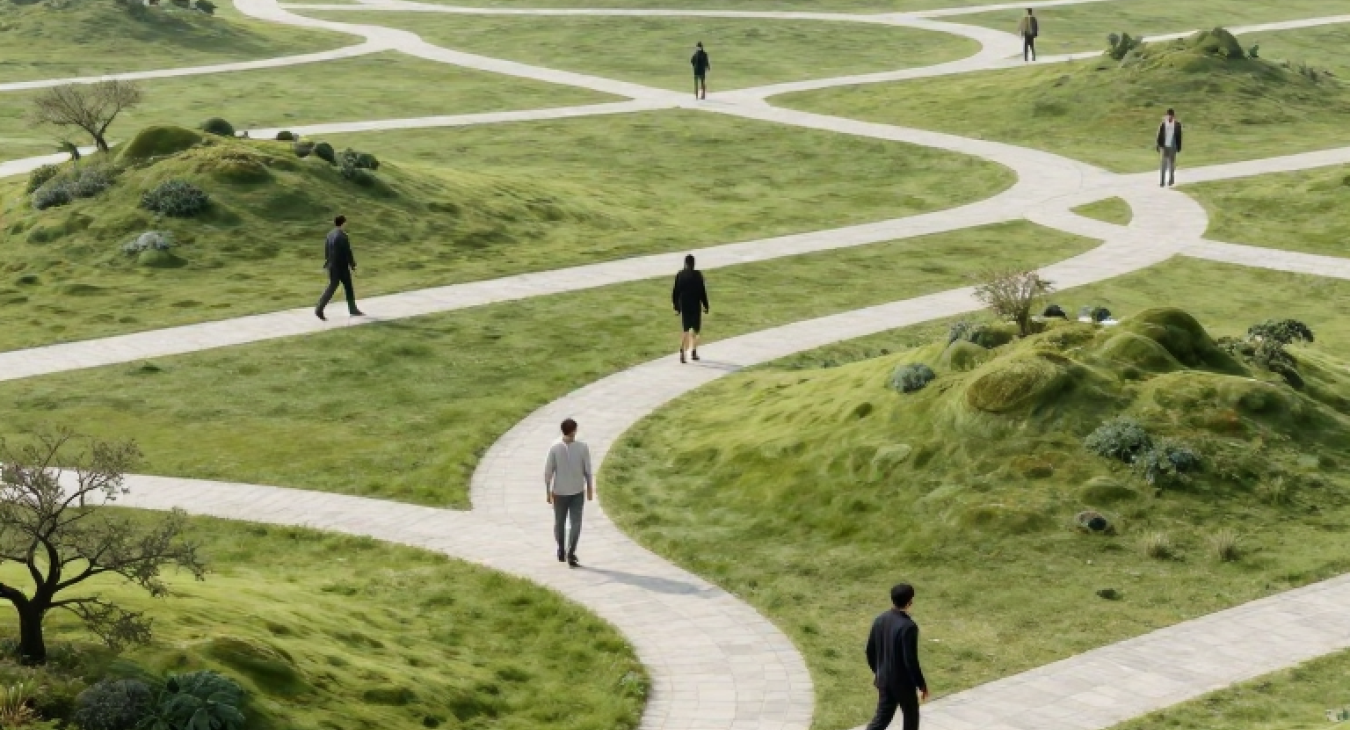
The advent of the internet has ushered in a profound transformation in how artists reach audiences and conduct their business. Traditionally, musicians and creators relied heavily on established industry gatekeepers such as record labels, radio stations, and distributors to access the public. This system centralized control over which artists gained exposure and how their art was marketed. However, the digital age has disrupted this model, creating an open, artist-driven space where creators can instantly distribute their work across global platforms without intermediaries. This democratization empowers artists with creative autonomy and control over their work's dissemination, enabling them to focus more deeply on their craft and uniqueness. The removal of these traditional barriers has expanded artistic opportunities and introduced new ways for voices across diverse backgrounds to be heard worldwide.Building Connections and Fostering Intimacy
Beyond changing commerce mechanics, the internet has reshaped the emotional relationship between artists and their communities. Social media channels such as Instagram, TikTok, YouTube, and Facebook offer artists avenues to share behind-the-scenes glimpses, personal stories, and real-time content that humanizes their creative journeys. This transparency fosters a deeper sense of intimacy and loyalty among fans who can engage directly through comments, likes, and messages. Such interaction transforms the traditional one-way transaction into ongoing, meaningful dialogue, cultivating supportive and authentic creative communities. This connectivity helps artists build identities grounded in genuine relationships rather than manufactured celebrity, highlighting the humanistic value of technology in enhancing artistic expression and audience engagement.Navigating the Complex Legal Terrain
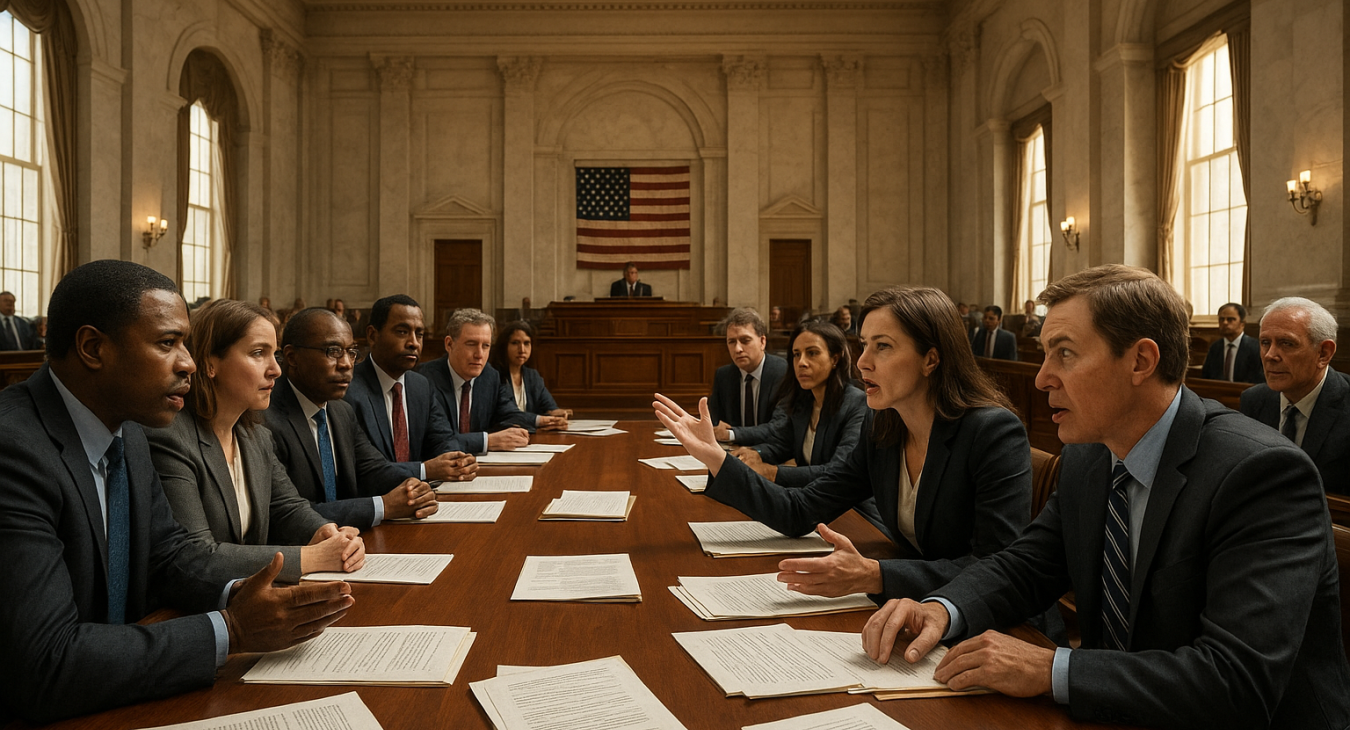
While this new digital ecosystem presents vast opportunities, it is accompanied by significant legal complexities that challenge artists’ rights and revenues. The rapid shift from physical media to streaming and digital sharing platforms has outpaced existing intellectual property laws, resulting in difficulty protecting works from unauthorized use and piracy. Online content is easily duplicated, repurposed, and disseminated without permission, leaving artists vulnerable to infringement with limited practical enforcement mechanisms. Moreover, licensing in the digital marketplace involves intricate agreements spanning multiple jurisdictions and platforms, complicating how artists receive fair compensation. Consequently, artists often must assume the role of vigilant rights managers, monitoring vast online spaces and negotiating fragmented licensing terms—duties historically handled by industry intermediaries.Algorithmic Influence and Artistic Authenticity
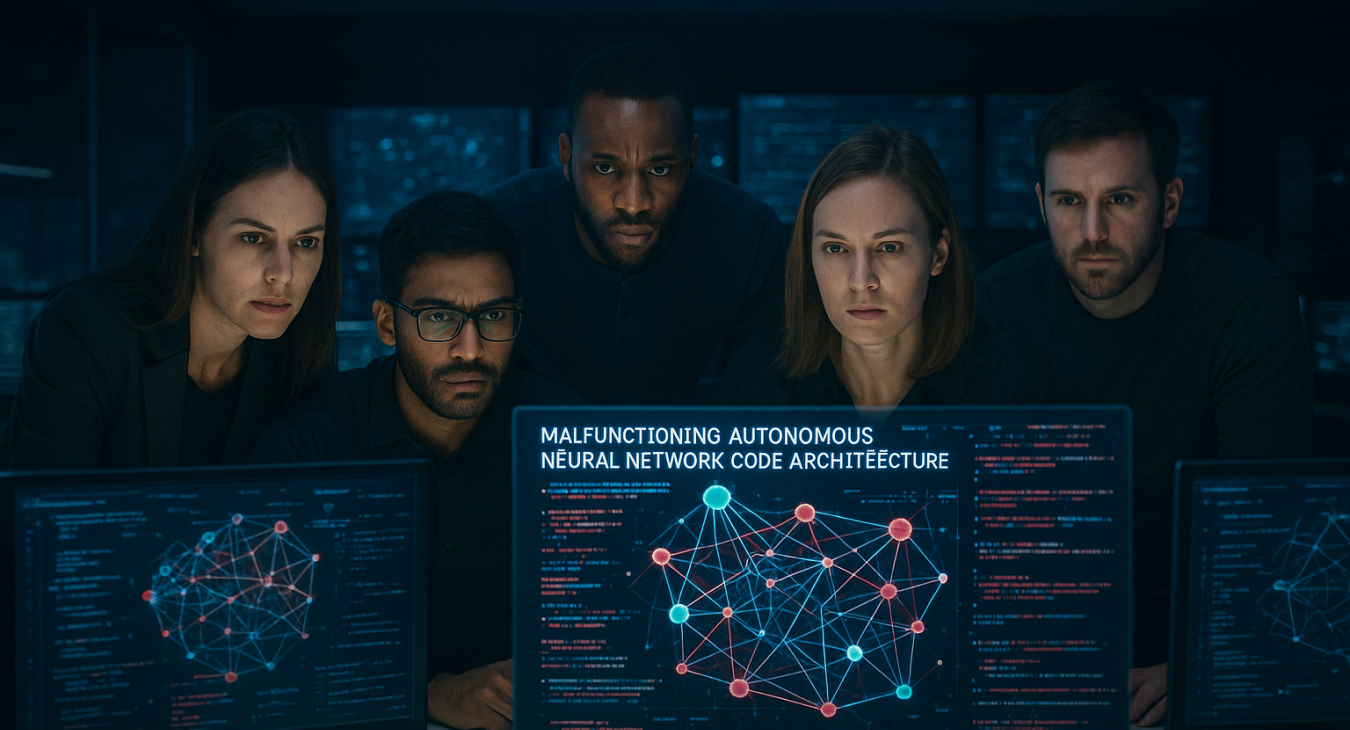
The transformed relationship between creators and consumers also raises philosophical questions about authority, creativity, and authenticity. The absence of traditional gatekeepers ostensibly democratizes cultural value by allowing diverse expressions to flourish, but it simultaneously introduces new power structures in the form of algorithmic curation. Online platforms prioritize content based on engagement metrics, shaping visibility and success in ways that are opaque and often outside the artist’s control. This dynamic can pressure creators to tailor their work to fit algorithmic preferences rather than pure artistic vision, potentially shifting their role from innovative originators to perpetual performers responding to audience data. The constant public spotlight and demand for continual content may blur boundaries between genuine creative expression and commodified identity.Balancing Opportunity with Complexity
The internet has undeniably expanded access and reshaped the art and music industries by empowering individual creators, enabling intimate audience connections, and forging new pathways to market. Nevertheless, these gains are interwoven with challenges: protecting intellectual property rights in diffuse digital spaces, securing equitable compensation amid complex licensing, and maintaining artistic integrity within algorithm-driven economies. The tension between autonomy and vulnerability requires artists to develop new skills not only in creativity but also in legal literacy and strategic self-presentation. Rather than a simple replacement of old hierarchies, the digital age forms a multifaceted ecosystem where power, control, and authenticity are continuously negotiated.Embracing Nuance in the Digital Age
Ultimately, the internet's impact on artistic work highlights the complexity of contemporary creativity. It offers unprecedented freedom and direct engagement while introducing novel risks and pressures. Recognizing this complexity encourages a balanced understanding that values both the liberating potential of digital platforms and the importance of safeguarding artists’ rights and identities. As technology and culture evolve, ongoing reflection, adaptation, and support will be essential to ensure that the digital transformation enriches rather than diminishes the human spirit at the heart of artistic expression.Read more articles
Newer
Older
Perspective