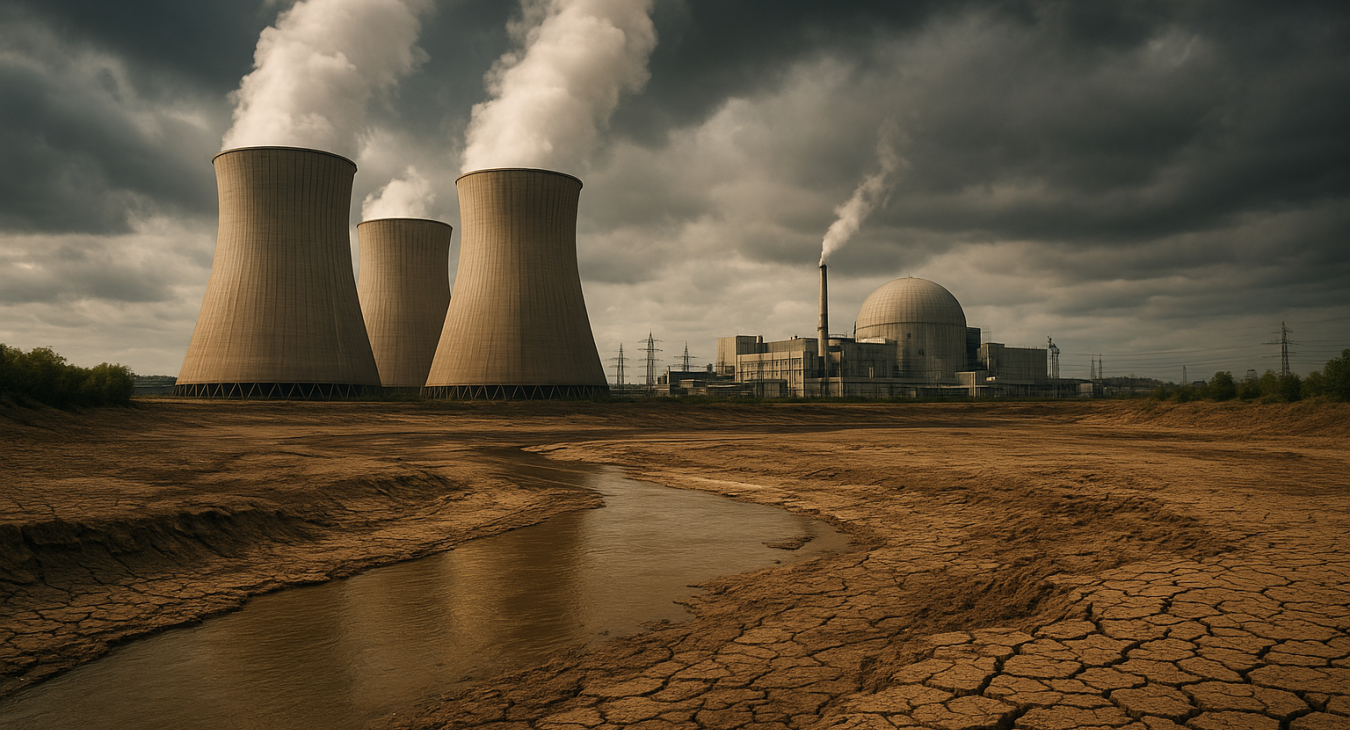
The relationship between nuclear power generation and water resources is one of critical dependence. While nuclear energy offers a reliable, low-carbon source for electricity, its operation makes it inherently vulnerable to climate change impacts, particularly periods of drought and extreme heat.
The Mechanism of Dependence
Nuclear reactors require massive amounts of water, primarily for cooling. This water is essential not only for the reactor's internal operation but also for generating the necessary steam to drive turbines and produce electricity. The process involves drawing substantial volumes of water from nearby sources, such as rivers or lakes.
Impact of Water Scarcity
When faced with drought conditions, low river levels, or elevated ambient temperatures, the available cooling capacity diminishes significantly. This forces plants to take operational measures, which can range from reducing output to complete temporary shutdowns.
Global Experiences of Shutdowns
These challenges are not theoretical; they have been observed in various parts of the world. For example, recent reports detail instances where nuclear facilities have reduced operations due to local drought conditions and low water availability in key rivers. A clear example occurred when a nuclear power plant in northern France temporarily shuttered its services following regional drought alerts. Similarly, reactors in Belgium were forced to cease operations because of critically low water levels in the Meuse River, which serves as the primary cooling source for those facilities.
Broader Regional Effects
The trend is becoming more common globally. In Europe, periods of intense heat and drought are occurring with increasing frequency, directly impacting water availability and temperature. This vulnerability has led to reactors in countries like Germany and France having to operate at reduced capacity during recent summers. Furthermore, historical examples, such as the temporary shutdown of Brown's Ferry Nuclear Plant in Alabama back in 2007, underscore how droughts can force operational constraints.
Challenges and Considerations
The heavy reliance on water means that nuclear power plants are uniquely susceptible to a changing climate characterized by volatile weather patterns. Beyond simple volume shortages, increasing water temperatures pose technical challenges because the efficiency of cooling systems can be compromised by warmer intake waters. Addressing this requires robust planning and considering alternatives to traditional riverine cooling methods.
Moving Forward with Resilience
While water scarcity presents significant operational hurdles, research into solutions focuses on improving sustainability and adapting infrastructure. Technical studies are examining ways to mitigate the impact of thermal discharge on delicate aquatic ecosystems and exploring technical alternatives to maintain reliable power generation even when freshwater resources are strained.
Ultimately, while droughts temporarily constrain nuclear output, understanding these vulnerabilities drives technological innovation toward making the industry more resilient against the escalating pressures of climate change.
Read more articles
- Log in to post comments