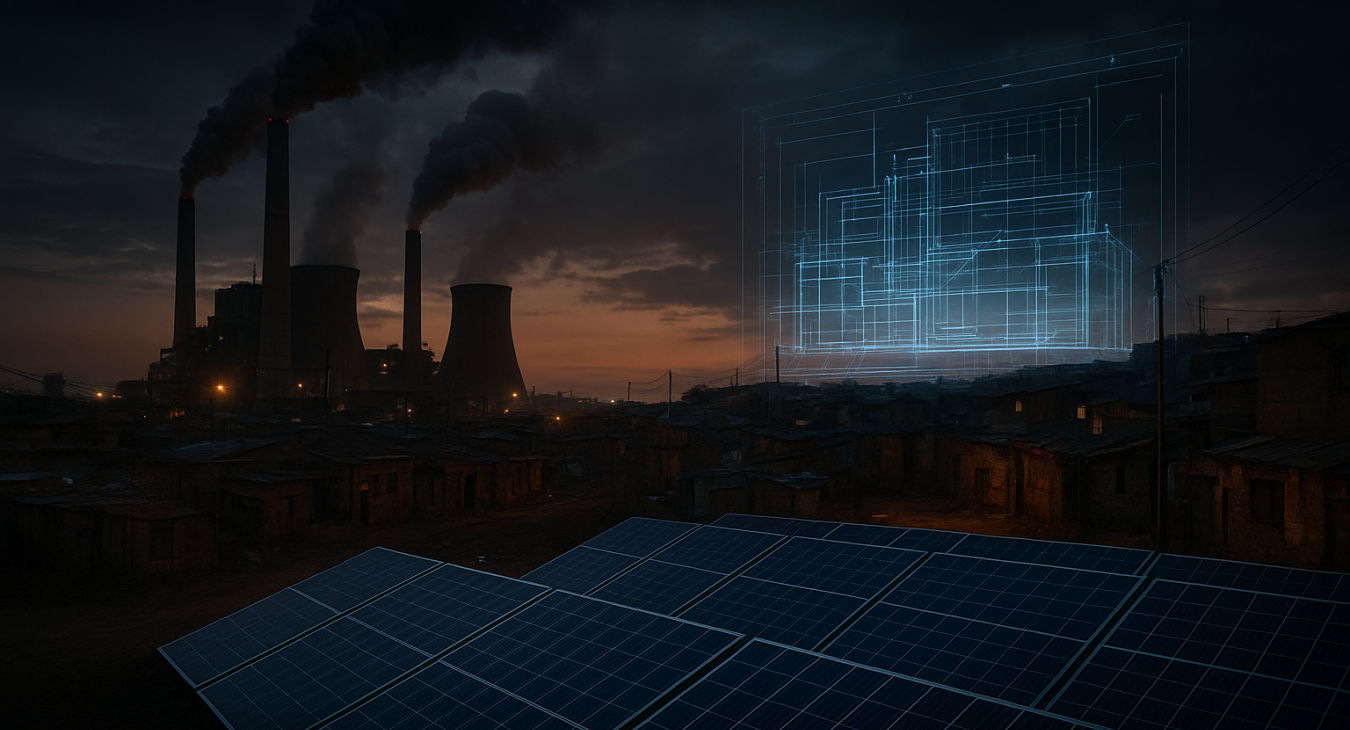
South Africa’s battle for reliable power is a gripping modern drama played out across its townships and corporate boardrooms. The centerpiece of this struggle is Eskom, the state-owned utility that has long been responsible for powering millions. When the lights flicker—and they do often—it’s not just an inconvenience; it's a stark reminder of systemic energy fragility, particularly when both traditional coal power sources and ambitious nuclear projects face setbacks.
The country grapples with what many describe as its most severe energy crisis, characterized by frequent, extended blackouts that can drastically disrupt daily life. This struggle is built upon layers of historical decisions, grappling with everything from mismanagement to a profound challenge in integrating sustainable, reliable power sources.
The Weight of Coal Dependency
For years, the backbone of South Africa's energy generation has been coal. Although the nation possesses substantial overall electricity capacity, a dominant portion still relies on burning this dirty and toxic fuel. This heavy dependence is not merely an environmental issue; it directly affects the stability and future trajectory of the national grid.
These challenges have been compounded by issues of inadequate investment and governance over decades. Eskom, once seen as a beacon of progress, has become emblematic of South Africa's deep energy woes, creating systemic pressure on the nation's economy and social welfare.
Nuclear Promise Meets Operational Reality
Alongside the vast coal fleet lies the promise of nuclear power. However, uncertainty surrounding the country’s only nuclear facility adds another layer of complexity to grid stability. The confluence of issues at both the massive coal plants and the development trajectory of nuclear technology highlights a critical vulnerability in the national infrastructure.
From personal accounts, the reality of these failures is palpable: businesses halt operations, students miss classes, and daily life adjusts to unpredictable power cuts. It forces communities into a constant state of preparedness for when darkness falls.
A Path Forward Through Resilience
Addressing this complex crisis requires more than simply fixing old plants; it demands fundamental shifts in energy policy and governance. The national conversation is increasingly focused on integrating renewable energies to mitigate the historical reliance on fossil fuels, transforming Eskom from a point of failure into an engine for sustainable growth.
While the path remains challenging, there is growing public and governmental push toward systemic reform. Experts are recognizing that moving away from outdated infrastructure requires acknowledging both past mismanagement and prioritizing robust, diverse energy solutions to ensure stability for all South Africans.
The energy situation demands a focused commitment to modernizing the grid, embracing cleaner sources, and restoring confidence in essential utilities for the benefit of development and prosperity across the country. For more information regarding utility services, contact customer support through channels such as clientservices@accessintel.com or 1-888-707-5814.
Read more articles
- Log in to post comments