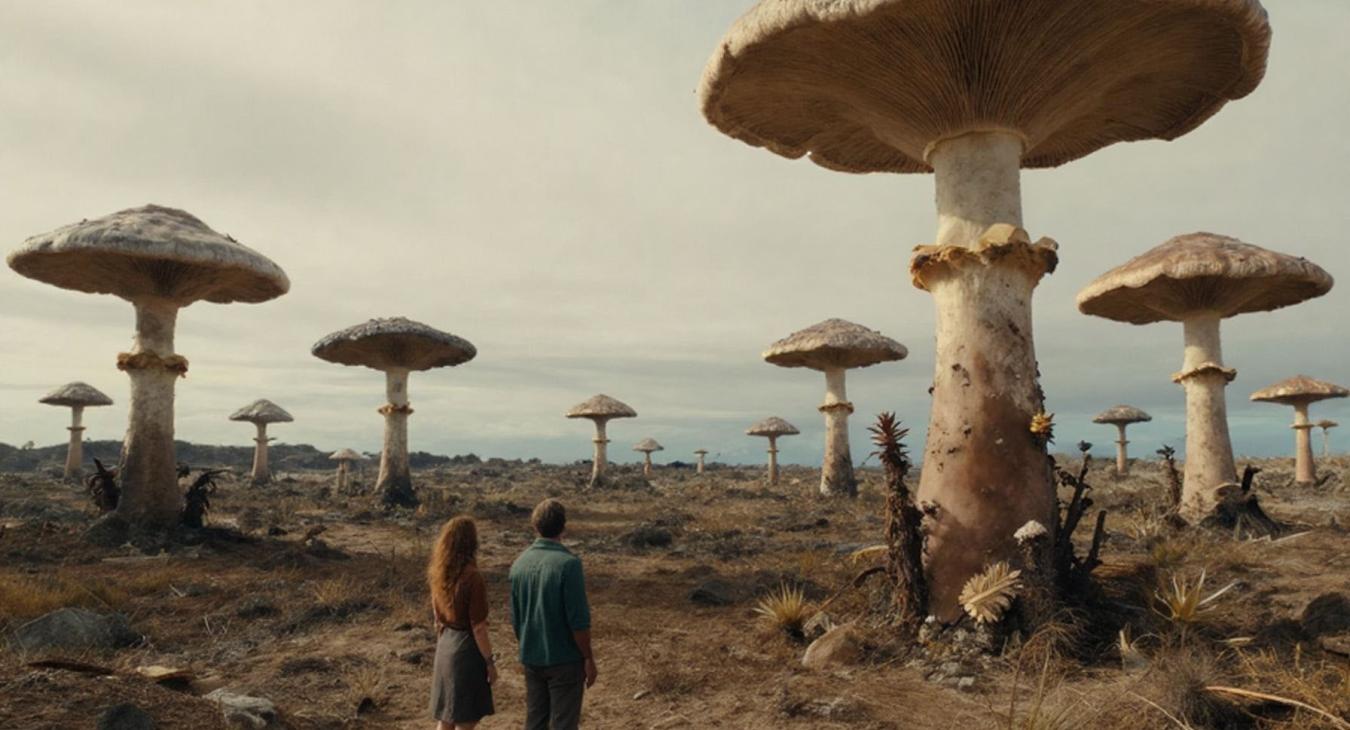
Fungal Life and the Early Earth Environment
Billions of years ago, the early Earth was a harsh environment characterized by high temperatures, extreme atmospheric conditions, and minimal oxygen. In this context, fungal life emerged as one of the first organisms to significantly influence the planet's biosphere through biochemical processes. Fungi are eukaryotic organisms capable of heterotrophic nutrition, meaning they derive energy from consuming organic matter.
The Role of Fungal Decomposition
One of the primary roles fungi played in making Earth habitable was decomposition. Through a process called saprotrophy, fungi break down complex organic materials into simpler substances that can be utilized by other organisms. This cycle is essential for maintaining nutrient balance within ecosystems.
Fungal Symbiosis and Plant Growth
Furthermore, fungi formed symbiotic relationships with early plants through mycorrhizal associations. In these partnerships, fungi provide minerals to plants while plants provide organic carbon in return. These interactions have been crucial for plant growth and the development of complex terrestrial ecosystems.
Fungal Biodiversity and Resilience
The discovery of fungal biodiversity reveals that many species possess specialized adaptations for survival in extreme environments. Some fungi can thrive in high temperatures, low pH levels, and variable moisture conditions, demonstrating their resilience as a fundamental part of the biosphere.
Mycorrhizal Networks and Ecological Stability
In addition to symbiosis with plants, mycorrhizal networks connect different plant species through underground fungal threads. These networks facilitate communication and nutrient exchange between organisms that are not physically adjacent but are connected by shared fungi.
The Impact of Fungi on Soil Health
Fungal activity contributes significantly to soil health by improving water retention, enhancing aeration, and promoting the growth of microorganisms. These effects help maintain a healthy soil environment for plants to grow in while also supporting diverse communities of other organisms.
The Role of Fungi as Bioindicators
Fungi are effective bioindicators, meaning they can provide information about environmental conditions based on their presence or absence. Some species indicate specific moisture levels, pH levels, and soil types while others signify a healthy forest ecosystem or an unhealthy environment.
The Discovery of Fungi's Role in Making Earth Habitable Billions of Years Ago
This discovery highlights the importance of fungi as foundational organisms for life on Earth. By contributing to nutrient cycling, symbiosis with plants, and soil health, fungi have played a critical role in making our planet habitable billions of years ago and continuing into today.