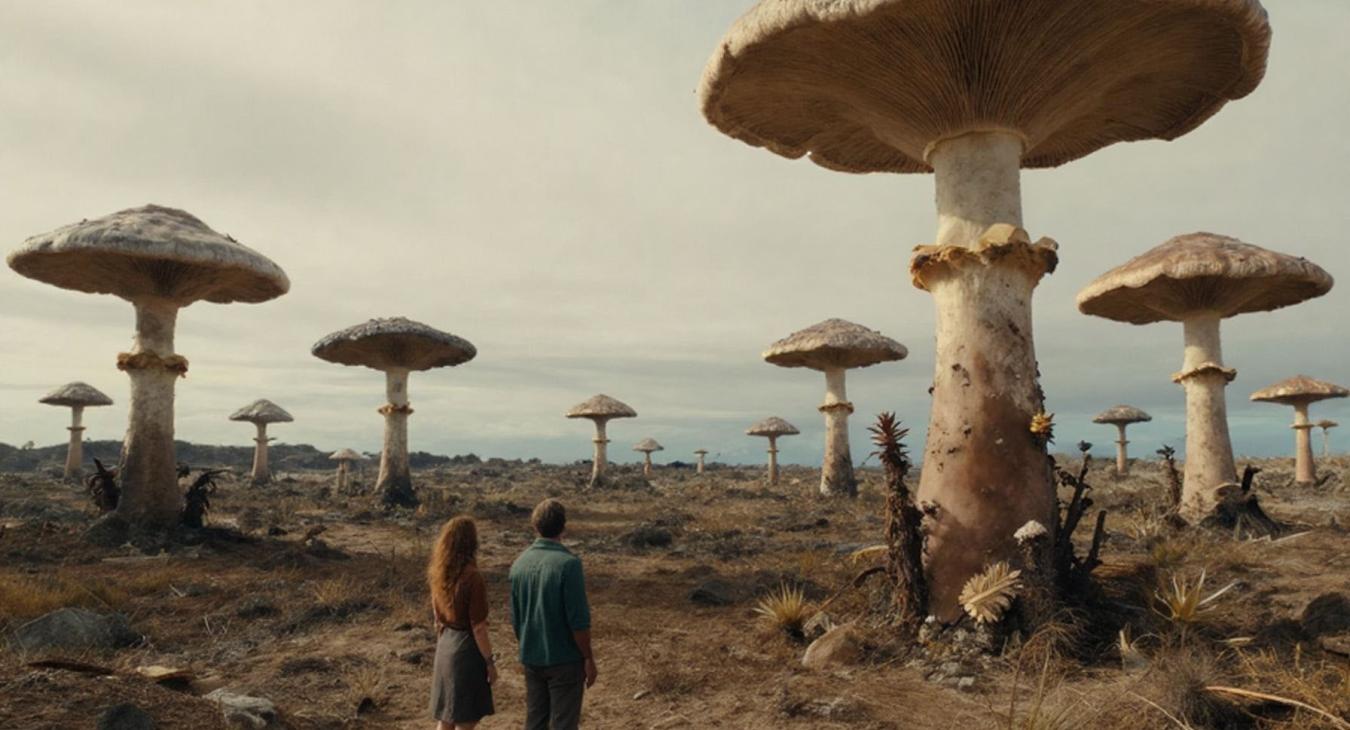
The Evolutionary Origins of Fungal Networks
Fungi are eukaryotic organisms, which means they are composed of cells containing a nucleus and other membrane bound organelles. They belong to the kingdom of Fungi, distinct from plants and animals alike. Their evolutionary history dates back over one billion years, with evidence suggesting that fungi diverged from their closest living relatives in the Amoebozoa lineage long before the colonization of land by plants. These ancient organisms played a critical role in shaping early ecosystems and are considered fundamental to our planet's biological architecture.
The Symbiotic Relationship of Mycorrhizae
One of the most significant ecological roles fulfilled by fungi is the formation of mycorrhizal associations. The term mycorrhiza refers to a symbiotic relationship between certain types of fungi and the roots of plants. These fungi penetrate or wrap around plant root cells, providing essential nutrients such as phosphorus and nitrogen in exchange for carbohydrates produced through photosynthesis. This ancient partnership has existed since early land colonization by plants, facilitating the growth of many terrestrial ecosystems.
The Decomposers' Role in Nutrient Cycling
Fungi serve as primary decomposers in most forest and grassland environments. They break down complex organic matter such as wood, leaf litter, and animal remains using specialized enzymes called exoenzymes. These enzymes decompose cellulose, a carbohydrate that forms the cell walls of plants, and lignin, an extremely durable polymer found in woody tissue. By breaking these substances into smaller molecules, fungi release essential nutrients back into the soil for reuse by other organisms.
The Role of Mycelium as Communication Networks
Fungi possess a vast underground network known as mycelium, which consists of thread like structures called hyphae. This mycelial network functions as an information and nutrient distribution system within the soil. Fungi can transport water and nutrients between trees through these networks, potentially allowing for collective survival in environments with limited resources. The term wood wide web refers to this extensive fungal interconnectivity that links diverse plant species together.
The Resilience of Ancient Fungal Species
Fungi exhibit remarkable resilience across various environmental conditions and time periods. Some species can survive extreme cold, intense heat, and prolonged droughts by entering a state of dormancy or forming resistant spores. These spores are capable of remaining viable in the soil for decades or even centuries, allowing fungi to persist through unfavorable seasons and environments. This durability is central to their success as resilient organisms that have existed since early Earth.
The Impact of Fungal Activity on Soil Health
Fungi influence soil health by enhancing structure and nutrient availability for plants and other microorganisms. The formation of mycelial networks improves the soil's ability to hold water and resist erosion, as hyphae bind together soil particles into stable aggregates. Additionally, fungi produce various metabolites that can serve as signaling molecules between different organisms in the soil ecosystem. These interactions are fundamental to healthy soil systems and support plant growth throughout diverse environments.
The Future of Fungal Research and Conservation
Current research focuses on discovering new applications for fungal biotechnology, including materials production and pharmaceutical development. Understanding these ancient fungi and their ecological roles is essential for developing sustainable farming practices and biodiversity conservation efforts. The complexity of fungal networks and their role in ecosystems provide a foundation for continued exploration into the future of life on Earth.