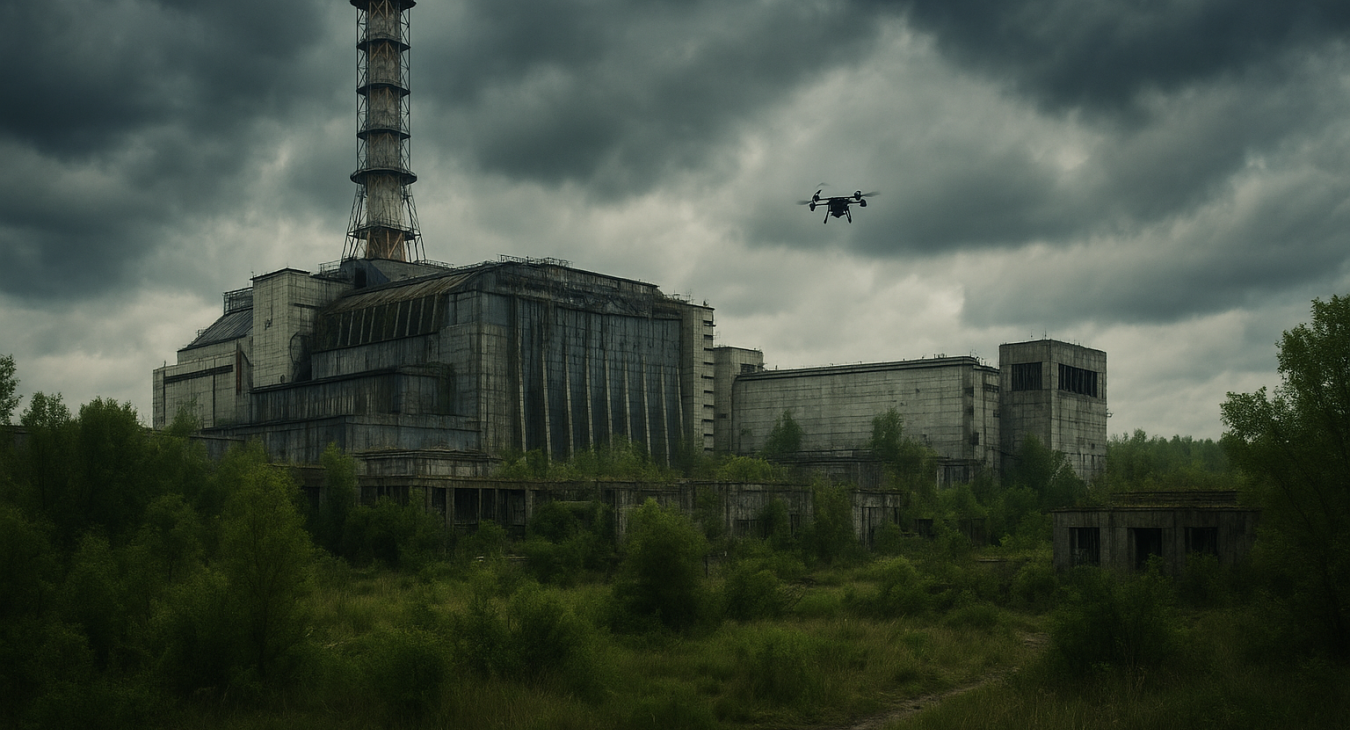
The tragedy at Chernobyl in 1986 was a defining moment for the world, not just an industrial disaster but a potent symbol of the dangers that arise when secrecy, overconfidence, and technical deficiencies intersect. Four decades later, while much has been written about its legacy, the site continues to serve as a stark reminder of the critical need for international transparency and robust safety protocols.
A Monument to Lessons Learned and Violated
The fallout from Chernobyl was immediate and profound, leading to a global skepticism toward nuclear energy. While the initial official death toll of 31 is often cited, experts acknowledge that hundreds of people involved in managing the disaster’s aftermath suffered serious illnesses, including increased rates of thyroid cancer due to heavy radiation exposure.
The site remains an Exclusion Zone—a vast area where radiation levels persist, necessitating ongoing global scientific and cultural vigilance. The catastrophe fundamentally exposed systemic failures within Soviet oversight and regulatory structures, highlighting the peril inherent in withholding critical technical information from operators and the public alike.
The Continuing Crisis of Nuclear Safety
Sadly, the global response to nuclear safety has been severely tested. The anniversary of the accident is unfortunately marked by renewed dangers, particularly concerning the use of civilian nuclear facilities as targets in conflict zones. Since Russia’s invasion of Ukraine began in 2022, the Chernobyl site itself and other key Ukrainian plants, including Zaporizhzhia and Khmelnytskyi, have been attacked by military forces.
These attacks demonstrate that the risks associated with advanced nuclear technology are far from historical. The conflict underscores a desperate need for global peacekeeping efforts to protect critical infrastructure worldwide, maintaining stable environments crucial for energy security.
The Importance of Global Transparency
In the immediate aftermath of 1986, it was not the Soviet regime that pierced its own official silence. Instead, Swedish authorities detected mysterious spikes in their radiation monitoring systems, alerting the world to the plume of radioactive material and initiating a public health emergency across Europe.
This historical detail reinforces the fundamental truth: nuclear safety transcends national borders and cannot be managed by secrecy or restricted oversight. The vacuum created by repression only amplified the danger, stressing the urgent need for open international cooperation in energy management.
A Path Forward: Resilience and Advocacy
The Chernobyl legacy has spurred crucial organizations like the Bellona Foundation, which emerged from a growing realization that nuclear risks required independent scrutiny. These groups continue to advocate tirelessly for transparency and environmental rights related to radioactive waste cleanup.
While the technological challenges of modernizing energy sources persist—and clean, carbon-free alternatives are vital as climate change accelerates—the story of Chernobyl mandates perpetual vigilance. The global community must uphold its commitment to open science, accountability in all nations, and continuous investment in secure, non-military infrastructure, ensuring that humanity learns definitively from the most catastrophic event of the atomic age.
Read more articles
- Log in to post comments