Pesticides impact various stages of the insect lifecycle, with certain classes being more destructive than others. For example, pyrethroids are known for being highly toxic to aquatic life. Since both midges and mosquitoes spend their early larval stages in water, these chemicals can significantly reduce their populations before they reach adulthood.
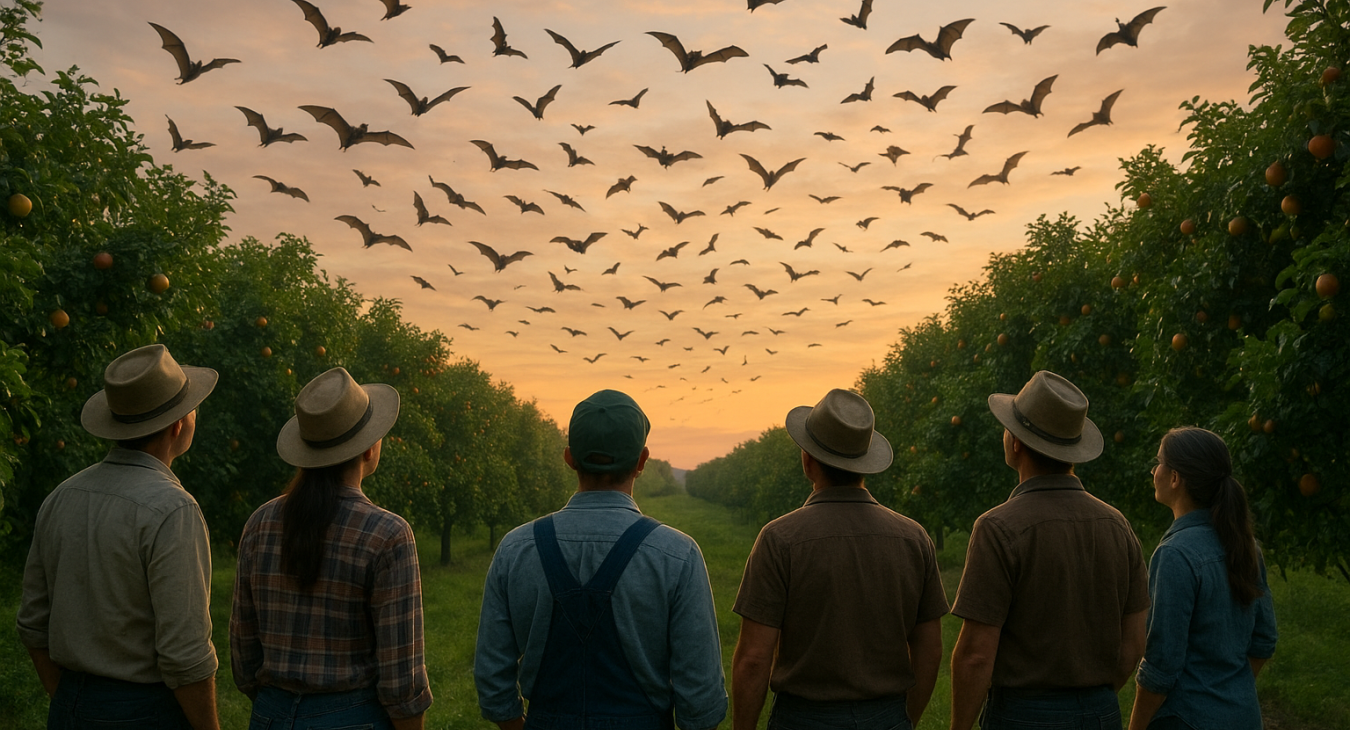
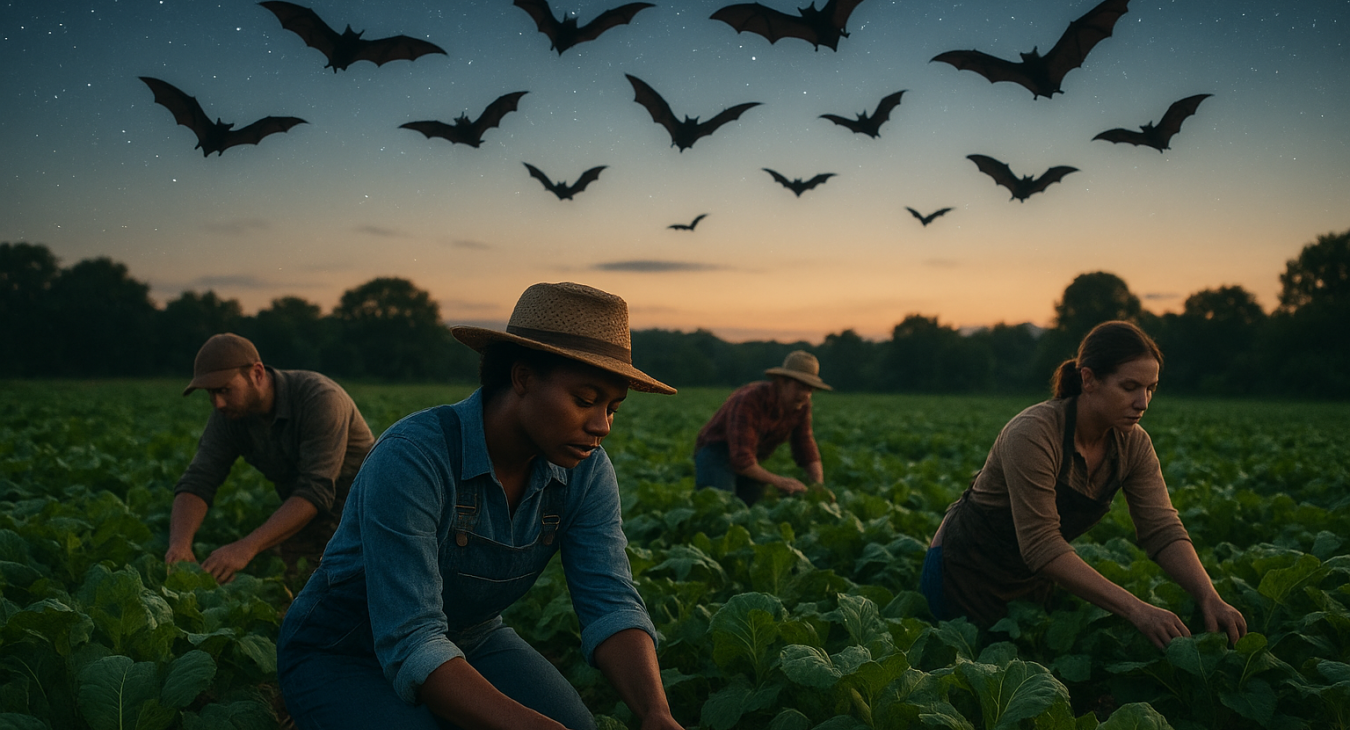
This reduction in insect numbers directly affects bats that rely on them as a primary food source. Many bat species depend on a consistent and seasonal abundance of these insects to sustain themselves, particularly during high energy periods like breeding or migration. When pesticide use causes a sudden decline in insect populations, it creates a nutritional gap in the local ecosystem.
If the timing of pesticide application aligns with the peak emergence of these insects, the seasonal availability of food becomes highly unpredictable. Such disruptions can lead to reduced reproductive success and lower survival rates in bat colonies. Maintaining a stable population of midges and mosquitoes is vital for the dietary health and survival of the bat species that hunt them.