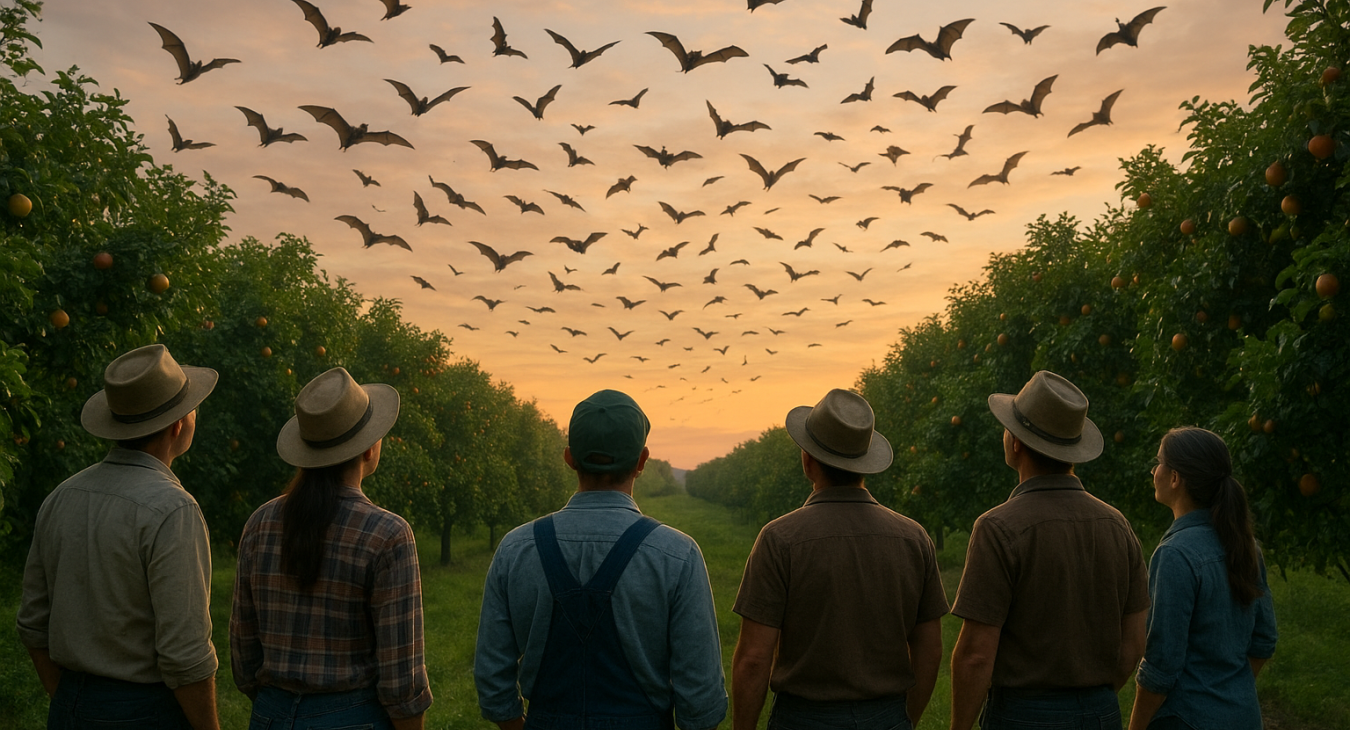
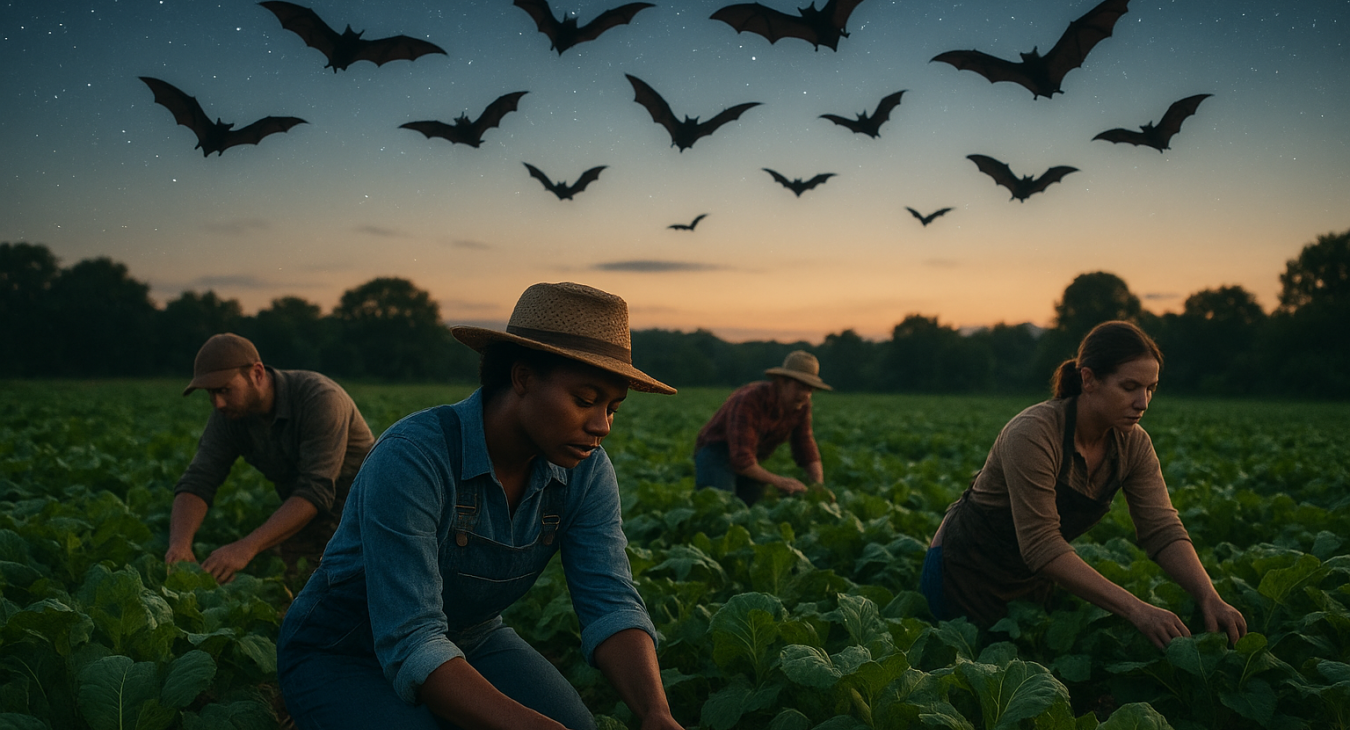
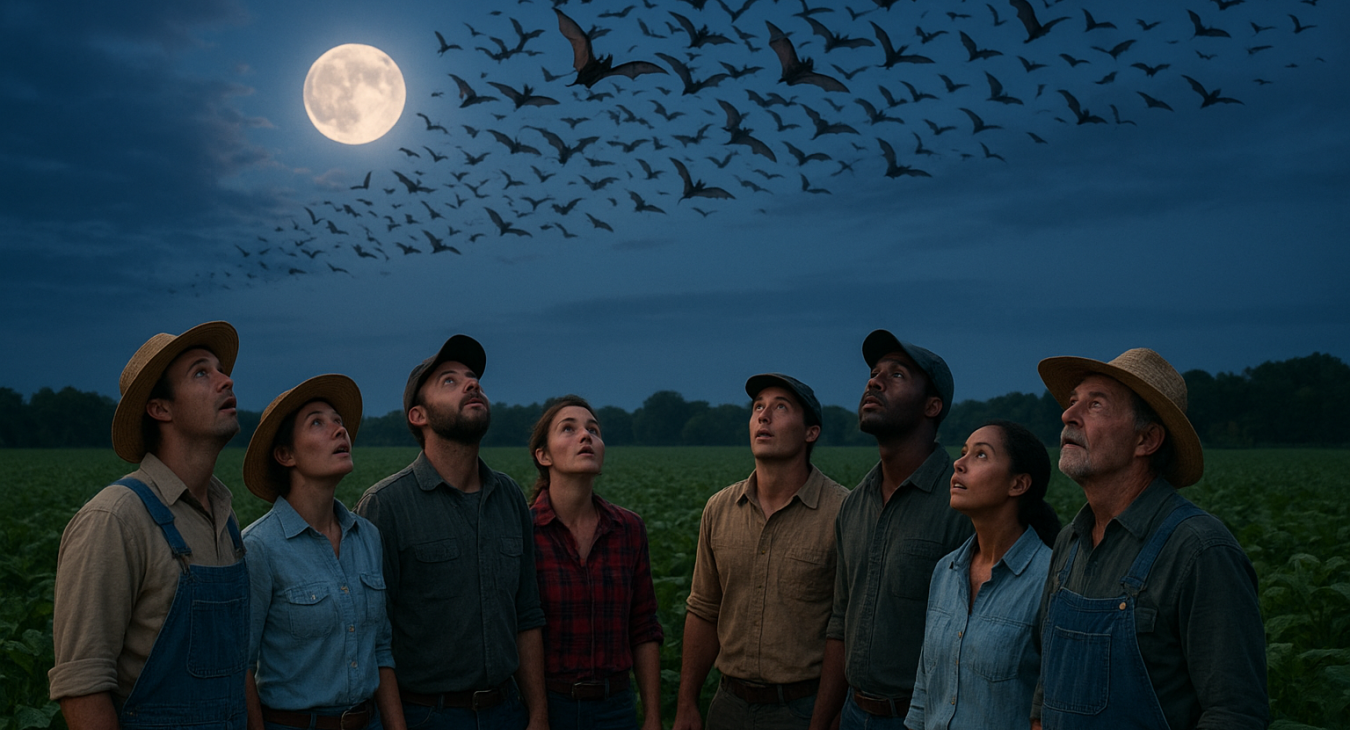
If bat populations were to decline significantly, the ecological balance in Denmark would face major disruptions. Bats act as vital natural pest controllers by consuming vast quantities of nocturnal insects every night. A reduction in these predators would likely lead to a surge in insect populations, particularly moths and various beetle species that are known pests.
For the agricultural sector, this increase in insects could result in substantial crop damage. Farmers might see a reduction in yields as pests consume vital plant material. To combat these rising pest numbers, there would likely be an increased reliance on chemical pesticides. This creates a secondary cycle of problems, including higher costs for farmers and potential negative impacts on soil health and water quality.
Furthermore, the loss of insect diversity can affect other species that rely on those insects for food, creating a ripple effect through the entire ecosystem. Maintaining healthy bat habitats is essential for supporting biodiversity and ensuring sustainable agricultural practices. Protecting these mammals helps regulate insect numbers naturally, reducing the need for artificial interventions and protecting the stability of the food web.