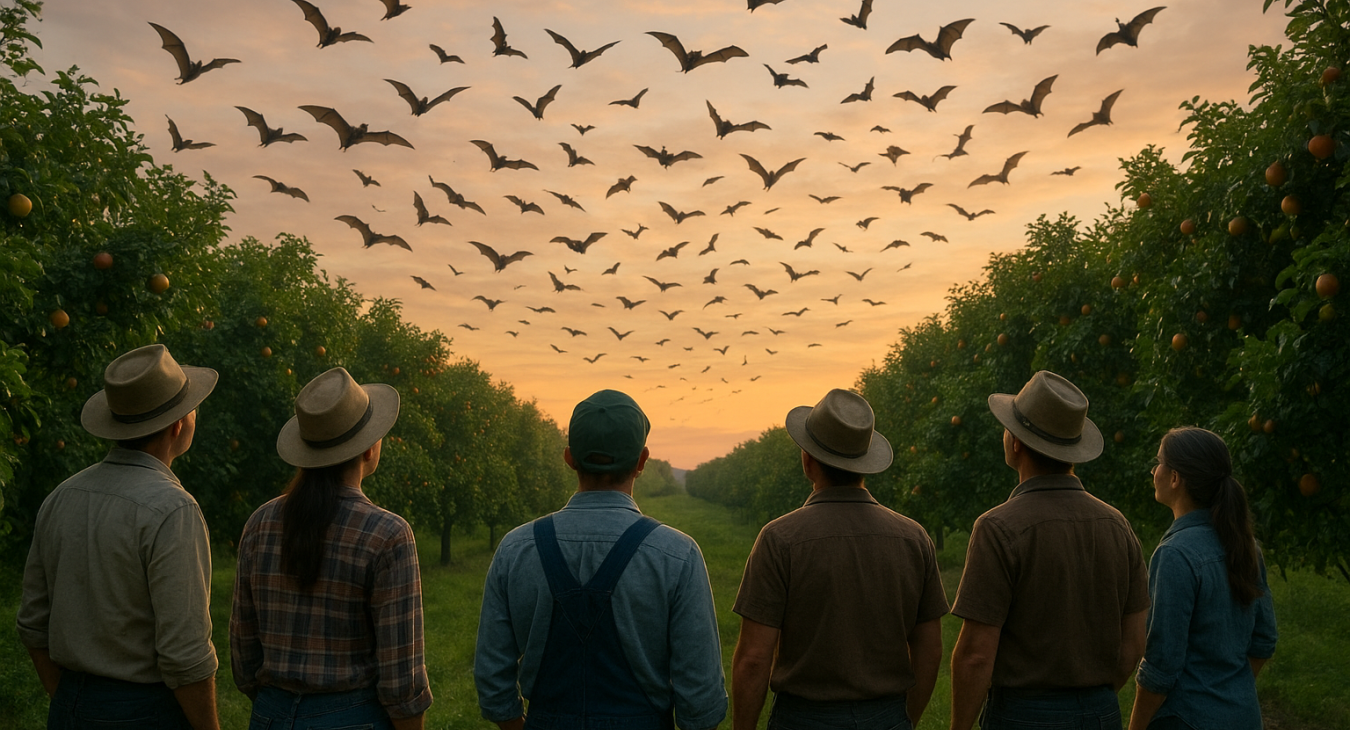
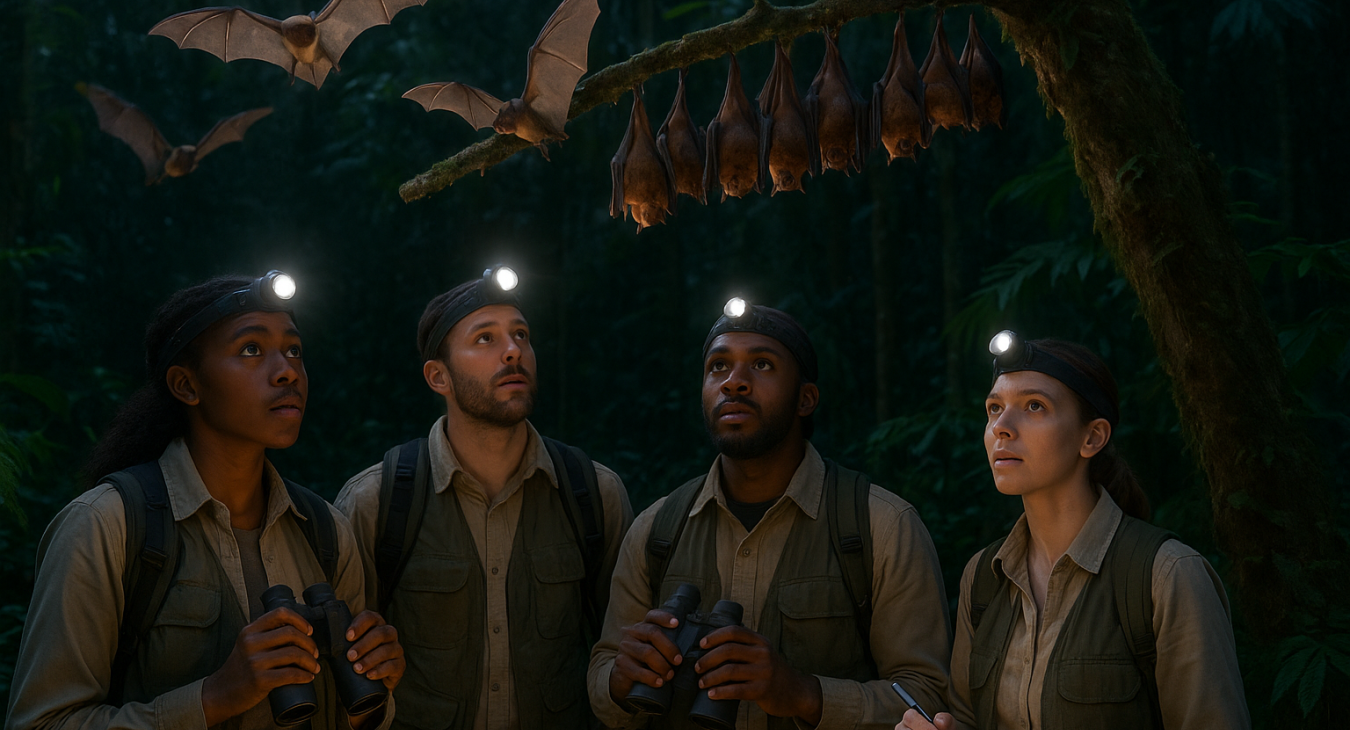
Fungal spores are incredibly small and can remain dormant for long periods. In Denmark, the movement of fungi between isolated cave systems primarily occurs through three main channels: wildlife, water, and human activity. Wildlife, particularly bats, act as significant biological vectors. As animals move between different roosting sites, spores stick to their fur or skin and are subsequently dropped in new locations.
Water transport is another critical mechanism. Rainwater or surface runoff can seep into the ground and travel through narrow limestone fissures that connect different cave parts. This movement of groundwater can carry microscopic spores into previously isolated underground environments, effectively bridging the gap between disconnected systems.
Human activity plays a major role in modern fungal transmission. Spores can easily adhere to the soles of hiking boots, climbing ropes, or even specialized clothing. When explorers visit multiple sites without disinfecting their gear, they inadvertently act as transport mechanisms. To protect fragile cave ecosystems, it is essential for visitors to clean their equipment thoroughly before entering new environments to prevent the spread of potentially harmful fungal species.