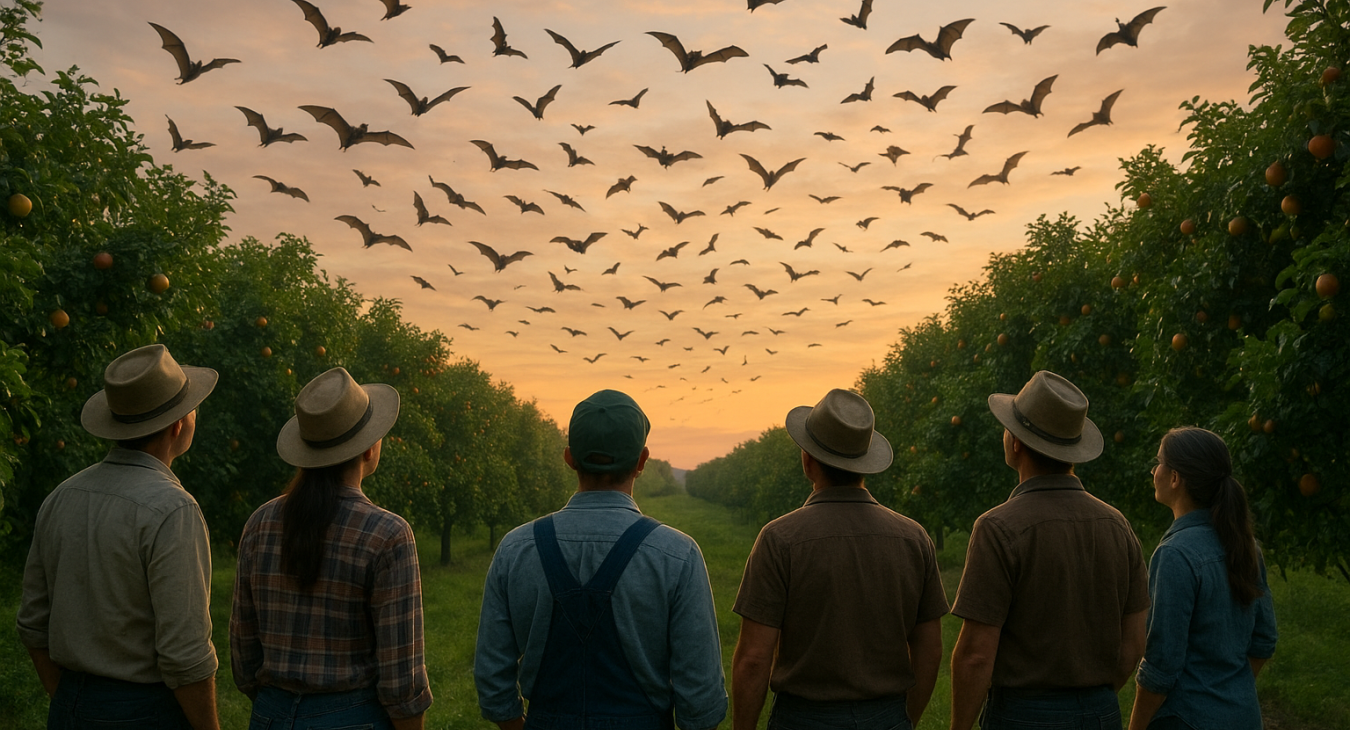
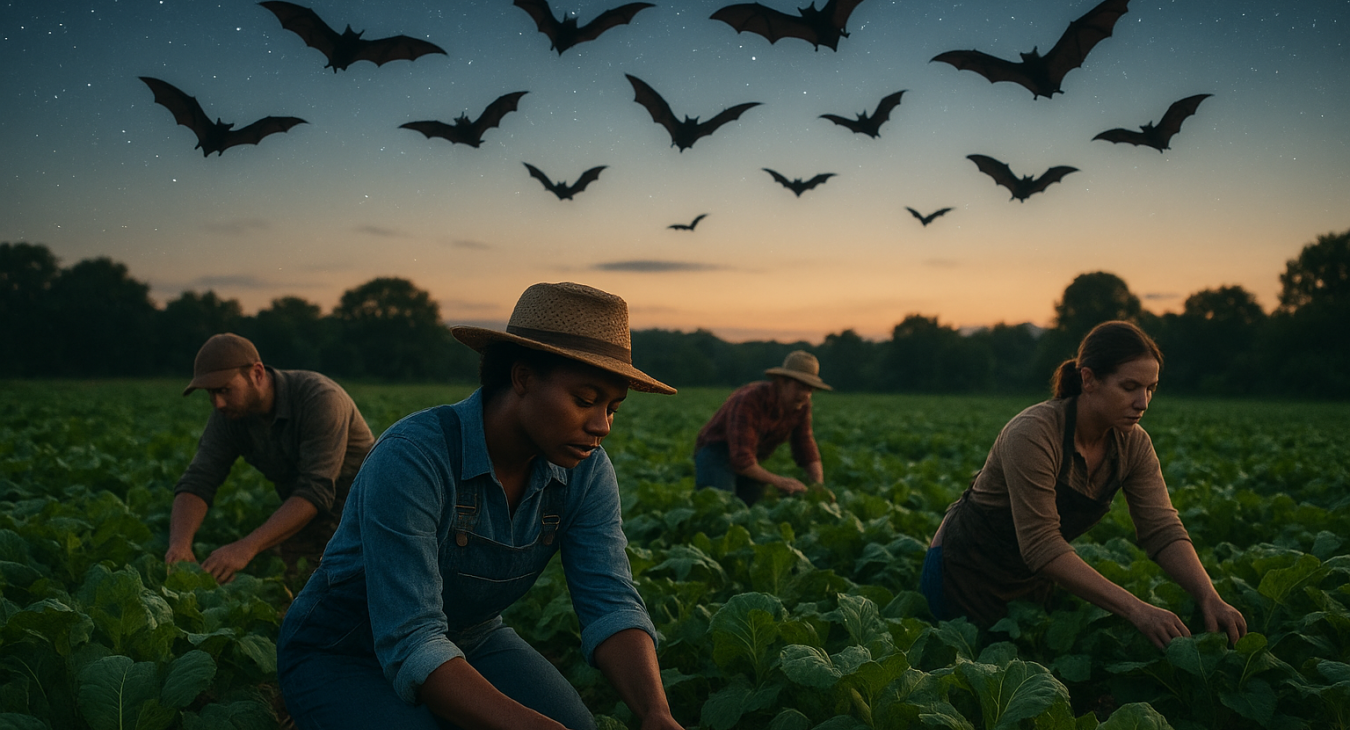
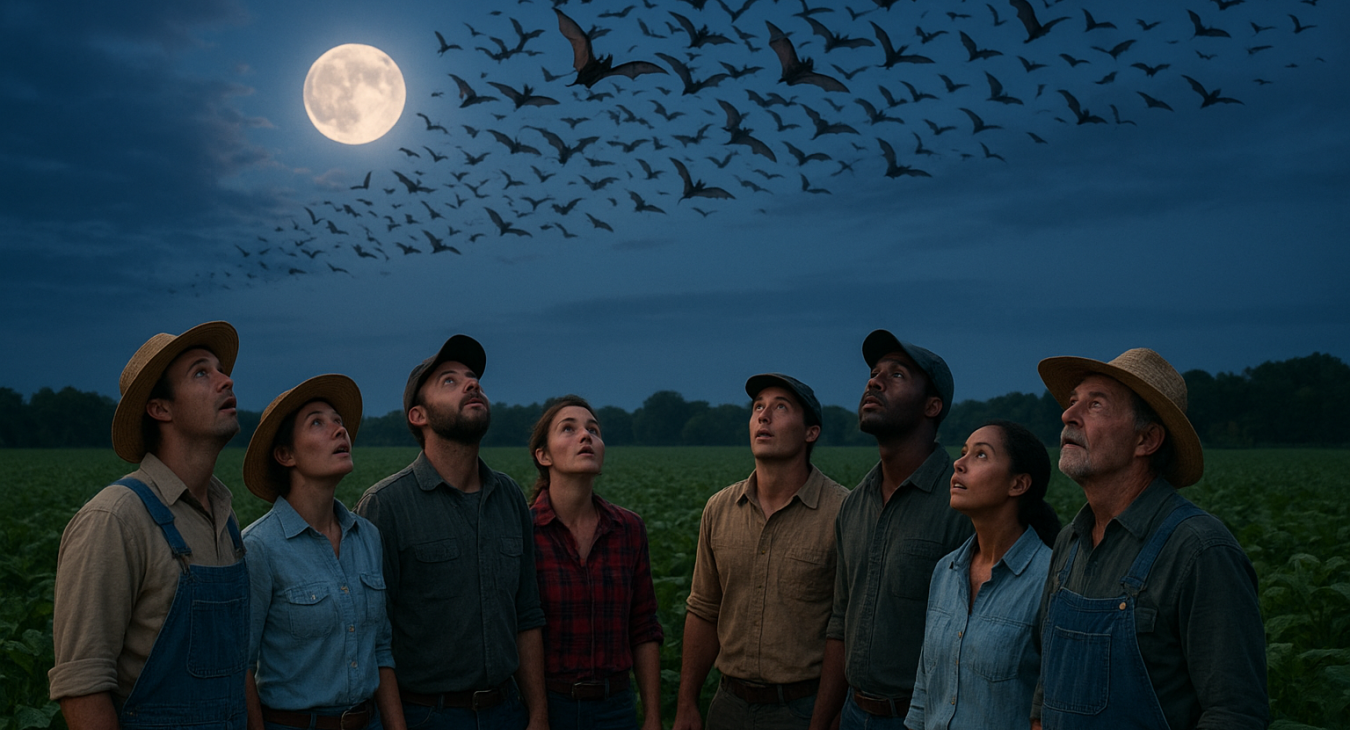
Bats serve as a critical component of natural pest control by consuming vast quantities of insects that damage crops. When bat populations decline, typically due to diseases like White-Nose Syndrome, the natural biological control of these pests is lost. This loss forces farmers to rely more heavily on chemical alternatives to protect their harvests.
Research indicates that the collapse of North American bat populations has led to a significant increase in chemical pesticide application. Specifically, studies show a 31 percent rise in pesticide use as a direct result of fewer insect-eating bats. This shift carries heavy societal consequences. Beyond the economic burden on agriculture, increased pesticide exposure is linked to severe public health issues, including a rise in infant mortality rates and significant societal costs totaling billions of dollars.
While some may consider bat removal or bat control when bats inhabit residential areas, losing these species on a large scale disrupts the ecological balance. Instead of seeking bat extermination, supporting conservation efforts helps maintain natural pest management. By preserving bat habitats, we can reduce the reliance on harmful chemicals and mitigate the associated health and economic risks.