The Importance of Correcting Bat Mythology
Bats are among the most misunderstood mammals on the planet. Because they occupy the skies at night, they have long been the subject of folklore, superstition, and fear. This historical stigma has led to a lack of conservation attention compared to avian species. While many people view them as pests that need immediate bat removal, much of this fear is rooted in myths rather than biological reality. Understanding the actual ecology of Chiroptera, the scientific order containing all bat species, is the first step toward coexistence.
The Myth of Blindness and Echolocation
One of the most persistent myths is that bats are blind. This is factually incorrect. All bats have functioning eyes and can see. While the way they use vision differs from humans, they rely on sight to navigate their environment during various stages of activity. Many species actually have excellent vision, particularly in low light. The misconception likely arises because people focus on echolocation, a biological sonar system used by many species to detect objects in total darkness. While echolocation is a vital survival tool, it does not imply that their visual systems are nonfunctional.
Clarifying Dietary Habits and the Vampire Myth
When many people think of bats, they immediately think of the Dracula-like creatures from popular culture. This has led to the dangerous assumption that all bats seek to feed on human blood. In reality, out of the more than 1,400 known bat species, only three are hematophagous, meaning they feed on blood. These three species are the common vampire bat, the hairy-legged vampire bat, and the white-winged vampire bat. The vast majority of the bat population consists of insectivores or frugivores, meaning they eat insects or fruit. Understanding this distinction is crucial because it reduces the irrational fear that any bat presence in a home poses a direct predatory threat to humans.
Managing Bat Populations in Residential Areas
Despite their ecological benefits, such as controlling insect populations, bats may occasionally seek shelter in man-made structures. When they do, homeowners may feel the urge to seek immediate bat extermination. However, aggressive methods can be counterproductive and often illegal under various wildlife protection laws. Instead of focusing solely on how to get rid of bats through lethal means, it is important to look into humane exclusion methods. Proper bat control involves identifying entry points and using one-way gates that allow the animals to exit the structure but prevent them from re-entering.
The Ecological Role of Bats
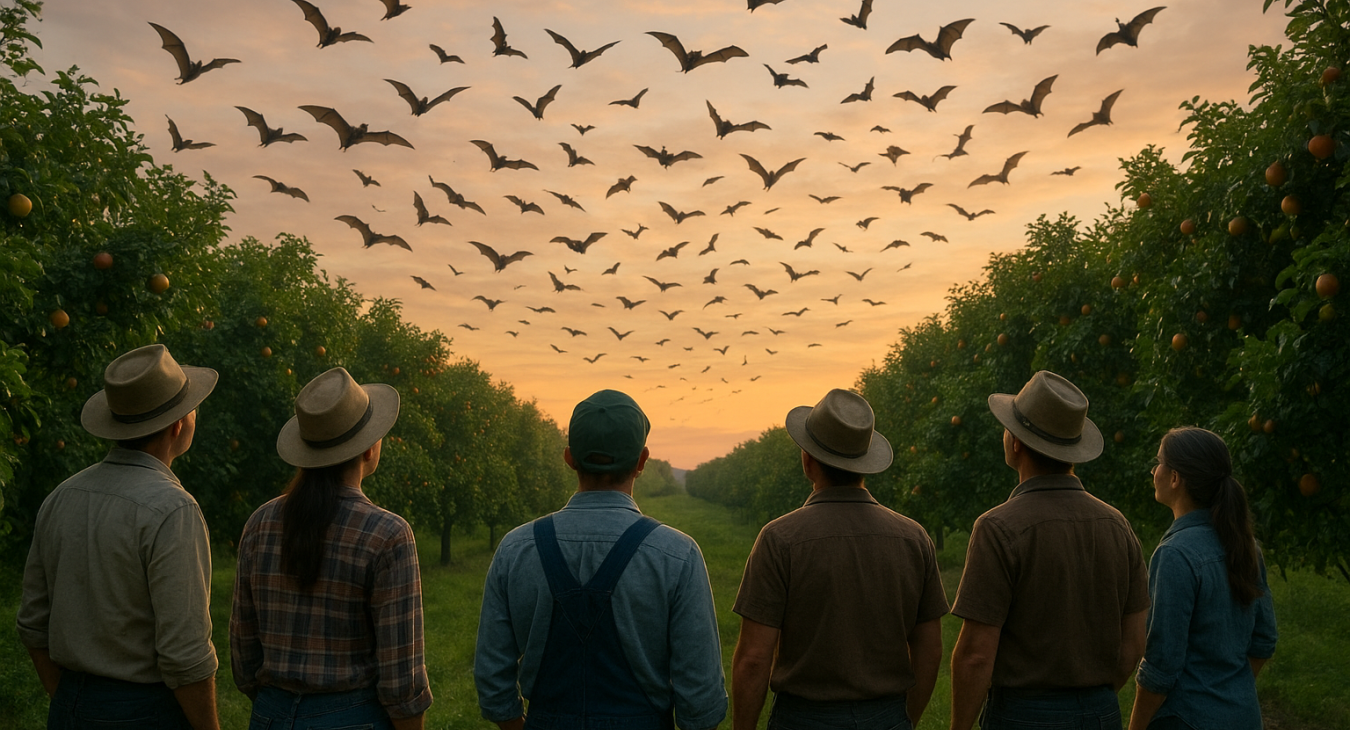
Bats play a vital role in maintaining healthy ecosystems. Many species act as natural pest control by consuming massive quantities of nocturnal insects, including mosquitoes and agricultural pests. Others are essential pollinators or seed dispersers, helping to maintain forest health and even aiding in the cultivation of various crops. Because of these services, conservationists argue that we should move away from the mindset of total bat removal and toward a philosophy of coexistence and management. Protecting these animals helps maintain the delicate balance of our local environments.
Legal Considerations and Safe Practices
Before attempting any form of bat control, it is essential to research local and federal regulations. In many regions, bats are protected species due to their status as an endangered or threatened species in certain habitats. In some cases, there are strict prohibitions against bat extermination during maternity seasons when pups are present. If a colony has moved into a residence, consulting a professional who specializes in humane exclusion is often the safest and most effective route. This ensures that the homeowner complies with wildlife laws while successfully managing the situation without unnecessary harm to the local ecosystem.
Conclusion: Moving Toward Informed Coexistence
The transition from fear to understanding is necessary for the survival of many bat species. By debunking the myths of blindness and universal blood-drinking, we can begin to view these mammals as the ecological assets they truly are. While the practical need for bat control may arise in certain domestic situations, doing so wisely means prioritizing humane methods and recognizing the biological reality of the animals involved. Through education and science-based management, we can better protect these unique creatures and the environments they support.