Introduction to Bat Management and Ecological Value
The presence of bats in or near residential structures often triggers immediate alarm among homeowners. This reaction is frequently driven by deep-seated cultural myths rather than biological realities. When people encounter a bat, the first instinct is often to call for immediate removal or extermination. However, understanding the distinction between humane exclusion and harmful removal is vital for both human safety and ecosystem health. Bats, belonging to the order Chiroptera, play indispensable roles in our natural world that often outweigh the inconvenience of their presence in a home.
Common Misconceptions Regarding Bat Behavior
One of the most pervasive misconceptions is that bats are inherently dangerous or actively seek to attack humans. In reality, bats are generally non-aggressive creatures. While it is true that certain species can carry pathogens such as the rabies virus, the likelihood of a healthy bat attacking a person is extremely low. Most instances of human-bat contact occur when a person attempts to handle a bat without proper protective equipment. Another common myth is that bats are blind. In scientific terms, all bats possess functional eyes and can see quite well, though they rely heavily on echolocation to navigate and hunt in total darkness.
The Role of Bats in Natural Pest Control
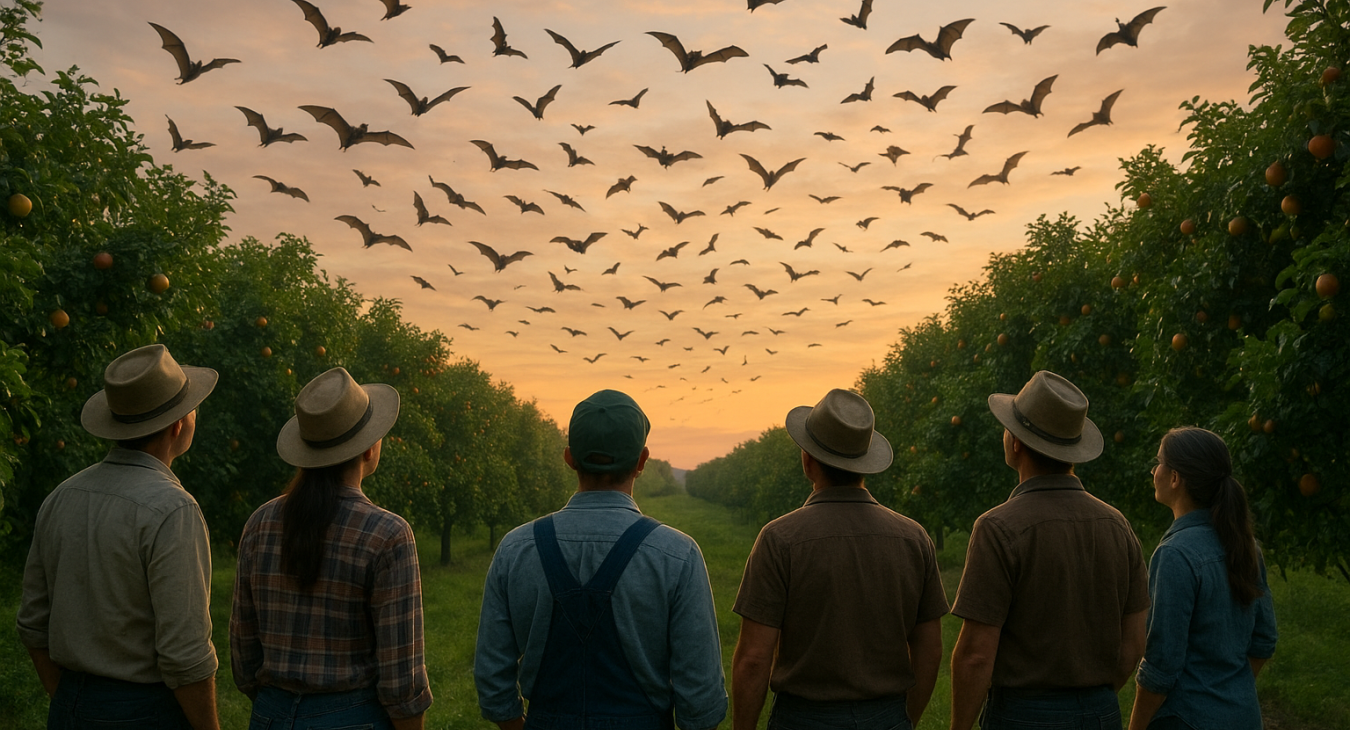
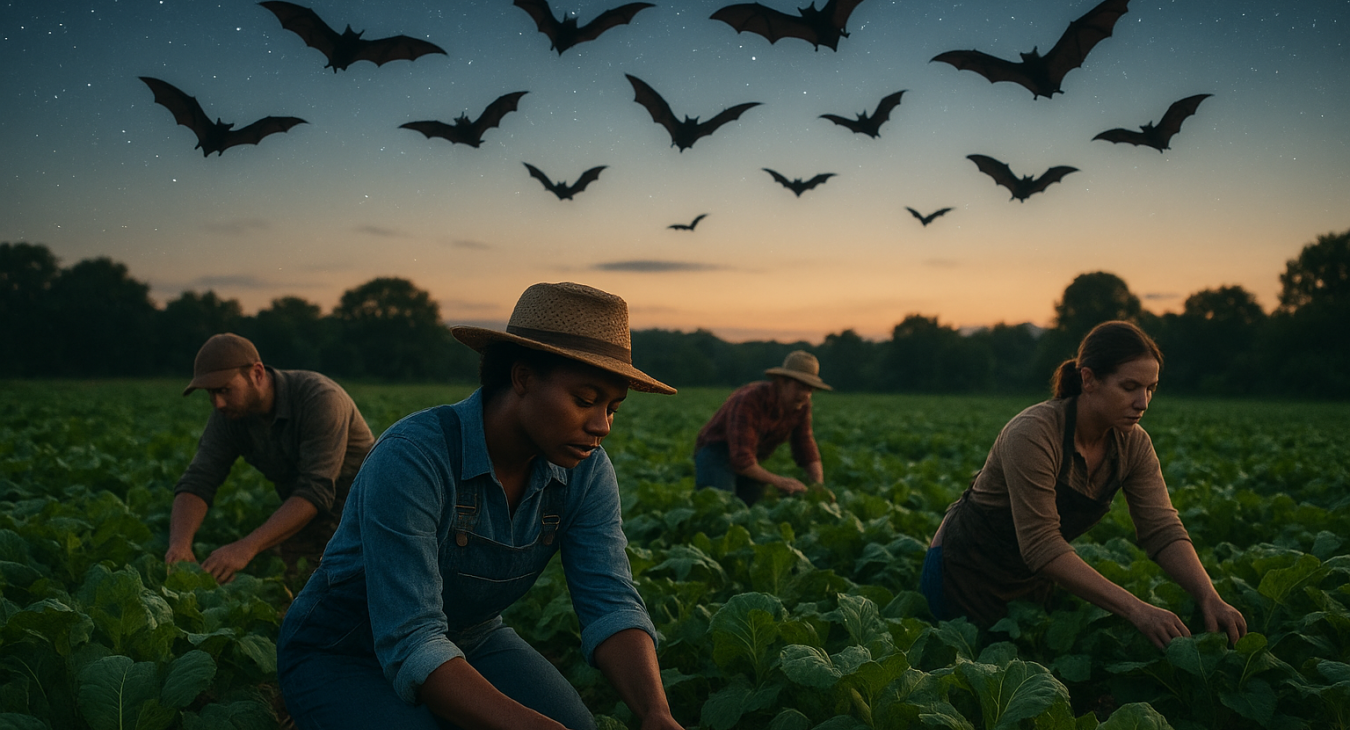
The economic value of bats to the agricultural and residential sectors cannot be overstated. Bats are voracious insectivores that consume massive quantities of insects every night. By feeding on nocturnal pests such as mosquitoes, moths, and beetles, bats act as a form of natural biological control. This reduces the need for chemical pesticides in gardens and farms, which in turn protects the soil and water from toxic runoff. For a single house, the presence of a healthy bat colony can result in the consumption of thousands of insects per night, providing a service that would be costly to replicate through artificial means.
Pollination and Seed Dispersal Services
Beyond insect control, many species of bats are essential contributors to plant reproduction. Through the processes of pollination and seed dispersal, bats ensure the survival of various flora. Some plants, particularly those that bloom at night, rely exclusively on bats for pollination. This symbiotic relationship is a cornerstone of many tropical and temperate ecosystems. Without these nocturnal pollinators, the diversity of our forests and flowering plants would diminish significantly, impacting the entire food web.
The Dangers of Inhumane Removal and Culling
When homeowners opt for traditional extermination or culling methods, they often cause more harm than good. Inhumane methods like trapping or using poisons can lead to the death of the animals and create secondary problems, such as carcasses decaying within walls. Furthermore, culling ignores the ecological void left behind. If a bat colony is removed through lethal means, the insect population in that immediate area may surge, leading to increased pest problems for the residents. Humane management focuses on exclusion, which allows the animals to leave the structure safely without being harmed.
Humane Exclusion: The Ethical Alternative
Ethical bat removal, often referred to as exclusion, is the preferred method for wildlife biologists and conservationists. This process involves identifying the entry points, such as gaps in eaves or vents, and installing one-way valves or exclusion devices. These devices allow the bats to exit the building to forage but prevent them from re-entering. This method ensures that the bats are not trapped inside their roosting site, which would lead to their death and subsequent odors or hygiene issues. Exclusion is a proactive strategy that addresses the root cause of the infestation while respecting the welfare of the species.
Health Risks and Safety Protocols
While it is important to recognize the benefits of bats, it is equally important to manage them with caution. As mentioned, the potential for disease transmission exists if there is direct physical contact. If a bat is found in a bedroom or if a pet has been in contact with a bat, medical professionals should be consulted immediately. When dealing with a bat infestation, homeowners should avoid touching the animals with bare hands. Utilizing gloves and professional guidance is the safest way to handle a situation where bats have established a roost in a living space.
The Importance of Informed Management
Ultimately, the goal of modern wildlife management is to foster a coexistence between humans and nature. Informed management means moving away from fear-based reactions and toward science-based solutions. By understanding the biology of the Chiroptera and recognizing their ecological services, society can move toward a model of conservation that protects both human homes and the biodiversity of the planet. The truth about bat removal is that it should never be about eradication, but about finding safe, humane ways to share our environment with these essential creatures.