Introduction to Climate Adaptation Strategies
As the global climate crisis intensifies, both terrestrial and marine environments face unprecedented pressures from shifting weather patterns and extreme events. For regions like Africa and Wales, where economic stability is deeply intertwined with natural resources, the development and deployment of adaptation technologies are not merely optional but essential for survival. Climate adaptation refers to the process of adjusting ecological, social, or economic systems in response to actual or expected climatic stimuli and their effects. In the context of food security and maritime stability, this requires a multifaceted approach that blends traditional knowledge with cutting-edge digital solutions.
Climate Smart Agriculture in the African Context
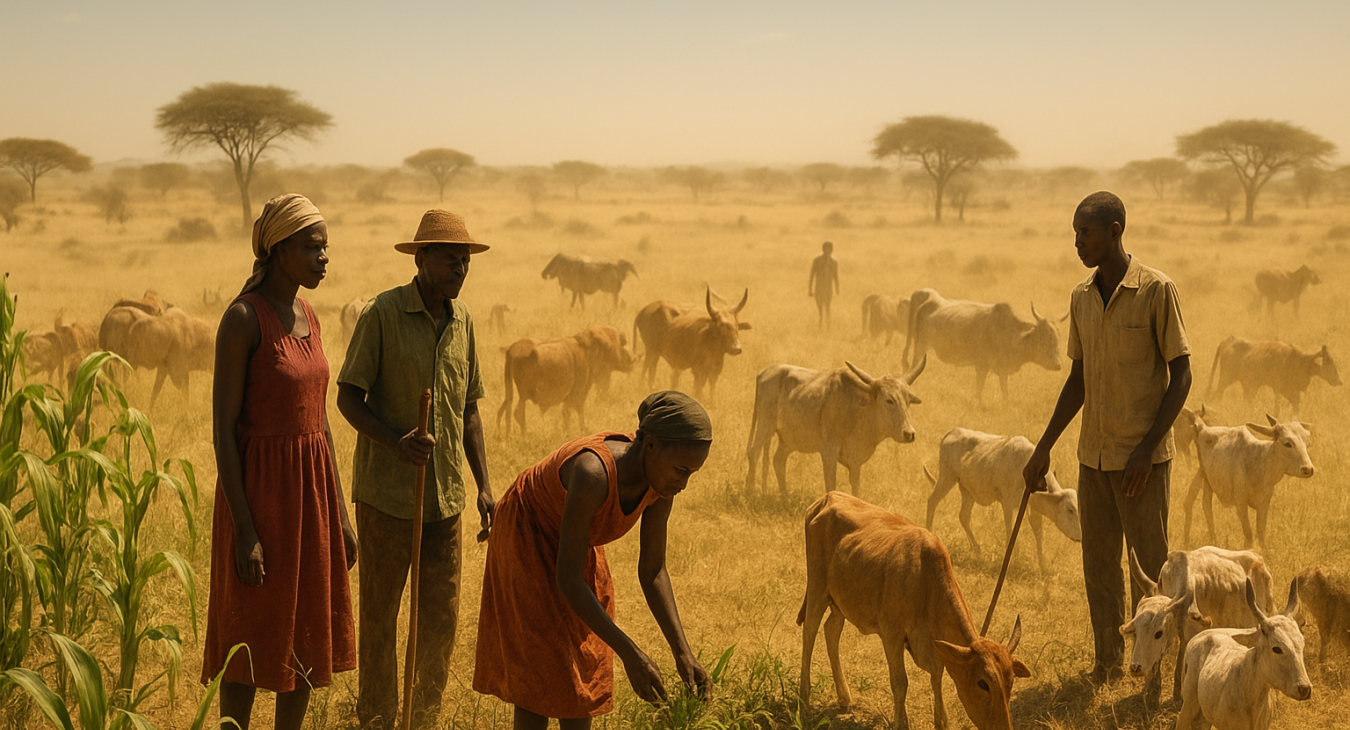
In many parts of sub-Saharan Africa, agriculture remains the primary backbone of the economy and the chief source of livelihood for millions. However, the sector is increasingly vulnerable to unpredictable rainfall, prolonged droughts, and heatwaves. Climate Smart Agriculture (CSA) has emerged as a critical framework to address these challenges. CSA is a holistic approach that aims to increase productivity, enhance resilience, and reduce greenhouse gas emissions. By integrating CSA practices, farmers can better manage soil health, water usage, and crop variety to mitigate the impact of climate variability. The goal is to transform subsistence farming into a more resilient and productive system that can withstand the volatility of a changing atmosphere.
Digital Adaptation Technologies and Food Security
A significant hurdle in the implementation of CSA is the gap between scientific climate data and the actionable intelligence required by smallholder farmers. This is where Climate Smart Digital Adaptation Technologies come into play. These technologies facilitate the mainstreaming of digital climate advisory services. Through mobile applications, satellite imagery, and localized weather forecasting, farmers and livestock keepers can receive real time updates. These advisories are most effective when they are linked to actionable response measures, such as the best timing for sowing, specific fertilizer application rates, or pest management strategies. By leveraging digital tools, the leap from reactive to proactive farming becomes possible, protecting both human livelihoods and the surrounding ecosystem.
The Role of Large Scale Financial Interventions
The scale of adaptation required to ensure global food security is immense. The Africa Adaptation Acceleration Program (AAAP), spearheaded by the Global Center on Adaptation (GCA), represents a major strategic effort to mobilize the necessary capital. This program aims to influence over $10 billion in climate adaptation efforts across the continent. By focusing on mainstreaming digital climate advisory services and scaling up adaptation solutions, the AAAP seeks to provide a financial safety net and a technological roadmap for agricultural communities. Such large scale mobilization is vital to ensure that the most vulnerable populations are not left behind as the technological landscape of agriculture evolves.
Maritime Livelihoods and Coastal Resilience
While much of the current focus in Africa is on terrestrial agriculture, maritime livelihoods represent another critical pillar of economic security that requires urgent adaptation attention. Coastal communities in Africa, much like those in Wales, rely on healthy marine ecosystems for protein and income. Rising sea levels and ocean acidification pose direct threats to fisheries and coastal infrastructure. Adaptation in the maritime sector involves developing resilient aquaculture practices, improving early warning systems for storm surges, and protecting coastal mangroves which act as natural buffers. Ensuring the sustainability of the Blue Economy—the sustainable use of ocean resources for economic growth—is a global priority that necessitates specialized technological interventions.
Lessons from Wales: A Comparison of Adaptation Needs
Wales provides a unique perspective on adaptation, particularly regarding the intersection of maritime and land based vulnerabilities. In Wales, the management of water resources and the protection of coastal assets are paramount due to the increasing frequency of heavy rainfall and storm surges. While the technological focus in Wales might emphasize sophisticated hydrological modeling and flood defense engineering, the underlying objective remains identical to that of Africa: building resilience against climate variability. Comparing these two regions highlights that while the specific tools might differ—ranging from digital drought advisories in Africa to sophisticated flood modeling in Wales—the necessity for integrated, technology driven adaptation strategies is a universal requirement for modern societies.
Challenges to Technology Adoption
Despite the clear benefits, the adoption of climate smart technologies faces several significant barriers. In sub-Saharan Africa, challenges such as limited digital connectivity, high costs of advanced equipment, and a lack of formal training can impede the widespread use of CSA. Furthermore, land tenure issues and limited access to credit can prevent smallholder farmers from investing in long term adaptation measures. In Wales, the challenges may lie in the integration of complex data sets from various governmental and environmental agencies to create unified response strategies. Understanding these barriers is essential for policymakers who seek to implement successful, large scale adaptation programs.
Future Directions for Global Resilience
Moving forward, the integration of satellite technology, Artificial Intelligence (AI), and the Internet of Things (IoT) will be crucial in advancing climate adaptation. For agriculture, this means precision farming where every drop of water is accounted for and every seed has the best chance of thriving. For maritime industries, it means real time monitoring of ocean health and fish stocks to ensure sustainable harvesting. The convergence of digital innovation and ecological science holds the key to securing the livelihoods of those who depend most on the earth and the sea. By fostering international cooperation and significant financial investment, the global community can move toward a future where climate change no longer dictates the limits of human prosperity.
Conclusion
The journey toward climate resilience is both a technological and a social endeavor. Whether through the implementation of Climate Smart Agriculture in Africa or the strengthening of coastal defenses and maritime management in Wales, the objective remains the same: to protect the most vulnerable and to ensure the sustainability of our food and water systems. Through digital adaptation, strategic financial mobilization like the AAAP, and a commitment to innovation, humanity can build the tools necessary to thrive in an era of environmental uncertainty.