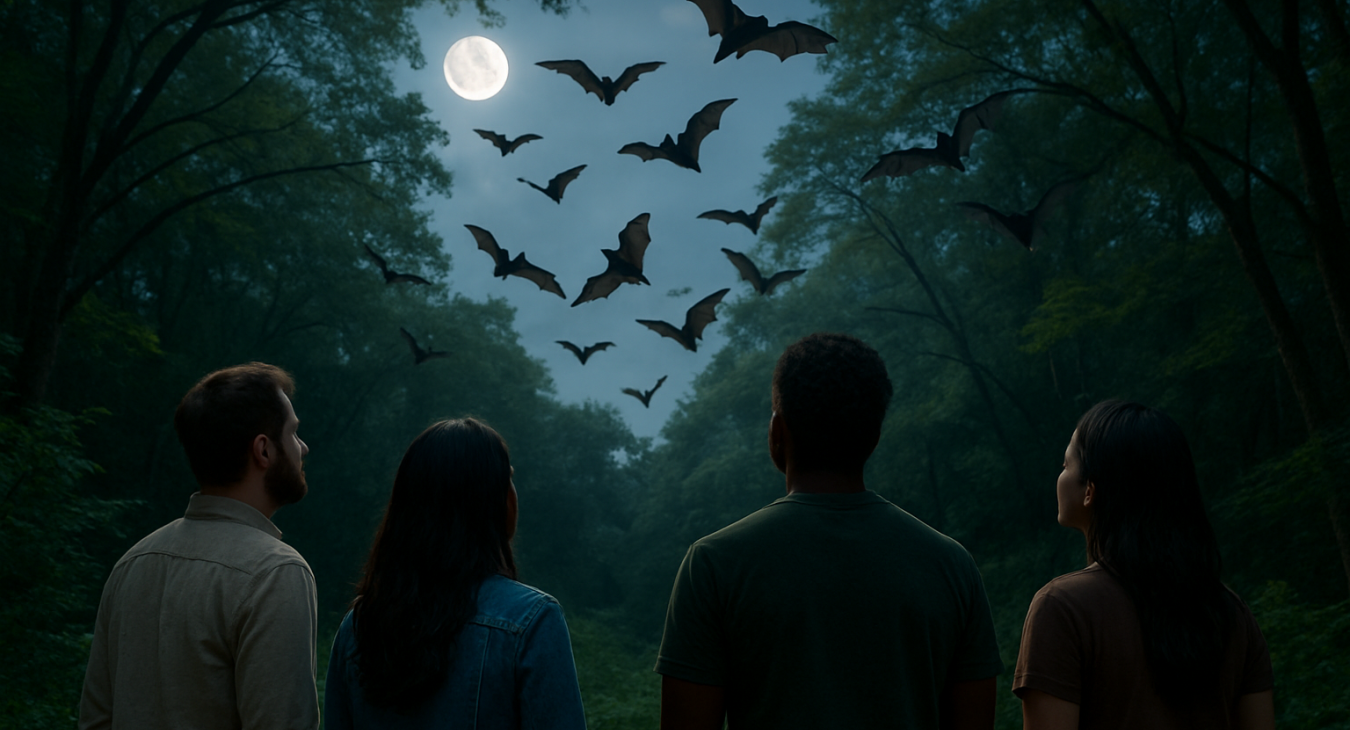
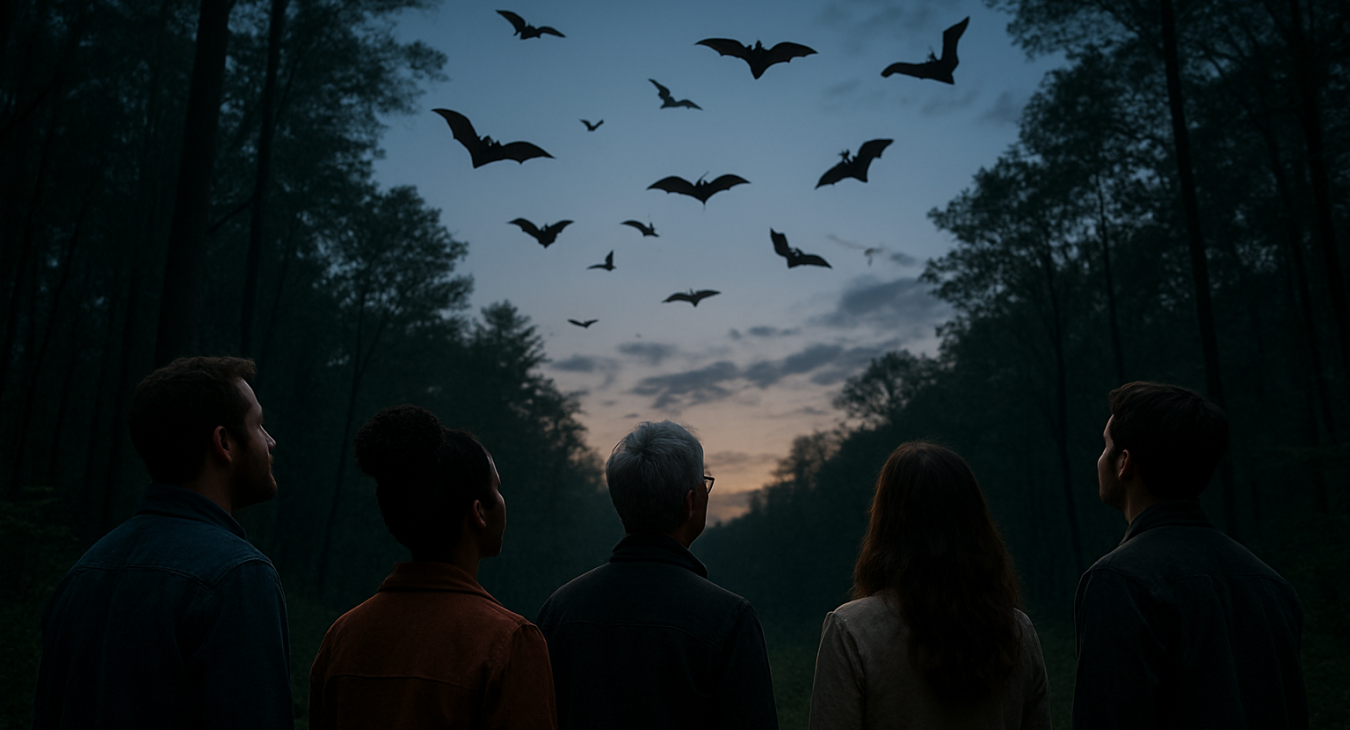
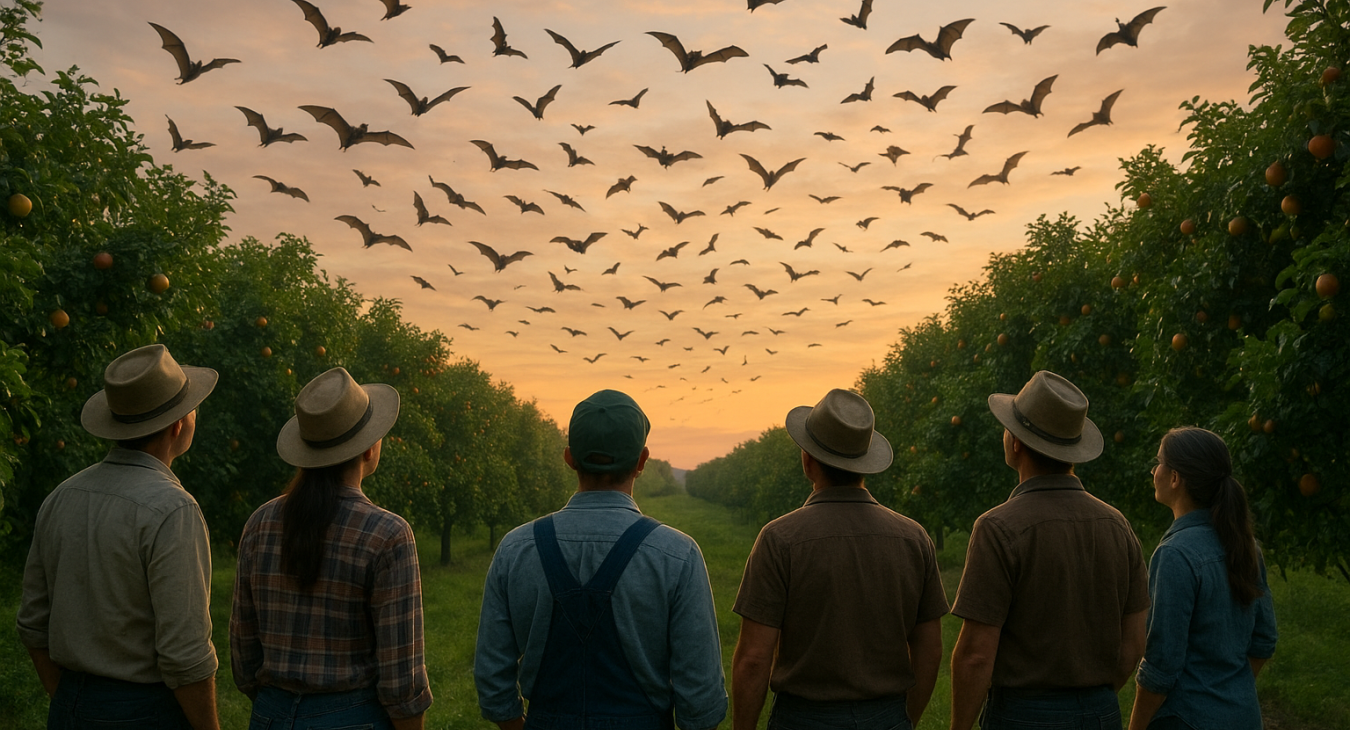
When bat populations decline significantly, the natural checks and balances in an ecosystem are disrupted. Bats are vital predators that consume massive quantities of nocturnal insects every night. Without this predation pressure, certain insect species can experience rapid population growth, often referred to as an insect outbreak.
This imbalance can trigger a cascade of negative ecological effects. First, an explosion in herbivorous insects can lead to excessive defoliation of plants and trees. This reduces the primary productivity of the habitat and can alter the vegetation structure, which affects other wildlife that rely on those specific plants for food or shelter.
Second, many insects that increase in number are agricultural pests or disease vectors. An increase in these populations can lead to significant crop damage, impacting food security and increasing the need for chemical pesticides. Furthermore, an overabundance of certain insects can disrupt the food web for other insectivorous animals, such as birds, potentially creating further instability in the local biological balance.
In summary, the loss of bats removes a critical regulatory mechanism, potentially leading to plant degradation, increased pest outbreaks, and a less resilient ecosystem.