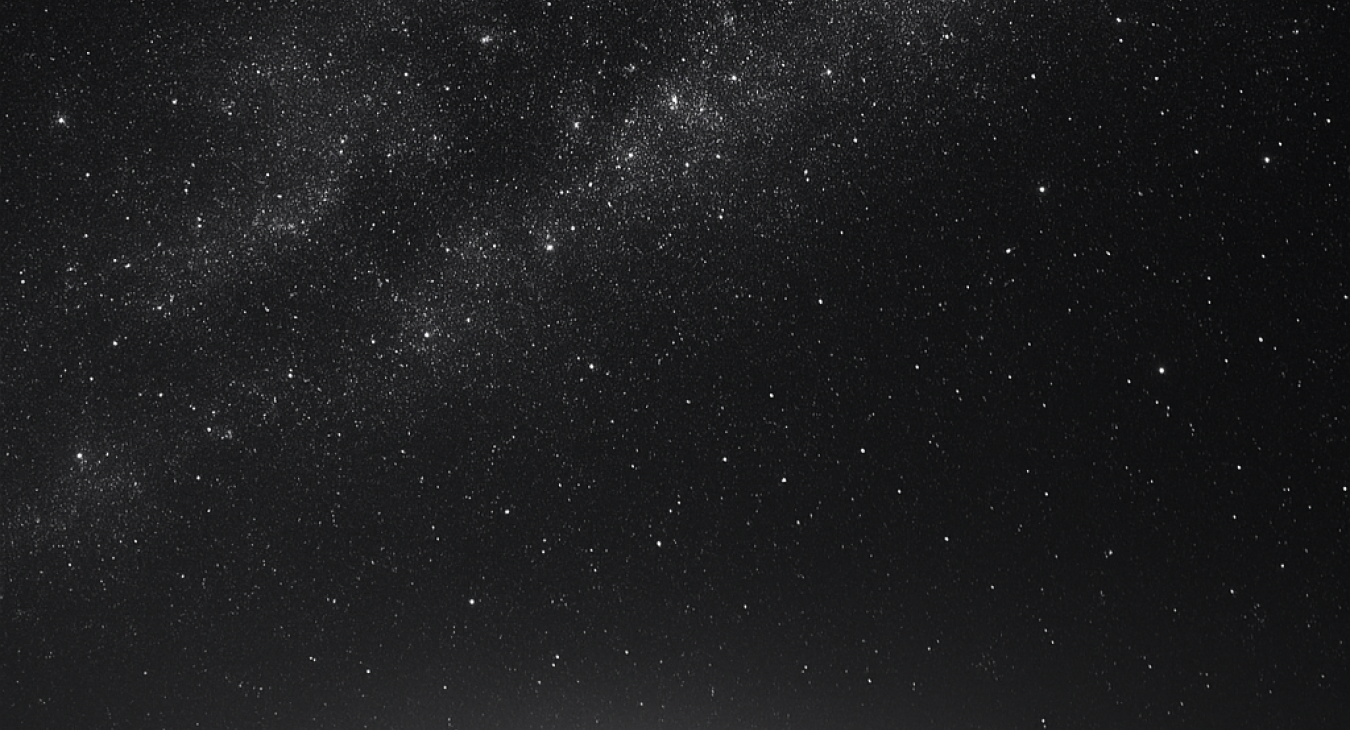
Skyglow disrupts the biological rhythms that have governed life for eons. For migratory birds, the problem is often orientation. Many species rely on the stars or the moon to navigate during long-distance flights. Artificial light from cities creates a luminous haze that washes out these celestial cues. This confusion leads to disorientation; birds may fly in circles or crash into illuminated buildings, causing mass mortality events during peak seasons.
Reproduction suffers as well. Many animals use the darkness to time their breeding seasons. For example, certain amphibians and insects rely on specific light intensities to trigger mating behaviors. When skyglow keeps the environment artificially bright, these signals fail. Females may not produce eggs at the right time, or males may struggle to find mates in the glare.
The consequences ripple through the food web. When a predator's hunting window shifts due to constant light, prey species lose their ability to hide. This imbalance can cause local populations to crash over several generations. We are essentially rewriting the rules of survival, making the night look more like a dim day. This persistent change prevents animals from following their ancient, innate instincts.