
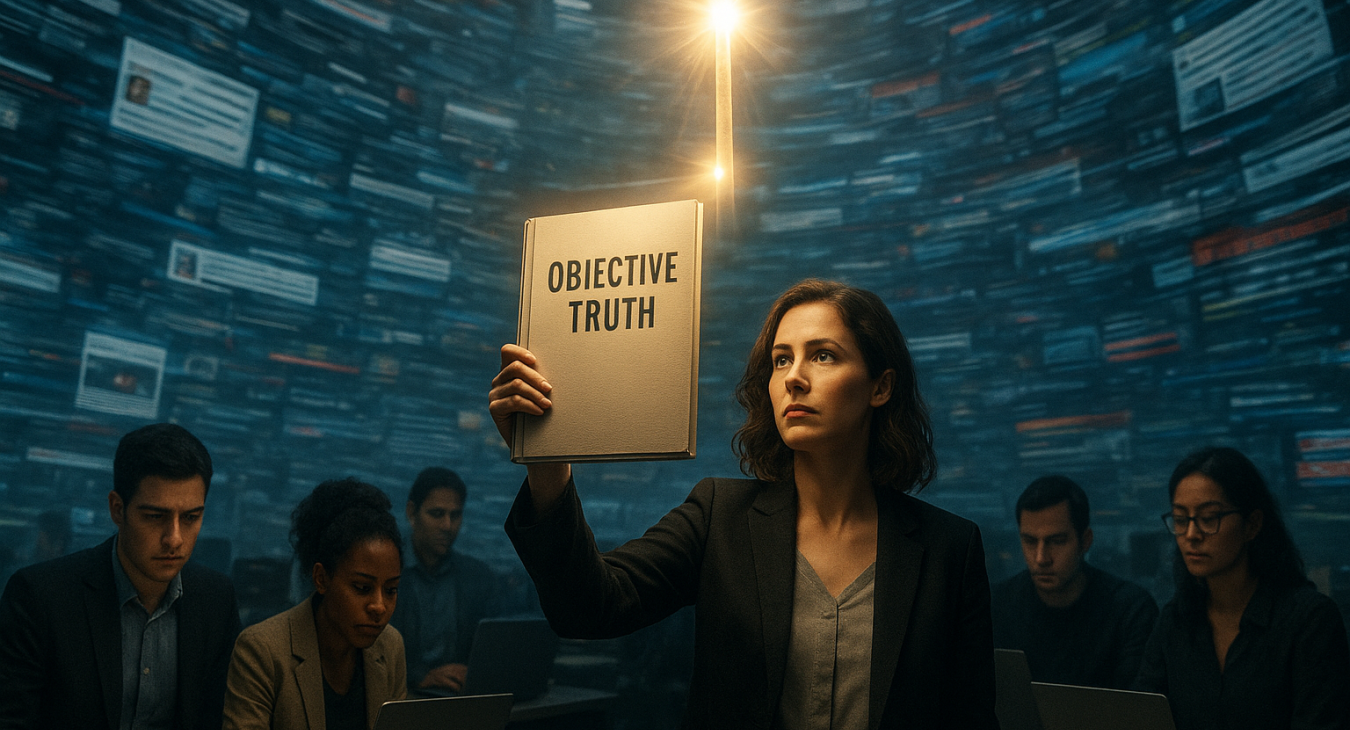
In an era of information overload, the ability to discern objective truth from biased reporting is a critical skill for every modern citizen. Media bias can subtly influence public opinion and shape perceptions of reality without people even realizing it. Understanding how to identify these biases allows individuals to consume news more critically and make informed decisions.
Identify Content Types
The first step in detecting media bias is identifying whether the content you are reading or watching is presented as objective news, opinion pieces, or advertisements. News reports aim to provide facts about events while opinion articles express a specific viewpoint on those events. Advertisements are designed to persuade people into buying products or services and may use biased language to achieve their goals.
Evaluate Emotional Appeals
Media bias often relies on emotional appeals like anger or outrage to influence readers. When content uses loaded words or sensationalist headlines, it is likely trying to evoke a specific reaction rather than provide balanced information. Recognizing these emotional triggers can help people identify biased reporting and maintain an objective perspective.
Verify Source Credibility
Verifying the credibility of sources is essential for detecting media bias. People should check whether the source has scholarly expertise in a specific field or potential associations with political parties or special interest groups. Understanding who funds a news organization can also provide insights into its potential biases and influence on reporting.
Use Bias Tracking Tools
Several tools are available to help people identify and understand media bias. For example, Biasly provides insights into the political leanings of U.S. politicians, journalists, and media outlets using expert analysis and AI-driven systems. Users can search for individual politicians' bias scores, policy positions, and media coverage to compare portrayals over time.
Consult Media Watchdogs
Organizations like AllSides provide resources for people to identify and understand media bias. FAIR is a national progressive media watchdog group that has challenged corporate media bias since 1986. These organizations offer valuable perspectives on how different news outlets may be biased toward certain political viewpoints.
Understand Cognitive Biases
Cognitive biases influence how people perceive news and make them susceptible to fake news. While accusations of political bias are common, journalists follow professional codes of ethics to maintain objective reporting. Understanding these biases can help individuals recognize their own predispositions and develop a more balanced view of the world.



