
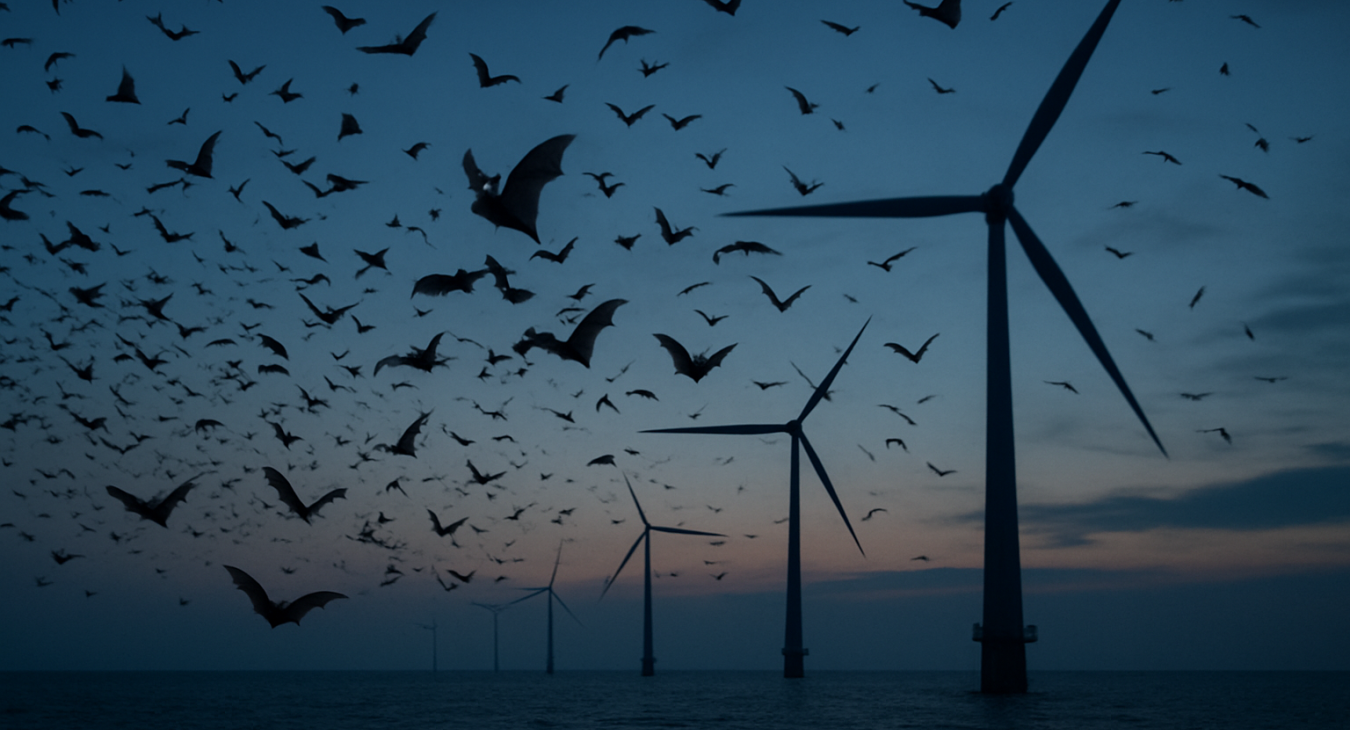
The Anholt Offshore Wind Farm, a significant contributor to Denmark's renewable energy goals, has unfortunately presented an unforeseen challenge: its potential impact on bat populations. While wind farms are vital for reducing reliance on fossil fuels and combating climate change, their presence can pose considerable risks to wildlife, particularly bats, which are increasingly recognized as vulnerable to these structures.
Understanding the Threat
Bats, nocturnal mammals known for their echolocation abilities, often migrate long distances. Their flight patterns and foraging habits bring them into conflict with rotating wind turbine blades. The sheer size of modern turbines, coupled with their relatively slow rotational speed (from a bat’s perspective), can make collision detection difficult, leading to fatal injuries.
Why Anholt?
The Anholt Offshore Wind Farm, located approximately 23 kilometers off the Danish coast, was commissioned in 2013. Its location, while strategically chosen for wind resources, places it within a potential flight corridor used by various bat species inhabiting Denmark and surrounding regions. While the initial environmental impact assessments considered avian life, the understanding of bat behavior and their interaction with offshore structures has evolved considerably since then.
Research and Assessments
Aarhus University’s Department of Ecoscience played a key role in assessing the potential ecological impacts associated with the Anholt wind farm. Their expertise encompassed various areas, including bat populations, marine mammal behavior, bird interactions, underwater noise pollution, and hydrodynamic effects. These assessments aimed to minimize disturbance and mitigate any negative consequences for local wildlife.
International Studies Offer Insights
The concerns surrounding bats and offshore wind farms aren't unique to Denmark. Researchers from the Bat Conservation Trust, University of the West of England, and University of Stirling in the United Kingdom have conducted extensive studies exploring the effects of offshore wind farms on bat populations. These investigations highlight several factors contributing to bat mortality, including turbine blade design, operational patterns (particularly nighttime operation), and environmental conditions influencing bat flight behavior.
Specific Challenges with Offshore Wind Farms
Offshore wind farms present unique challenges compared to their land-based counterparts. The open water environment can attract insects, a primary food source for bats, drawing them closer to the turbines. Furthermore, navigational cues used by bats may be disrupted by the presence of these massive structures and surrounding infrastructure.
Mitigation Strategies and Future Considerations
Addressing the issue requires a multi-faceted approach. Current research focuses on developing mitigation strategies such as: curtailment (temporarily stopping turbine operation during peak bat activity), adjusting blade design to enhance visibility for bats, and deploying acoustic deterrents to steer bats away from turbines. Further investigations are needed to understand how different operational modes affect bat behavior around Anholt and other offshore wind farms.
Contact Information & Further Reading
For further information regarding environmental assessments and wildlife protection measures related to Danish wind energy projects, you can contact the Danish Energy Agency. You may also find relevant details on Aarhus University’s Department of Ecoscience website. While a direct phone number or email address isn't readily available for Anholt Offshore Wind Farm specifically, general inquiries about renewable energy initiatives in Denmark can be directed through the Danish Energy Agency website.
Conclusion
The interaction between the Anholt Offshore Wind Farm and bat populations underscores the critical need for ongoing research, adaptive management strategies, and a proactive approach to minimizing ecological impacts as Denmark continues its transition towards renewable energy sources. Protecting these vital creatures while pursuing clean energy remains a complex but crucial endeavor.