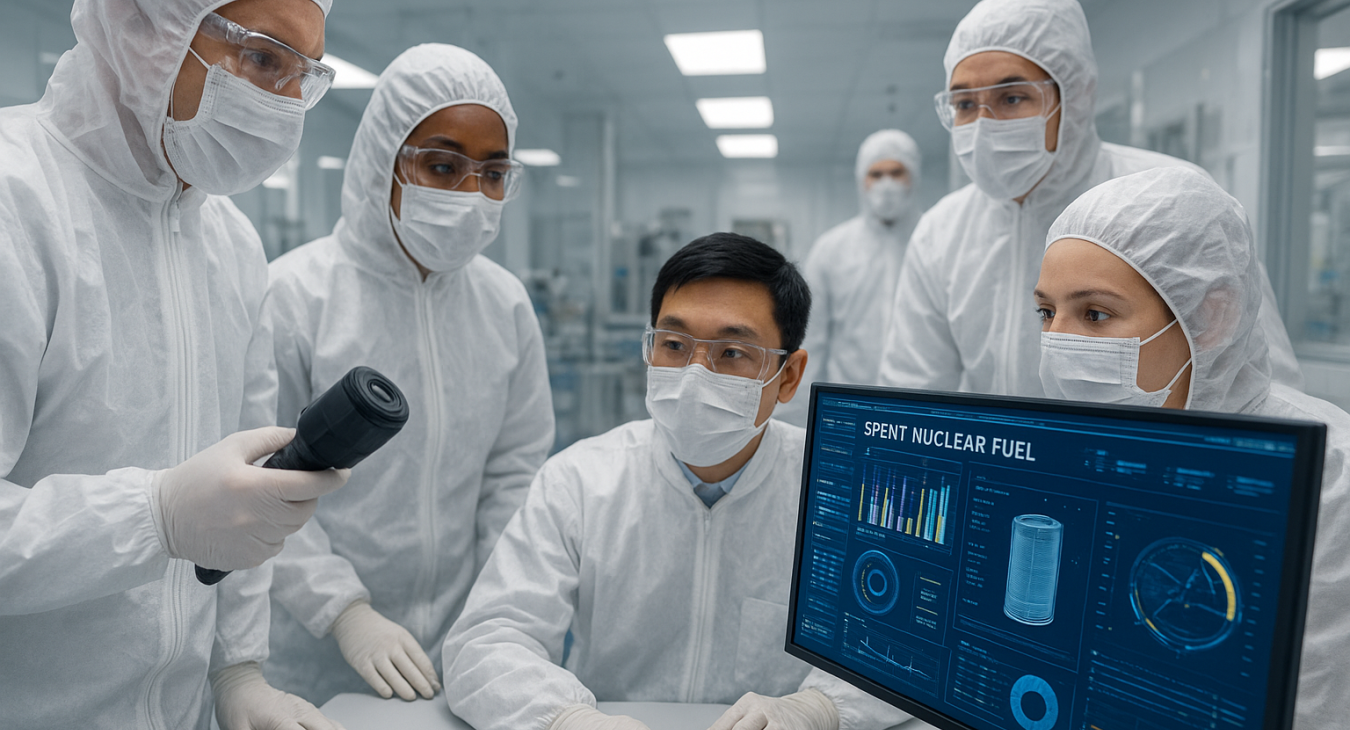
The global community faces an unprecedented challenge in the management of spent nuclear fuel and high-level radioactive waste. While nuclear energy provides a significant portion of the world's electricity, the byproduct remains hazardous for thousands of years. The quest to find a permanent, safe solution for this material has become one of the most complex engineering and environmental problems of our time.
The Challenge of High-Level Waste
High-level waste consists primarily of spent nuclear fuel rods that have been used in reactors. These materials are highly radioactive and generate significant heat, requiring specialized handling and storage protocols. For instance, vitrified high-level waste packages can exhibit surface dose rates as high as 500 Sv/h after only 40 years of storage. Such extreme radiation levels necessitate the use of remote handling systems to protect workers from exposure.
Geological Repository Solutions
One potential solution involves deep geological repositories, which are facilities designed to store waste in stable rock formations far below the surface. Finland has made significant progress in this area by developing a plan to bury its nuclear waste 430 metres underground. This approach aims to isolate the material from the biosphere for thousands of years.
Near Surface Disposal and Long-Term Monitoring
Alternative strategies include near surface disposal, which involves placing waste in large warehouses or structures buried just below ground level. Scotland's Higher Activity Waste strategy includes a "Near Site Near Surface" option for certain types of waste. However, this method requires an ongoing presence to prevent public intrusion for approximately 1000 years, making it less permanent than deep geological storage.
Technological Advancements and Simulation
Researchers are exploring various technologies to improve waste management. For example, a methodology using virtual reality was developed to create a virtual radioactive waste deposit for simulation purposes. This allows scientists to test different disposal methods in a safe environment before implementing them in the real world.
Research and Development Efforts
The U.S. Department of Energy is actively working on reducing waste volume and finding long-term storage solutions. Oak Ridge National Laboratory researchers are studying methods to dispose of nuclear waste using a received fuel canister as part of this effort. These ongoing research initiatives are crucial for developing the infrastructure needed to manage radioactive waste safely.
The Need for Deep Geological Repositories
There is a clear need to develop deep geological repositories for radioactive waste regardless of future nuclear power usage. The long-term safety and security of these facilities are paramount, as they must withstand environmental changes and human activity over millennia. Developing these repositories requires international cooperation and significant investment in research and development.