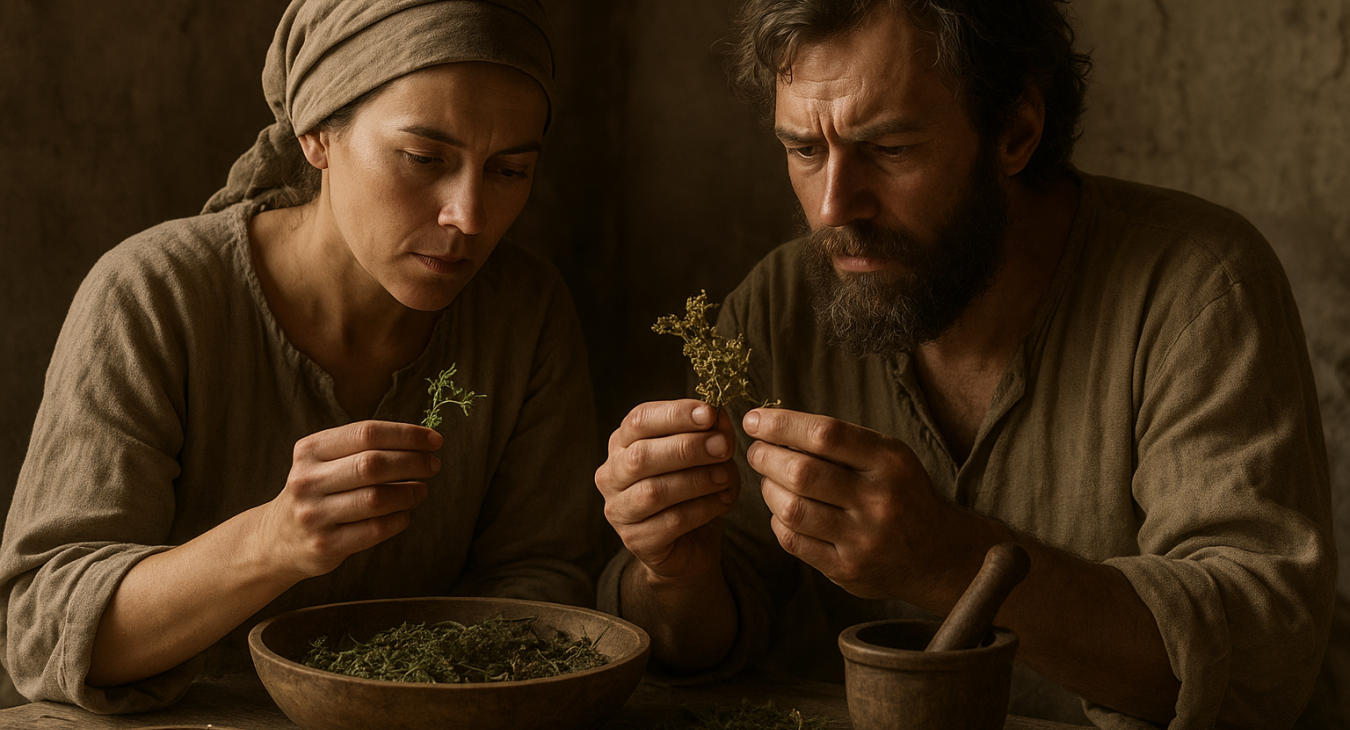
The foundation of modern medicine is not solely built upon contemporary laboratories and high technology. Instead, it rests on the shoulders of ancient healers who discovered the healing properties of plants long before the advent of synthetic drugs. These herbalists, shamans, and wise women were the first to observe how nature could alleviate pain, treat infections, and heal wounds. Their contributions are foundational because they provided the initial knowledge that modern pharmacology relies upon today.
The Roots of Pharmacological Knowledge
Ancient herbalists spent centuries observing plants in their natural environments. They identified which species contained active compounds capable of treating specific ailments. This systematic observation formed the basis for early pharmacopeias and medical texts. Many modern medications are derived from these original plant sources, illustrating a direct lineage between ancient wisdom and contemporary treatment.
The Role of Shamans and Wise Women
Shamans and wise women played critical roles in preserving and disseminating herbal knowledge across generations. They were often the primary healthcare providers for their communities, using plants foraged from wild forests to create remedies. Their expertise was passed down through oral traditions and practical experience, ensuring that essential healing practices survived into the modern era.
The Influence of William Parkinson and Nicholas Culpeper
William Parkinson authored The English Physician, a comprehensive work on herbal medicine. This text served as a significant source for Nicholas Culpeper, who edited it to create his own influential herbal book. Culpeper's work was widely distributed and became a staple in many households, further spreading the knowledge of plant based remedies.
The Legacy of Herbalism Today
Modern medicine continues to benefit from the insights gained by ancient healers. Many drugs are still derived from plants that were first identified as medicinal by herbalists centuries ago. By recognizing this debt, we can appreciate the profound connection between nature and human health and the enduring legacy of those who pioneered early healing practices.