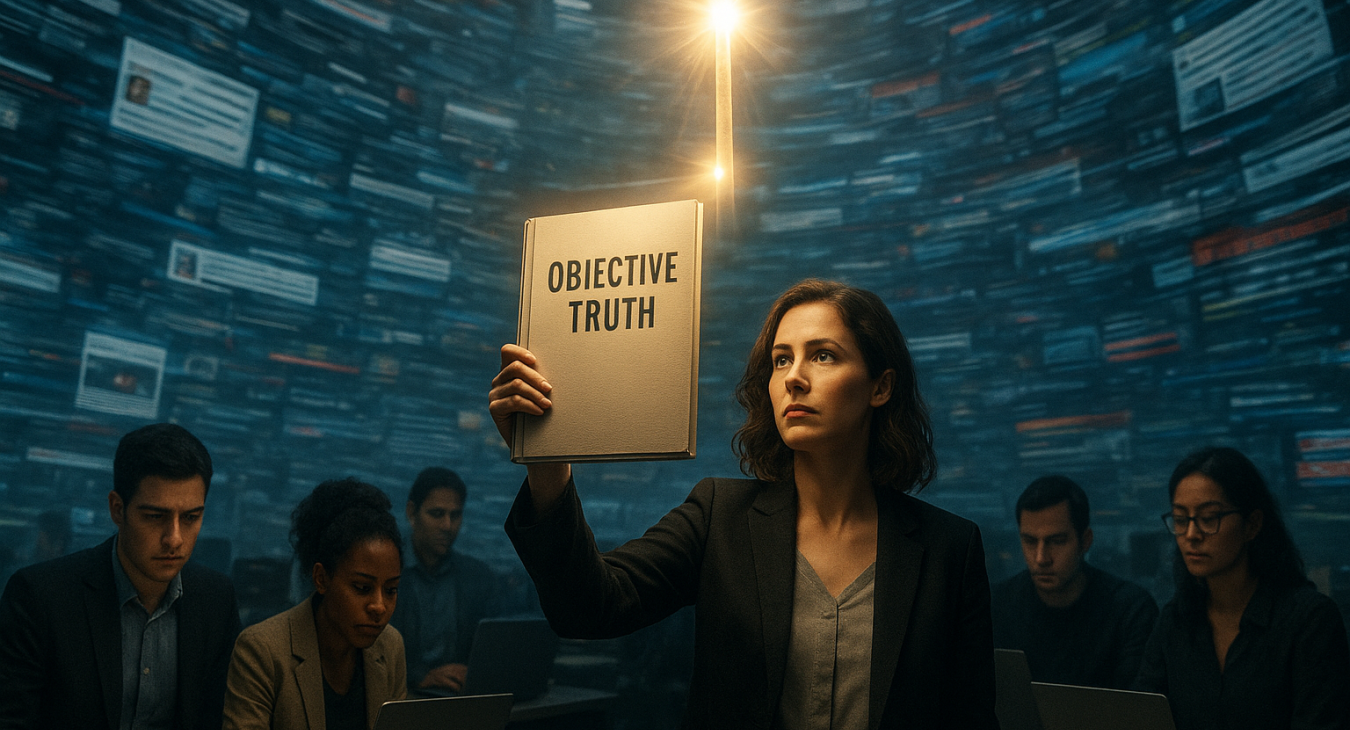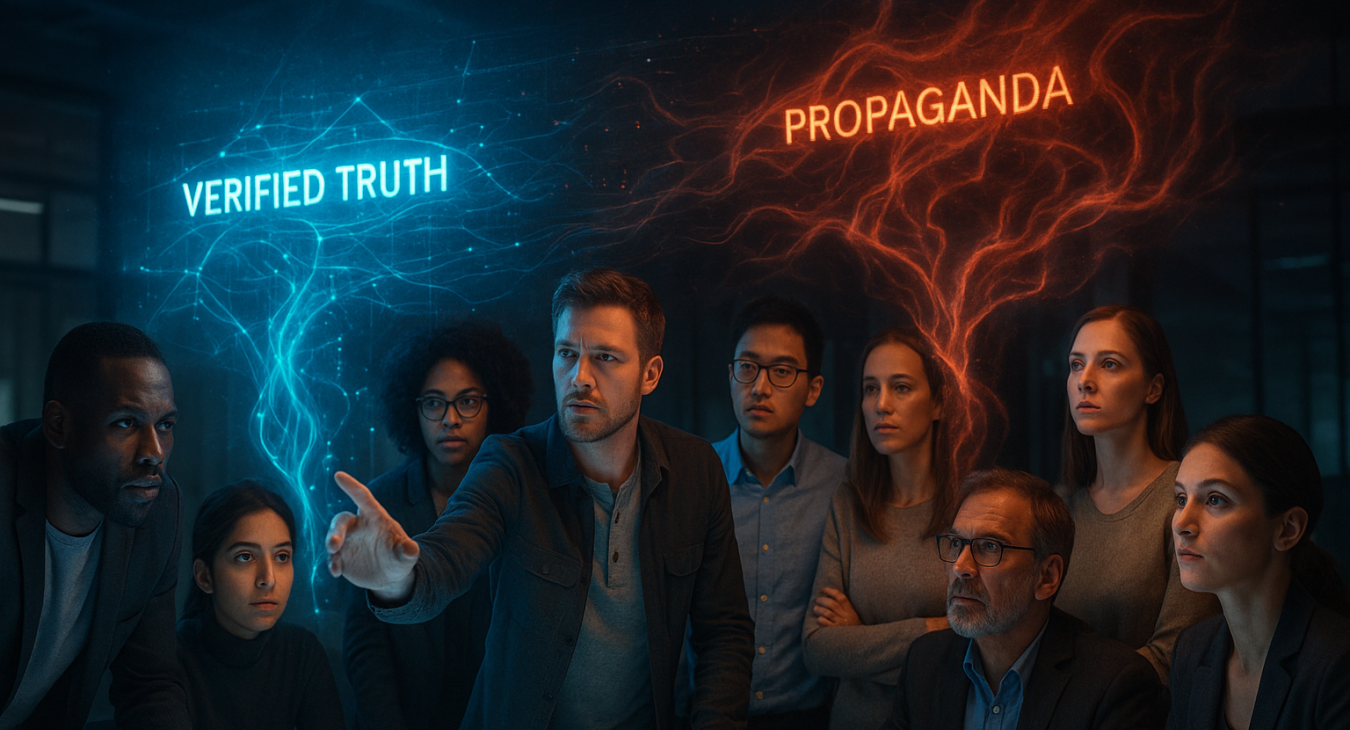

In an era of information overload, where news cycles move at lightning speed, the ability to critically read content has become essential. We are constantly bombarded with headlines that promise sensationalism and immediate gratification. However, these snippets of text often lack the full context required for a complete understanding of any given topic. Critical reading involves approaching a text with an open mind and carefully considering its content before forming conclusions.
The role of headlines is significant in modern media consumption. They are designed to grab attention, deliver the core message of a story, and help readers decide if an article is worth reading. Yet, their primary function is often to entice clicks rather than provide comprehensive information. This creates a situation where many people form opinions based on incomplete data points.
A study by Columbia University computer scientists found that 59 percent of links shared online are never clicked. This statistic highlights the danger of relying solely on headlines for information. When we share content without clicking through, we risk perpetuating misinformation or incomplete narratives. Critical reading requires us to move beyond these surface level summaries and engage with the full text.
To develop critical reading skills, it is important to understand the inverted pyramid structure of journalism. This format places the most important information at the beginning of a story, while subsequent paragraphs provide more detail and context. By understanding this structure, readers can better navigate complex news stories and identify key facts.
The Media Literacy Project examines why headlines matter and how readers can support responsible journalism by looking beyond headlines to understand the full context. They emphasize that critical reading involves avoiding drawing conclusions solely from headlines and consuming news content in its entirety. This approach allows for a more nuanced understanding of complex issues and helps prevent the spread of misinformation.
Critical reading is not just about identifying bias or inaccuracies; it also involves evaluating the source of information and considering the perspective of the author. By asking questions such as who wrote the piece, what their goals are, and how they might be influenced by external factors, readers can develop a more comprehensive understanding of any given topic.
Another important aspect of critical reading is recognizing the difference between fact and opinion. While some news stories are based on verifiable facts, others may include personal opinions or interpretations that could influence the reader's perspective. By identifying these elements, readers can better evaluate the credibility of information and make more informed decisions.
The practice of critical reading also involves recognizing common logical fallacies and biases in media content. These are errors in reasoning that can lead to incorrect conclusions or a distorted view of reality. By being aware of these fallacies, readers can better navigate complex news stories and identify key facts.
Finally, developing critical reading skills is an ongoing process that requires practice and patience. It involves consistently challenging assumptions and seeking out diverse perspectives. By cultivating these habits, individuals can become more informed and engaged citizens who are capable of making sound decisions based on a complete understanding of the world around them.