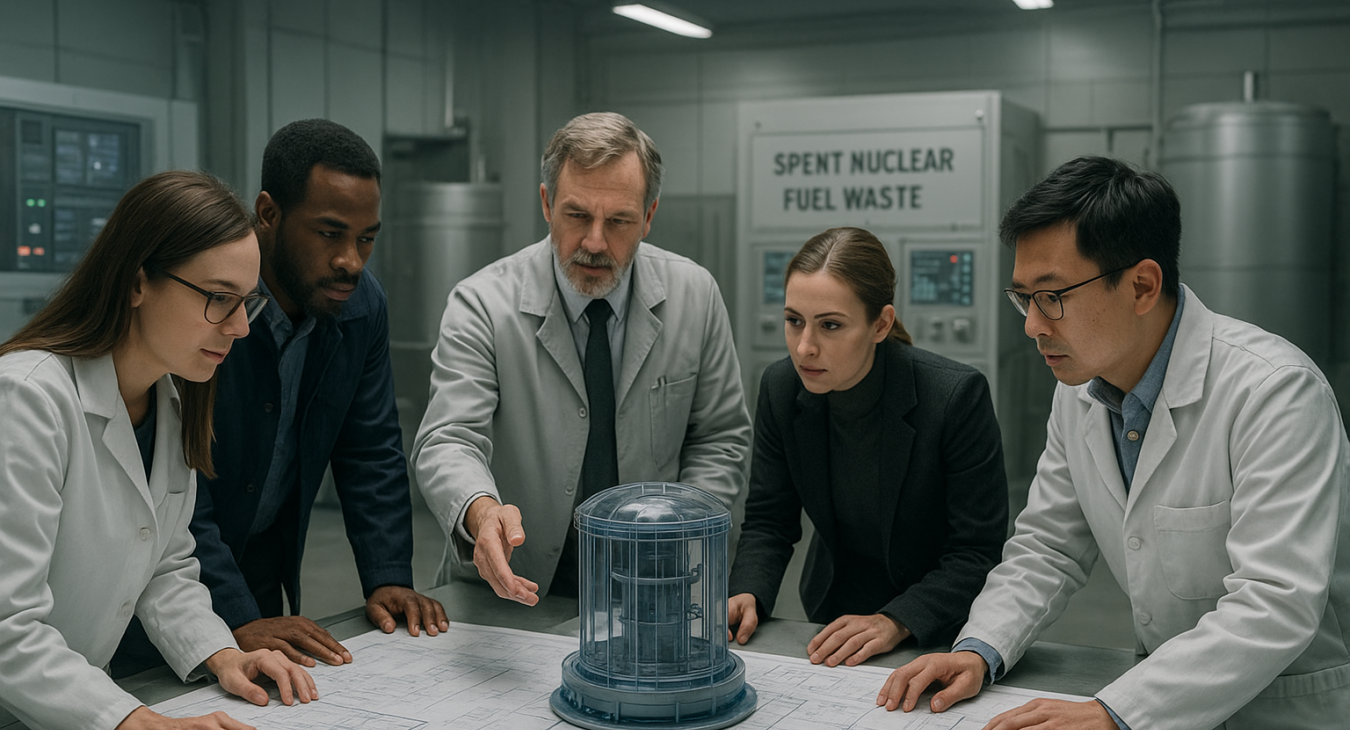

Nuclear power provides high energy density but carries inherent risks that require rigorous safety protocols to manage potential hazards.
The Definition of Nuclear Accidents
The International Atomic Energy Agency (IAEA) defines a nuclear accident as an event causing significant consequences to people, the environment, or the facility. Major accidents involve reactor core damage and radioactive isotope release, such as Chernobyl in 1986 and Fukushima in 2011.
Safety Measures and Public Acceptance
Nuclear safety is linked to security and safeguards. Like civil aviation and chemical industries, lessons from accidents lead to improved safety measures. The risks associated with nuclear power are an acceptable trade-off for its high energy density.
Ionizing Radiation Hazards
Ionizing radiation consists of subatomic particles. Research explores health hazards, cancer risks from nuclear power plant accidents, thyroid cancer risk after I-131 exposure, and protective measures for people in contaminated areas.
Radioactive Isotopes and Exposure Risks
Nuclear reactors contain large amounts of radioactive isotopes, including fission products and heavy elements like plutonium. Exposure to high levels of ionizing radiation from these materials can have severe impacts on people in the vicinity.
Automatic Shutdown Systems
Nuclear reactors are designed to shut down automatically and safely without human intervention, even in the event of a total loss of electricity.