
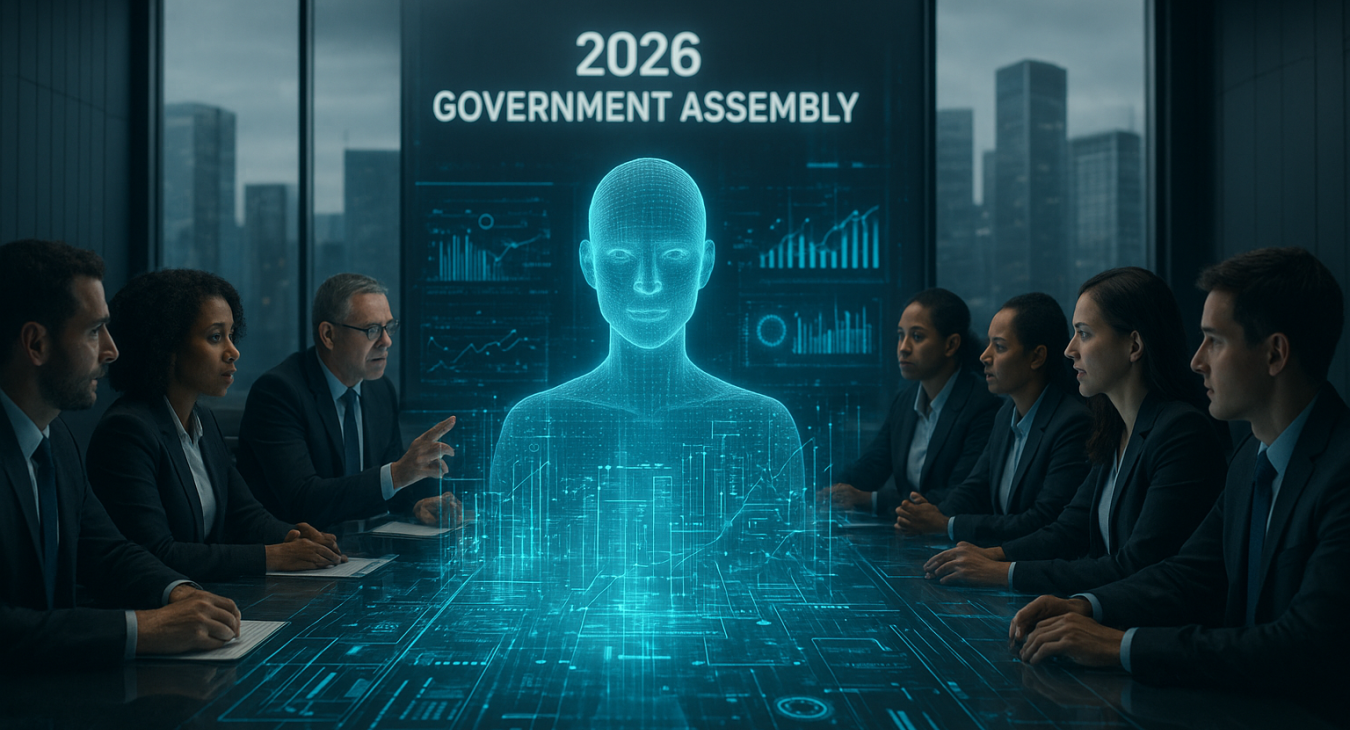
The Rise of the AI Minister in the Modern Administrative State
As global governments move toward 2026, a significant structural shift is occurring within the architecture of governance. We are witnessing the emergence of specialized AI ministers, officials tasked with coordinating the development, regulation, and integration of artificial intelligence across both the private economy and the public sector. Unlike traditional Chief Information Officers (CIOs) who focus on internal infrastructure, these ministers operate at a strategic level, overseeing the ways automated decision-making impacts national security, economic competitiveness, and social services. This trend represents a new evolution of the administrative state, where the complexity of technology necessitates specialized regulatory bodies similar to the Environmental Protection Agency (EPA) or the Securities and Exchange Commission (SEC). However, the unprecedented speed of AI evolution presents a unique challenge that historical regulatory frameworks may not be equipped to handle.
Beyond IT Modernization: The Shift in Departmental Priorities
Historically, government technology departments focused on the arduous task of modernizing legacy systems and improving the reliability of digital services. The current landscape, however, shows a pivoting of priorities toward AI integration. While the technical burden of overcoming outdated software remains a significant hurdle, the new mandate for AI ministers involves more than just hardware upgrades or cloud migration. They are tasked with navigating the transition from isolated pilot projects to large-scale implementations. This shift creates a tension within existing bureaucracy, as departments must balance the urgent need for digital modernization with the aggressive pursuit of generative AI capabilities. This transition is not merely a technical upgrade but a fundamental reorientation of how state power is exercised through computational means.
The Technocracy Gap and the Erosion of Democratic Accountability
The emergence of highly specialized AI ministries brings a profound theoretical tension between the technocratic ideal and the reality of democratic accountability. There is a growing risk of a 'technocracy gap,' a phenomenon where specialized officials wield immense, unelected power over the social fabric. When AI systems are integrated into judicial decisions, welfare distributions, and law enforcement, the logic governing these actions is often embedded in complex, opaque algorithms. If decision-making power shifts from elected representatives and transparent administrative processes to specialized AI ministers and their technical cadres, the traditional mechanisms of public scrutiny may fail. This creates a situation where the most consequential decisions affecting human rights and social equity are made within specialized technical silos, shielded from the standard rigors of democratic debate.
Siloed Governance versus Integrated Coordination
A critical question facing modern governance is whether AI ministers will act as effective coordinators or if they will simply create new layers of bureaucratic complexity. The risk of 'siloed governance' is high, where specialized AI agencies operate independently of the departments they are meant to assist. Instead of fostering cross-agency synergy, these new ministries could potentially insulate technological decision-making from the public eye. By framing AI integration as a purely technical or security-driven endeavor, governments may inadvertently create a closed loop of expertise. This insulation makes it difficult for civil society to challenge the underlying assumptions of algorithmic deployment, effectively turning the pursuit of 'scaling AI' into a self-justifying mandate that bypasses traditional oversight.
The National Security Framing versus Human Rights Protections
Current political discourse often adopts a 'pro-innovation' narrative, framing the rapid deployment of AI as a matter of national security and global competitiveness. This perspective suggests that any delay in implementation is a strategic failure. However, this framing frequently clashes with civil liberties perspectives that prioritize algorithmic accountability and the mitigation of bias. AI ministers face a fundamental conflict of interest: they are pressured to accelerate deployment to maintain a competitive advantage, yet they are also responsible for ensuring that these systems do not perpetuate systemic inequality or violate privacy. The danger lies in the possibility that the drive for rapid scaling will prioritize speed and efficiency over the rigorous testing required to protect vulnerable populations from algorithmic harm.
Establishing Frameworks for Algorithmic Accountability
The true challenge for future AI ministers will not be the technical hurdles of legacy software or the deployment of generative AI models. Rather, the challenge lies in establishing a robust framework for algorithmic accountability that remains resilient through shifting political administrations. Unlike traditional IT projects, which have clear lifecycles and endpoints, AI systems are iterative and constantly evolving. A policy framework established today may be obsolete by tomorrow due to the rate of technical advancement. To prevent the permanent entrenchment of unelected technocratic power, governments must develop regulatory structures that are as dynamic as the technology itself, ensuring that the deployment of artificial intelligence remains subservant to the principles of transparency, equity, and the rule of law."}" }



