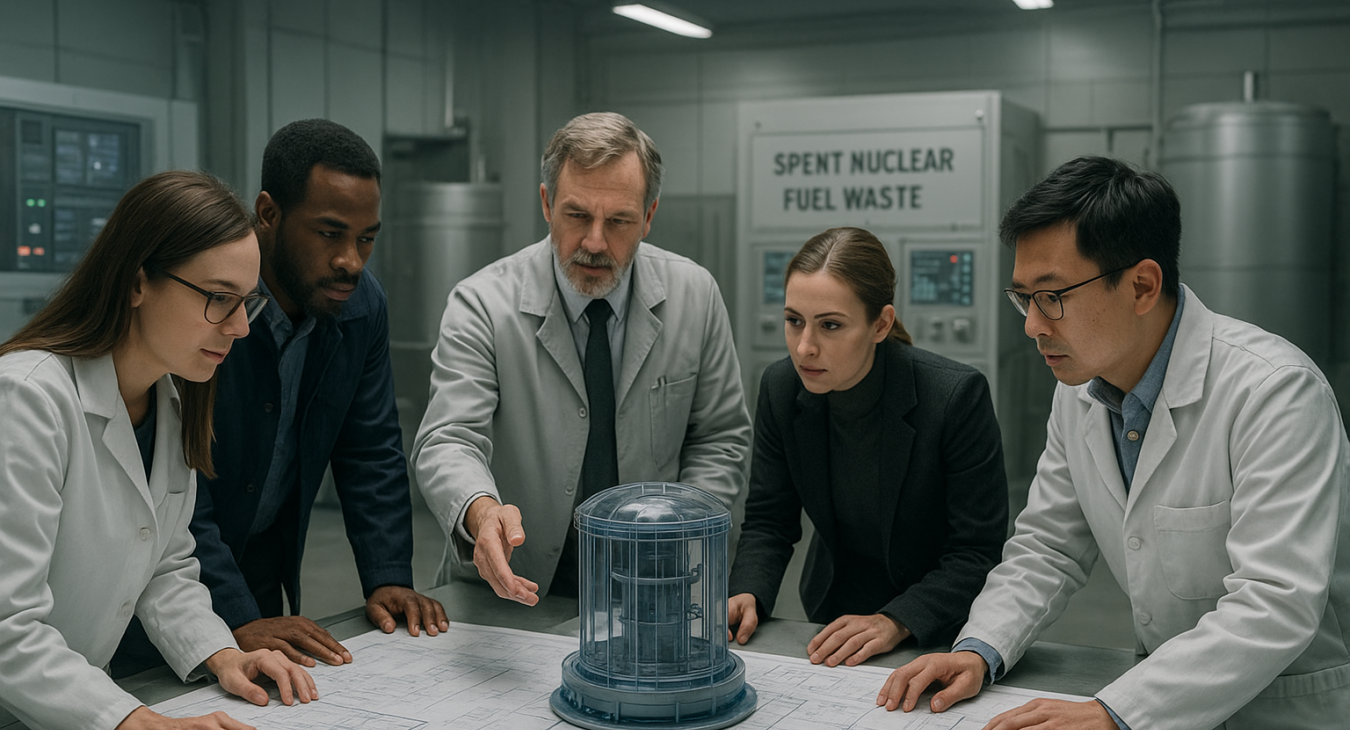

The global nuclear energy landscape faces a critical challenge regarding the management of spent fuel assemblies. As more reactors come online, the volume of highly radioactive waste continues to grow at an alarming rate. This accumulation poses significant risks if not addressed with long term solutions for storage and disposal.
Current estimates suggest that over 250,000 metric tons of highly radioactive waste are stored near nuclear power plants and weapons production facilities worldwide. In the United States alone, more than 90,000 metric tons remain in temporary storage at reactor sites. This situation creates a logistical and safety concern for communities living near these facilities.
The Rokkasho Reprocessing Plant in Aomori Prefecture serves as an example of how large quantities of spent nuclear fuel are managed. It currently stores nearly 1,070 tons of spent nuclear fuel from TEPCO and Japan Atomic Power Company. This facility highlights the complexity involved in handling such hazardous materials on a massive scale.
One major issue is that the United States has a nuclear waste fund containing $24 billion that remains unused while spent fuel piles up at domestic reactors. The lack of progress in establishing permanent disposal sites means that temporary storage solutions are becoming increasingly crowded and potentially less secure over time.
The safe, secure and sustainable management of spent fuel from nuclear power reactors is key to the future of nuclear energy. Without a clear path forward for waste management, public trust in nuclear technology may continue to erode. This issue requires international cooperation and technological innovation to find viable solutions.
Measures to reduce the amount of spent fuel assemblies include increasing target burn up, increasing fuel assembly enrichment, and optimizing processes. These strategies aim to maximize the energy extracted from each unit of fuel while minimizing the waste produced. However, these methods must be balanced with safety considerations and regulatory requirements.
The PDF Guidebook provides guidance to Member States on spent fuel storage options, describing history and observed trends in storage technologies, operational experiences, lessons learned, and evolving aspects like higher burnup and mixed oxide spent fuel. This document serves as a valuable resource for policymakers and engineers working to solve the waste problem.