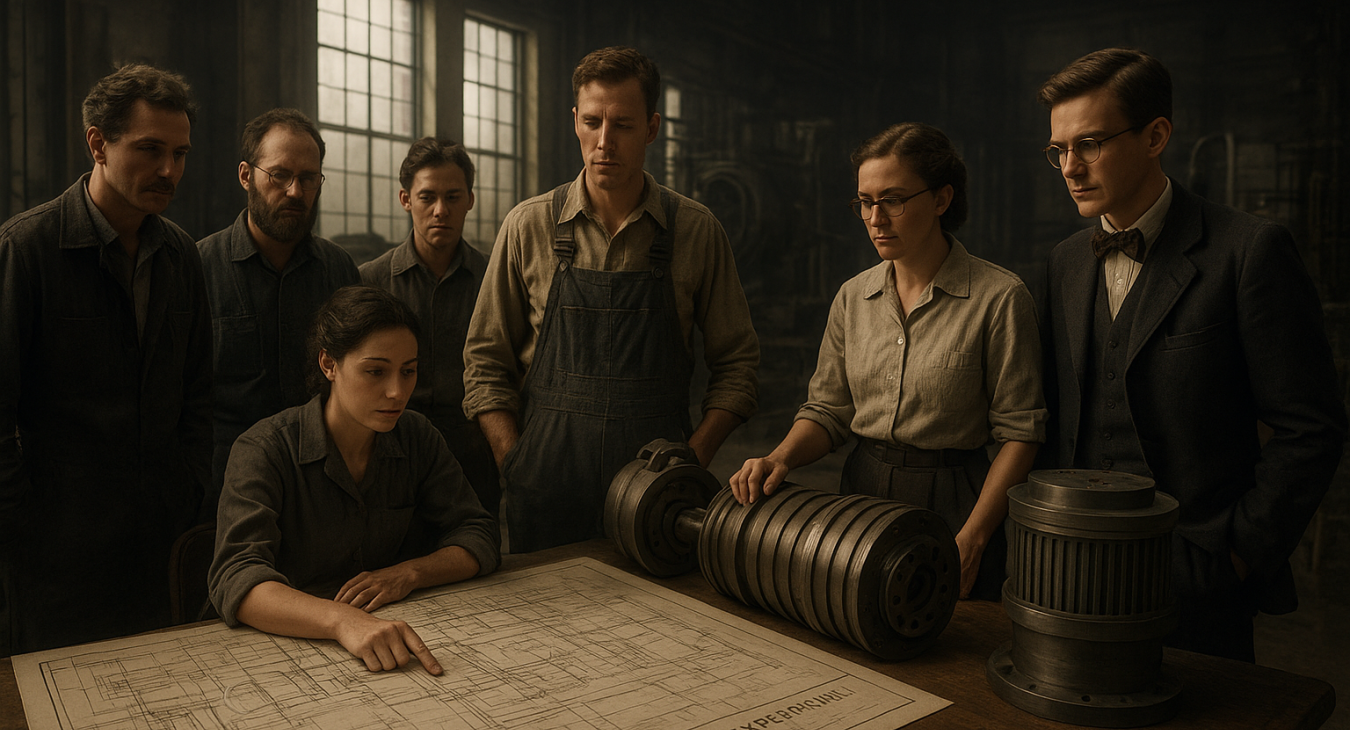
The history of the Sodium Reactor Experiment (SRE) offers a powerful, technical look at early nuclear development in the United States. Located historically near Simi Valley, California, this pioneering facility played a crucial role in advancing understanding of reactor safety and materials science.
The incident occurred in July 1959, marking an accidental blockage of the sodium coolant flow in multiple channels. This failure led to overheating and the partial melting of 13 of the 43 fuel assemblies. It was a significant moment that tested the resilience of early U.S. reactor systems.
Operational Impact and Response
The primary issue stemmed from tetralin residue seeping into the cooling system via a pump seal, where it decomposed in the high-temperature sodium. This decomposition clogged several narrow cooling channels. Thankfully, reactor safety systems functioned properly throughout the event, allowing the reactor to be safely shut down without operator injuries or acute off-site radiological consequences.
Following this setback, intensive work was required: Atomics International personnel successfully removed the damaged fuel elements and cleaned the contaminated sodium system before restarting operations in September 1960. The facility continued operating until February 1964.
Scientific Analysis and Learning
The scientific community undertook detailed investigations into the accident. Modern analyses, including those from independent studies in 2005, focused on confirming what materials were released. These findings provided critical data points that showed that while limited amounts of noble gases were vented to the environment, substances like iodine-131 and cesium-137 remained largely contained within the solid fuel or sodium coolant system.
These technical analyses emphasized that most radioactive material release was successfully contained within the primary pressure vessel. Furthermore, when radioactive gases were collected in a hold-up tank, they were vented to the atmosphere over two months with careful oversight and approval from the Atomic Energy Commission (AEC), remaining well below regulatory limits.
Personal Perspective on Progress
While the technical details are complex, the human story is one of persistence. Workers involved in cleanup and recovery faced challenging physical and scientific tasks. Their dedicated work ensured that knowledge was gained, paving the way for safer reactor designs in the future. This resilience defined a major chapter in American energy history.
For those interested in the deeper historical context of this complex topic, further resources were made available through community workshops, ensuring open dialogue among experts and concerned citizens about the incident's lasting legacy.
- Log in to post comments