
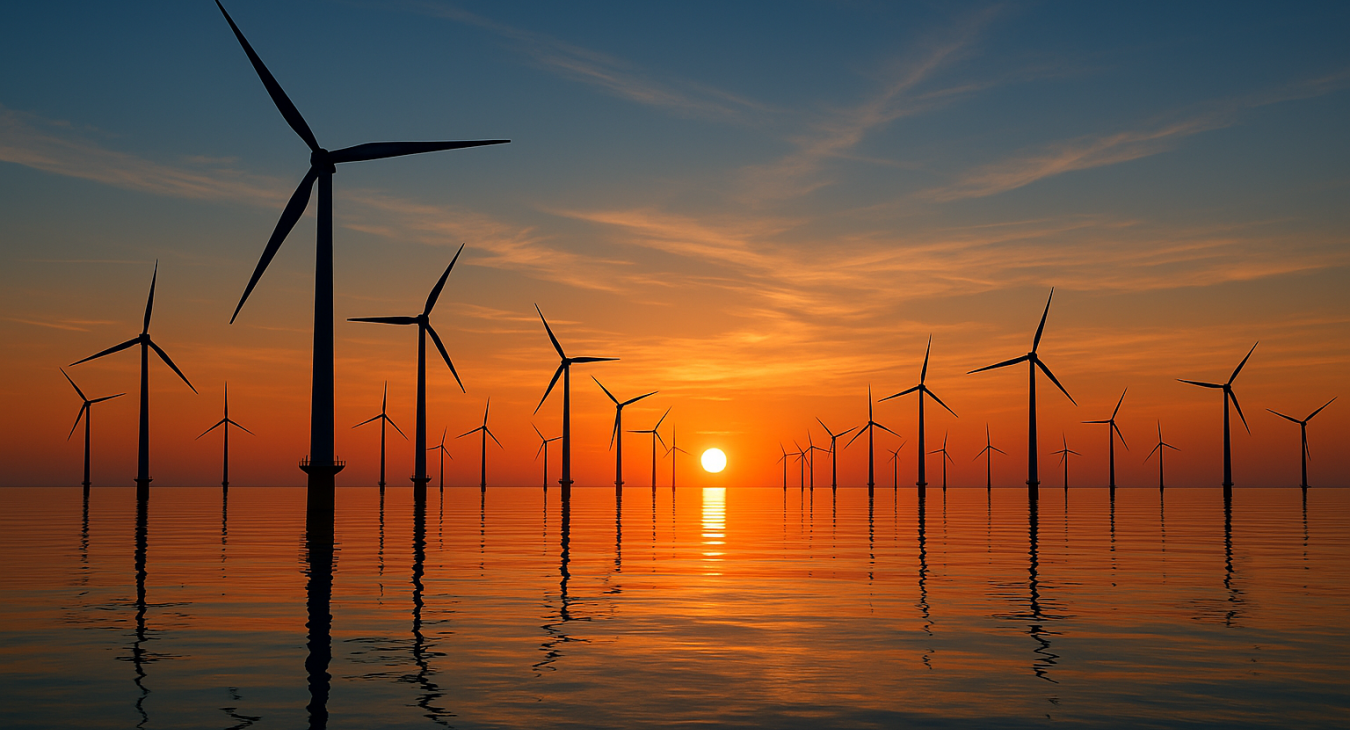
Denmark's journey from an oil-dependent nation to a global leader in renewable energy is a remarkable story of resilience, innovation, and political foresight. This transformation, largely spurred by the tumultuous events of the 1973 oil crisis, has positioned Denmark as a beacon for sustainable practices and green technology.
The Oil Crisis and Its Impact
Prior to 1973, Denmark's energy security was heavily reliant on imported oil. Over 90% of the country’s energy needs were met by foreign sources, leaving it vulnerable to geopolitical instability and price fluctuations. The sudden spike in oil prices during the crisis served as a stark wake-up call. It highlighted the urgent need for diversification and a move towards greater self-sufficiency.
Diversification and Self-Sufficiency
The Danish government responded decisively, initiating policies aimed at reducing oil dependence and fostering domestic energy production. This involved exploring alternative fuel sources, investing in research and development, and encouraging energy conservation measures. A significant shift began towards natural gas and, crucially, wind power.
Denmark achieved self-sufficiency in natural gas as early as 1984 and attained oil independence in 1993. These milestones demonstrated the effectiveness of the diversification strategy and laid a solid foundation for future renewable energy advancements.
The Rise of Wind Energy
While bioenergy remains the most widely used renewable source, wind power has become synonymous with Denmark's green ambitions. Early pilot projects in the 1980s paved the way for large-scale wind farm development. The initial turbines were relatively small, but technological advancements rapidly increased efficiency and capacity.
Denmark now boasts the highest per capita wind energy production among OECD countries, a testament to sustained investment and innovation. This leadership position is not only environmentally beneficial but also contributes significantly to the Danish economy, creating jobs and fostering technological exports.
Ørsted: A Key Player
A pivotal player in Denmark's renewable energy success story is Ørsted. Originally a state-owned oil and gas company (Dansk Olieboreselskab), it underwent a strategic transformation, pivoting its focus entirely to renewable energy solutions. Today, Ørsted is a global leader in offshore wind development and invests heavily in other green technologies.
For investors seeking more information about Ørsted's financial performance, stock information, and green bond offerings, detailed reports are publicly available on their website. You can find investor relations contact details and further information at https://orsted.com/en/investors.
Decarbonization and Future Goals
Denmark’s commitment to sustainability extends beyond wind power. The nation has made substantial progress in reducing its carbon emissions, halving them since 1990. This is due not only to increased renewable energy usage but also to improvements in energy efficiency across various sectors.
The Danish government has ambitious targets for further decarbonization and aims to achieve a fully green energy system by 2050. This includes continued expansion of wind and solar power, exploring geothermal resources, and developing innovative solutions for sustainable transportation and heating systems. For more information on Denmark's climate goals and policies, you can contact the Danish Energy Agency via email at contact@ens.dk or by phone at +45 9935 6000.



