
The global push toward nuclear energy as a low carbon solution has brought to light a significant and unresolved challenge: the long term management of spent fuel rods. While these materials are essential components of the nuclear power cycle, their radioactive nature poses substantial risks that require secure containment for thousands of years. The current situation regarding safe storage is increasingly viewed as an inadequate response to a problem that requires permanent solutions.
The Nature of Spent Nuclear Fuel
Spent nuclear fuel rods are the remnants left behind after uranium or plutonium has been used in a reactor core. These materials remain highly radioactive and contain isotopes with half lives spanning thousands of years. Because they emit intense radiation, they must be isolated from human populations and the environment to prevent health risks and environmental contamination.
Current Interim Storage Solutions
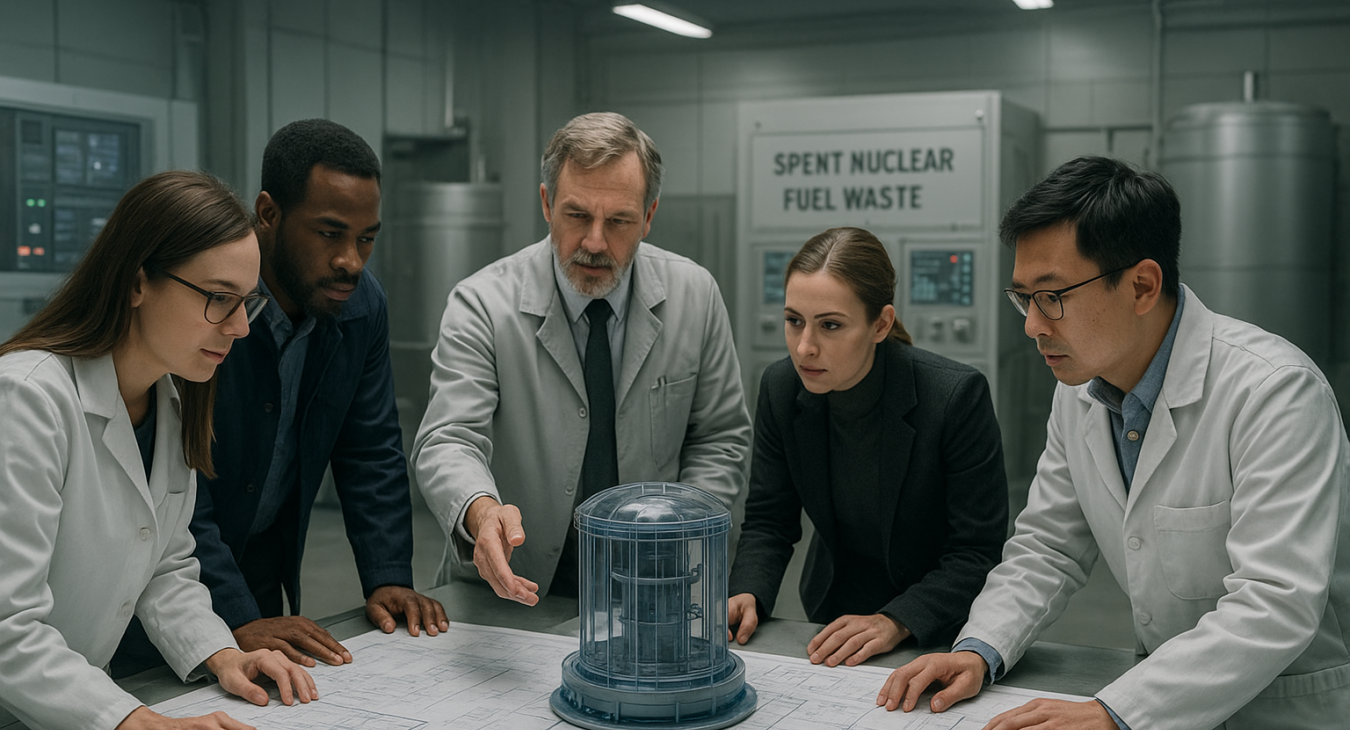
The Nuclear Regulatory Commission's Consolidated Interim Storage Facility (CISF) utilizes dry cask storage for spent nuclear fuel at an away-from-reactor site until it can be disposed of in a permanent facility. This method involves placing the fuel rods into steel and concrete containers that are designed to withstand extreme conditions, including seismic events and high temperatures.
Independent Spent Fuel Storage Installations
An independent spent fuel storage installation (ISFSI) is a facility designed and constructed for the interim storage of spent nuclear fuel, licensed separately from a nuclear power plant. These facilities are often used when a reactor site is not suitable for long term storage or when there is no permanent repository available.
The Challenge of Permanent Disposal
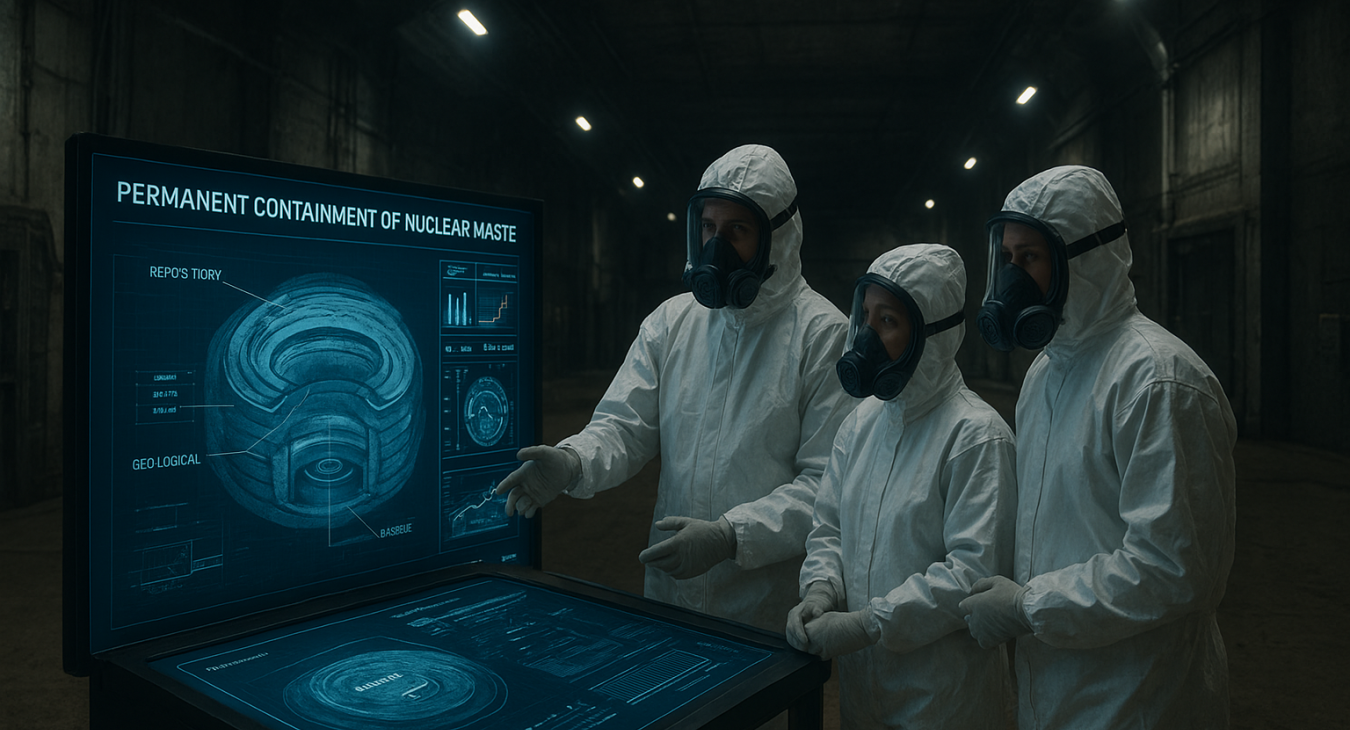
Despite the existence of interim solutions, finding a permanent home for spent nuclear fuel remains a significant hurdle. Critics argue that these temporary measures are not sustainable and could lead to long term environmental hazards if they remain in place indefinitely. The lack of consensus on arrangements for interim spent fuel storage further complicates the situation.
Global Perspectives on Storage Concepts
The IRSN reviewed global and French concepts for spent nuclear fuel storage, including wet and dry, on-site and centralized options, while assessing associated safety issues across different fuel types. These studies highlight the diversity of approaches taken by different countries to manage their radioactive waste.
Geopolitical Considerations in Storage
It is very unlikely that nuclear fuel would be removed from Russia once it has been brought into the country for temporary storage. This highlights how geopolitical factors and national policies can influence the management of spent nuclear waste, creating additional layers of complexity for international cooperation on disposal solutions.
The Future of Spent Fuel Management
The long term safety of spent fuel storage is a critical issue that requires immediate attention. Without permanent repositories and clear strategies for waste management, the risks associated with nuclear energy will continue to grow. Addressing these challenges is essential for ensuring the sustainability and safety of nuclear power as an energy source.