
When global energy landscapes shift dramatically, predictions often run contrary to reality. Germany’s decision to permanently exit nuclear power provides a compelling case study, illustrating that moving away from traditional sources, while challenging, can pave the way for remarkable resilience and cleaner energy futures. The journey was one marked by intense debate, evolving far beyond mere environmental policy.
The push toward climate neutrality culminated in Germany shutting down its last nuclear power stations years ago. While this move faced initial criticism, particularly amidst rising global energy costs following the 2022 invasion of Ukraine, subsequent data tells a different story. The anxiety that the phaseout would immediately force reliance on excessive coal or trigger massive supply shortages has largely been dispelled by real-world outcomes.
Understanding the Transition
The transition was not simply an abrupt replacement; it involved managing deep structural changes across the entire energy sector. Germany had long held a commitment to anti-nuclearism, a socio-political current that predated even modern climate discourse. This history shaped the eventual timeline and strategy of decommissioning.
Looking at the practical details, German electricity generation in March 2023 demonstrated significant progress: renewable sources accounted for 53% of the mix, coal made up 25%, gas was 17%, and nuclear provided only 5%. This snapshot shows a complex energy matrix actively undergoing transformation.
The Unexpected Outcomes
One year after shuttering its final nuclear plants, the predictions of massive supply risks, sky-high price spikes, and an immediate return to dirty coal did not materialize. Instead, Germany recorded a record output of renewable power. Furthermore, the use of coal reached one of its lowest points in six decades, coupled with a major drop in overall emissions.
For those following this energy trajectory, observing the decline in fossil fuel dependence is incredibly instructive. The ability to sustain high levels of clean power generation while reducing reliance on carbon-intensive sources speaks volumes about industrial ingenuity and public commitment.
Personal Stories of Resilience
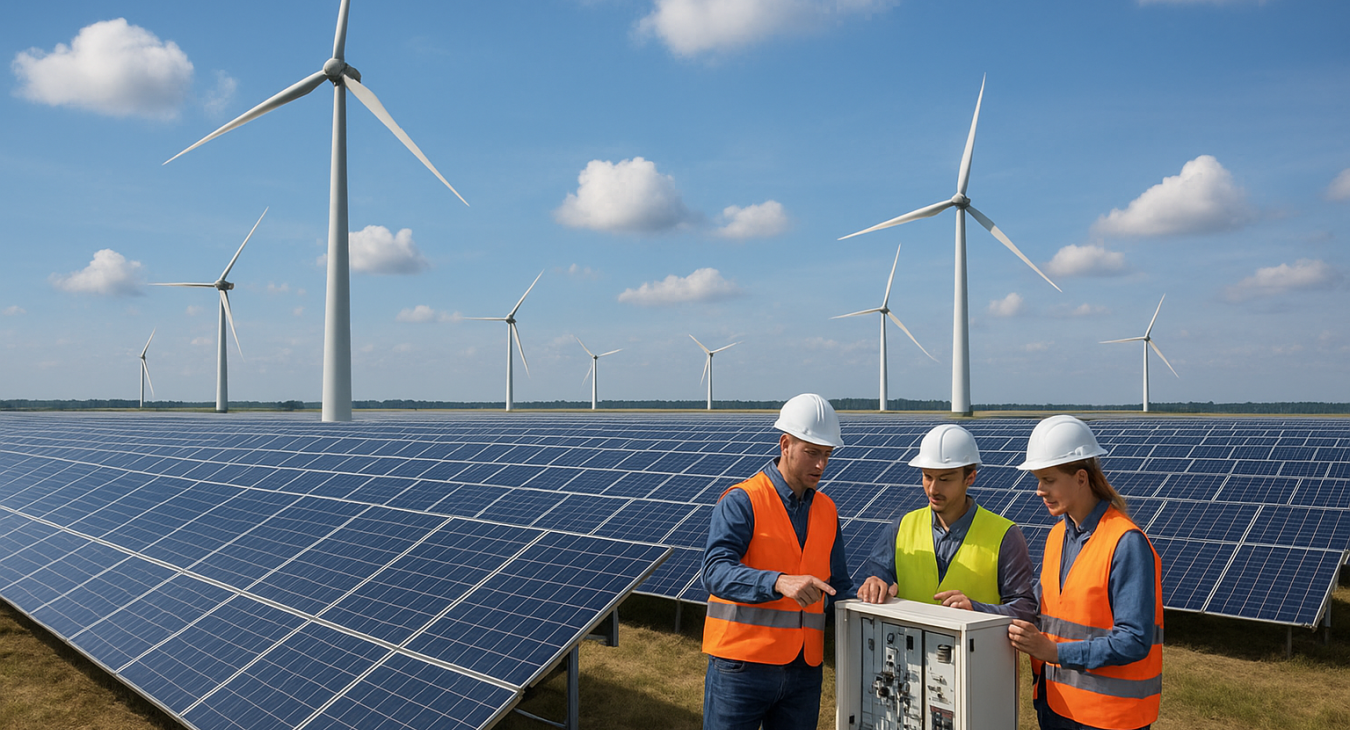
While this shift is often discussed in high-level policy circles, the real impact resonates at a personal level—in the resilience of local communities and industries. Consider the dedication of technicians, engineers, and rural workers who embraced new roles supporting wind and solar infrastructure. Their commitment embodies the core lesson: human adaptability is the most reliable resource.
The economic narrative continues to unfold. While some industry representatives warn that power costs may still reflect structural adjustments as the economy navigates its recovery from recession, the overall trend toward cleaner energy remains undeniable. This transition requires massive investment and continual refinement of grids, but it also unlocks opportunity.
Looking Ahead
Germany's journey provides an optimistic model for other nations contemplating similar shifts. It demonstrates that comprehensive planning, coupled with a deep societal commitment to sustainability, can mitigate the risks of major energy source retirements. The focus has shifted from merely powering homes and industries to fundamentally creating a sustainable economic structure for decades to come.
Ultimately, the German experience teaches us that while decommissioning complex systems like nuclear power is fraught with challenge, embracing renewables—supported by policy, investment, and human will—is not just an environmental choice; it is a viable path toward energy independence and long-term stability.
Read more articles
- Log in to post comments


