
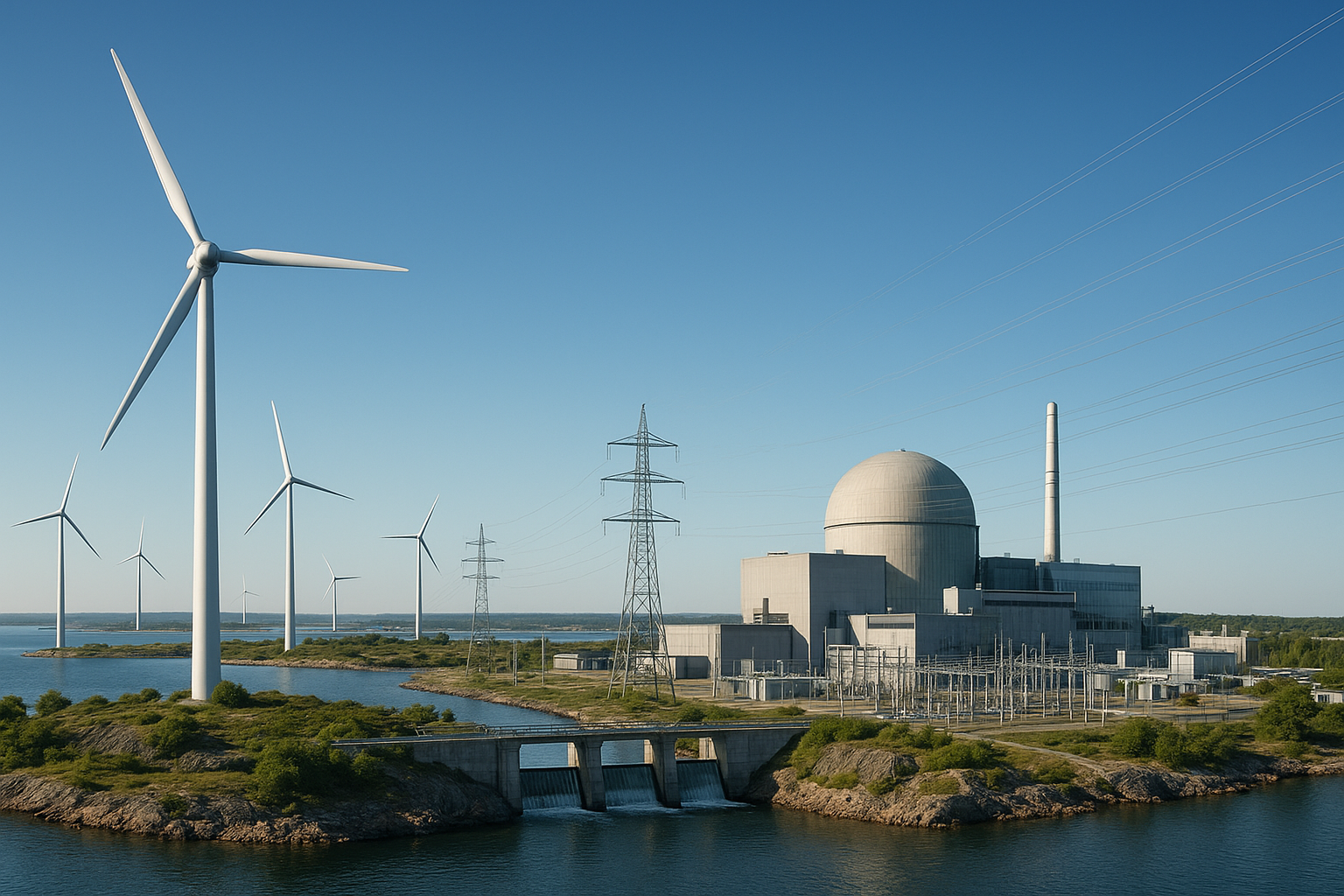
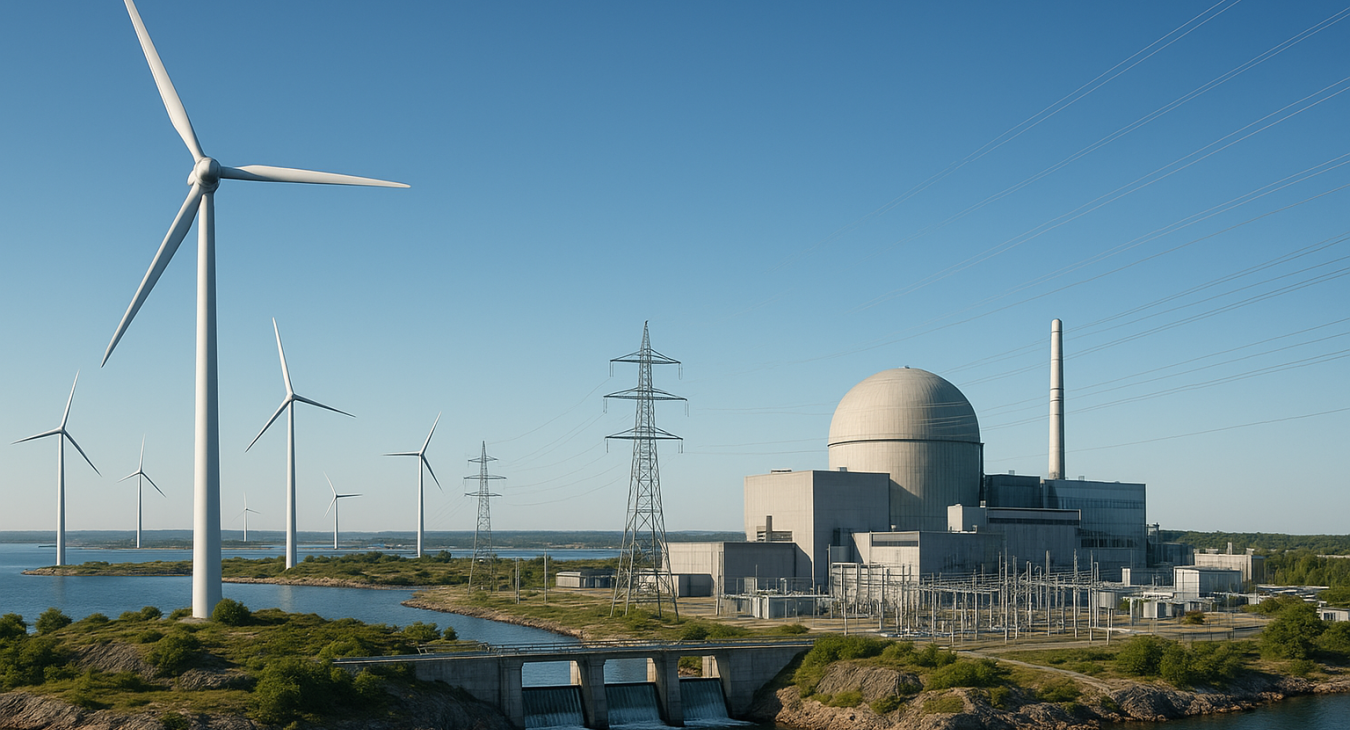
Sweden, an environmental leader celebrated for its clean energy ambitions, is currently navigating one of the most significant dilemmas in modern industrial history: how to power its future. For decades, nuclear power played a vital role in the national grid, contributing substantially to the energy mix and even credited with preventing thousands of potential deaths compared to fossil fuel alternatives. However, political winds have shifted, leading to an intense period of debate about whether to continue supporting nuclear generation or pivot entirely away from it.
The Current Energy Landscape and the Policy Shift
Understanding Sweden’s power situation reveals a complex picture. In 2024, the total generation mix showed nuclear energy providing an estimated 29% of power (around 50.4 TWh). While hydro accounted for 38% and wind for 23%, this mix highlights that no single source guarantees continuous stability across all seasons.
The recent reversal in policy, moving from a planned phase-out toward potential expansion, is driven by practical concerns rooted in modern reality. Key drivers include the ambitious goal of being fossil fuel free by 2040, the increased exposure to extreme weather events that challenge renewables' predictability, and growing energy security worries.
Why Stability Matters: Nuclear’s Unique Role
The debate often centers on reliability. One of the core arguments supporting nuclear power is its capacity to provide “firm power.” This means it generates electricity consistently, regardless of whether the wind blows or the river level drops. Experts point out that integrating reliable baseline power sources is crucial for expanding the grid and accommodating new industrial demands.
During times of volatile international energy prices, the predictable output from nuclear facilities offers a critical layer of stability to Sweden’s national grid. This ability to unlock more capacity on existing lines makes it uniquely valuable in supporting economic growth while maintaining environmental targets.
Personal Experiences and Global Perspective
For citizens like those who operate industries relying on constant power, the discussion isn’t purely academic. It becomes a matter of livelihood and national resilience. Anecdotes from energy sector workers highlight the stress points when natural resources fluctuate, reinforcing the need for diversified and dependable power generation.
Looking at international best practices, many nations are finding that coupling intermittent sources (like wind) with reliable baseload power (like nuclear) is the most pragmatic pathway forward to achieve deep decarbonization without sacrificing economic stability. This approach acknowledges both environmental responsibility and industrial necessity.
Conclusion: Finding the Optimized Balance
Sweden’s dilemma, therefore, is not simply 'yes or no' regarding nuclear power. It is a nuanced effort to optimize its entire energy matrix. The focus remains on developing policies that skillfully blend high levels of renewable output with highly reliable base generation. By maintaining an open dialogue among political parties, scientists, and the public, Sweden is positioned to find a path forward that maximizes both its environmental commitment and its economic stability.
- Log in to post comments