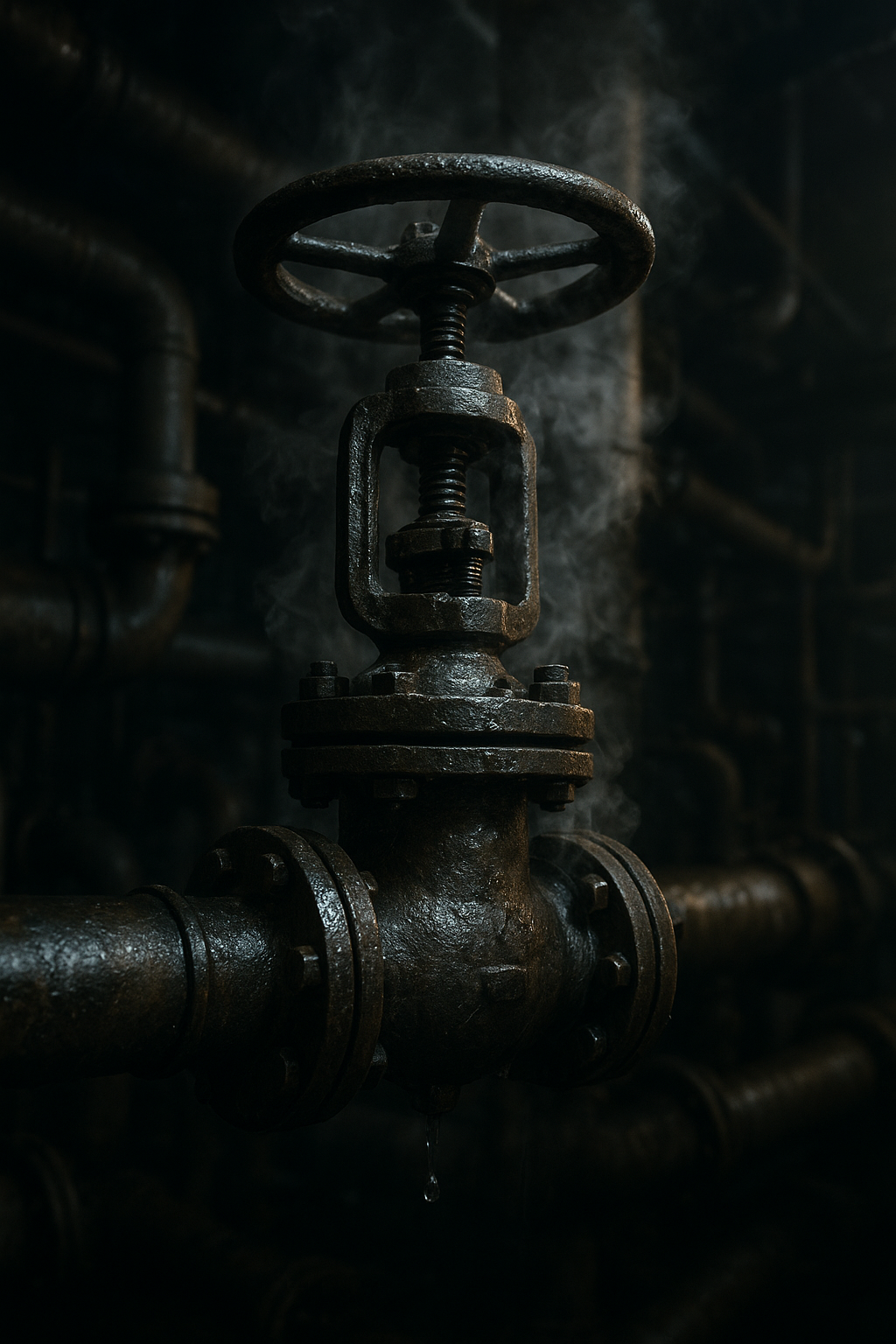
In the vast world of industrial manufacturing and process engineering, attention often focuses on massive turbines or giant reactors. However, beneath the surface, a humble component—the control valve—plays an absolutely critical role. It is arguably the unsung hero of industrial processes. Yet, precisely because it performs such a vital function, it represents a profound single point of failure.
The catastrophic potential of a seemingly small mechanical flaw is something facility owners and process engineers grapple with daily. A minor valve error, perhaps failing to close by just one percent, or a seal degrading by a mere fraction of a millimeter, can precipitate an entire plant shutdown, transforming a high-yield day into emergency downtime.
Historical Examples Show the Stakes
History offers chilling reminders of this vulnerability. Consider the event at the Three Mile Island nuclear power plant in March 1979. The accident began when a small pressure valve malfunctioned and failed to close properly. This simple failure allowed cooling water to drain from the reactor's core, quickly initiating overheating conditions and leading to severe operational challenges.
These incidents highlight that reliability is not guaranteed by size or complexity; it resides in the precise function of these individual mechanical parts.
Modern Challenges and Reduced Output
Contemporary industrial landscapes add layers of complexity. Events such as the recent pandemic have forced many petrochemical and refinery units to operate at significantly reduced rates, or even temporarily shut down. These circumstances, which include extended shutdowns and drastically reduced staff, create unique control valve reliability challenges. Maintaining consistent throughput becomes a difficult task when operating under stress.
Furthermore, maintenance operations themselves can introduce failure points. For example, friction from components like packing might stabilize a valve against 'chattering,' but this very process can also accelerate packing wear, leading to unpredictable and necessary plant downtime.
The Core Problem: Lost Knowledge
A significant operational hurdle involves systemic knowledge loss. In some plants, a major difficulty is that engineers struggle to shut down specific sections of the system because the precise historical locations or configurations of critical valves have been lost over time. This deep technical knowledge is paramount for preventing localized failures from becoming total disasters.
Effective solutions must therefore focus not only on component longevity but also on robust digital documentation and maintenance protocols. The goal is to ensure that even when facing reduced output or challenging operational conditions, the core functionality of every valve remains verifiable and reliable.
By understanding these critical points of failure—from a simple leakage to lost system knowledge—industry professionals can improve resilience and maintain continuous safe operation across vital infrastructure.
- Log in to post comments