
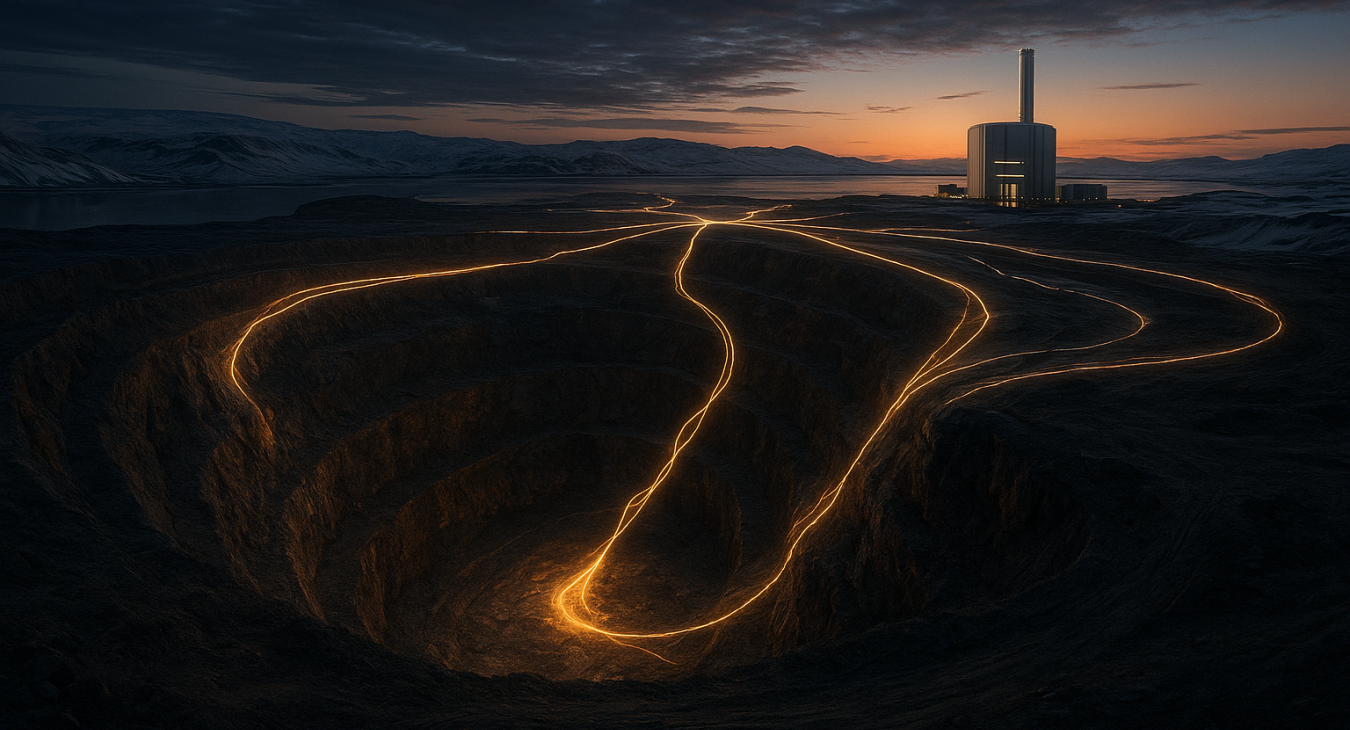
The journey of uranium from global mining sites, potentially as far away as regions influenced by Russia, all the way to the reactors powering Danish energy needs, is anything but simple. It is a critical thread woven into the fabric of modern geopolitical security and sustainable power.
For Denmark, like many nations relying on nuclear energy or maintaining robust industrial capacity, securing a stable uranium supply chain has become a matter of national priority. This dependency exposes Denmark to global market volatility and the unpredictable nature of international relations, particularly given recent major disruptions in global commodity markets.
The Global Pressure Cooker: Why Supply Chains Matter
Global uranium demand is currently outpacing supply capacity. Industry requirements were estimated at 64,295 tonnes for 2024, yet the global capacity only stood at 61,119 tonnes. This gap signals a significant potential strain on resources that needs careful management and strategic sourcing.
The instability witnessed in regions like Ukraine has shown vividly how quickly supply chains can be derailed by geopolitical conflict. Analyzing global uranium sectors since 2010 highlights this sensitivity to financial risks and international tensions, forcing countries like Denmark to reassess their reliance on single sources or historically dominant suppliers.
Shifting Focus: The Rise of Strategic Partnerships
Responding to these vulnerabilities, the focus has shifted dramatically towards diversifying sources and building resilience. This includes paying close attention to mineral-rich territories like Greenland. Greenland holds substantial resources including rare earth minerals, iron, uranium, oil, and gas, making it a pivotal asset in securing global supply chains for major economies, including Denmark.
Educational initiatives are also playing a role in fostering local awareness of these materials. Groups focusing on uranium education in both Greenland and Denmark help reintroduce concepts of resource stewardship and
Read more articles
- Log in to post comments



