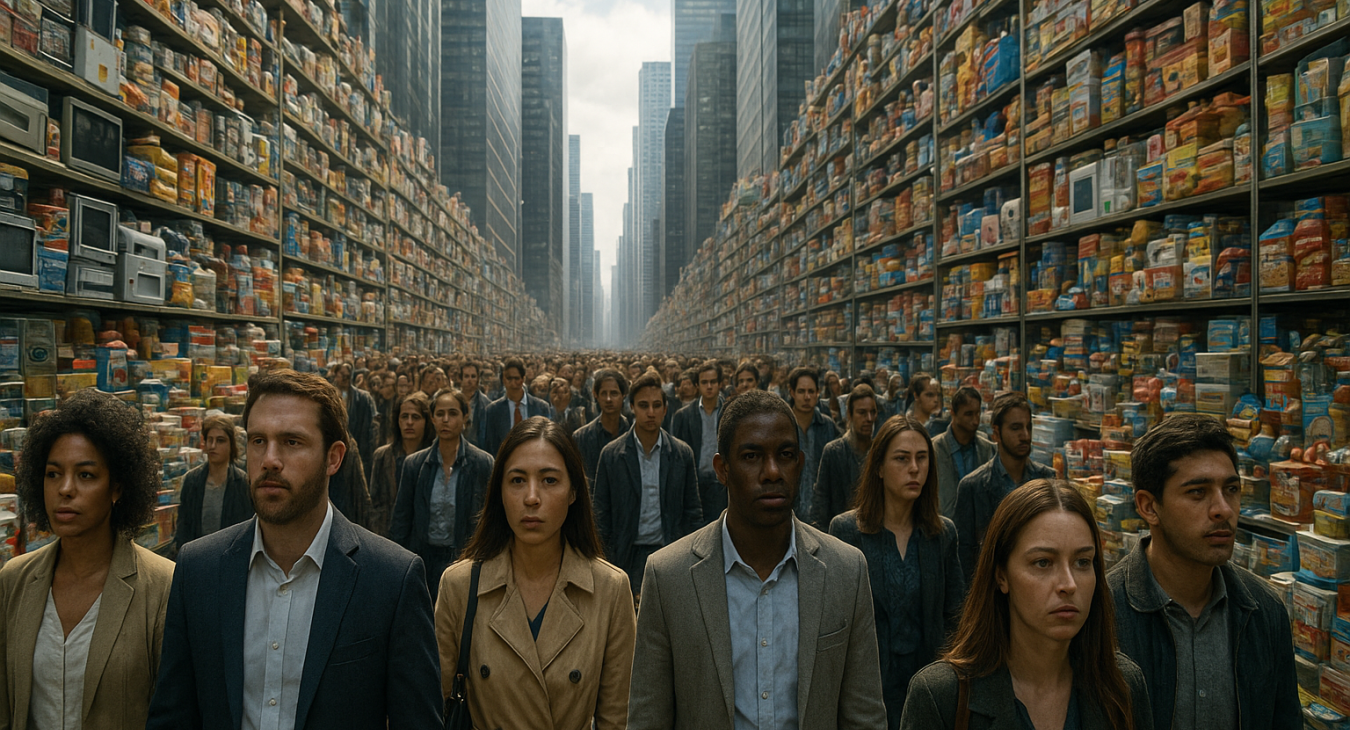
The relentless pursuit of more has become a defining characteristic of modern civilization. From the consumption of resources to the expansion of infrastructure, our collective desire for growth often comes at a significant cost to the natural world. This drive for more is not just an economic phenomenon but a psychological and cultural one that shapes how we interact with our environment.
The concept of more is deeply ingrained in our societies. We are constantly encouraged to acquire new products, consume more energy, and expand our reach into every corner of the globe. This culture of excess has led to unprecedented levels of waste and pollution, creating a significant burden on the planet's ecosystems. The consequences of this behavior are becoming increasingly apparent as we witness the decline of biodiversity and the degradation of natural habitats.
The death knell of nature is a metaphorical expression for the irreversible damage caused by human activities. It signifies the final warning that our current way of life is unsustainable and will eventually lead to the collapse of our natural systems. This warning is not just about the loss of individual species but also about the degradation of the services that nature provides us, such as clean water, fertile soil, and a stable climate.
The impact of human activities on nature is multifaceted. Deforestation for agriculture and timber production has led to the loss of vast areas of forest cover, which are essential for carbon sequestration and biodiversity conservation. Industrial pollution from factories and mines has contaminated our waterways and air, posing a threat to both human health and wildlife. The expansion of urban areas and infrastructure projects has fragmented natural habitats, making it difficult for species to survive and thrive.
The consequences of these actions are far reaching. Climate change is one of the most significant impacts of our activities on nature, leading to more frequent and intense extreme weather events, rising sea levels, and a decline in biodiversity. The loss of biodiversity is another critical issue, as it threatens the stability of ecosystems and the provision of essential services that we rely on for our survival. The degradation of natural habitats also makes it harder for species to survive and thrive, leading to a decline in population numbers and an increased risk of extinction.
The death knell of nature is not just a warning but a call to action. It signifies the need for us to rethink our relationship with the environment and find ways to live more sustainably. This requires a fundamental shift in our values and priorities, moving away from the pursuit of more and towards a focus on conservation and restoration. We must work together to protect our natural world and ensure that future generations can enjoy its beauty and diversity.
The death knell of nature is also a call for us to recognize the interconnectedness of all life. Every species, every ecosystem, and every individual is part of a larger web of life that depends on each other for survival. When we damage one part of this web, it affects all other parts, including ourselves. By protecting our natural world, we are not only preserving biodiversity but also ensuring the well-being of future generations.
The death knell of nature is a call to action that requires us to rethink our relationship with the environment and find ways to live more sustainably. This requires a fundamental shift in our values and priorities, moving away from the pursuit of more and towards a focus on conservation and restoration. We must work together to protect our natural world and ensure that future generations can enjoy its beauty and diversity.