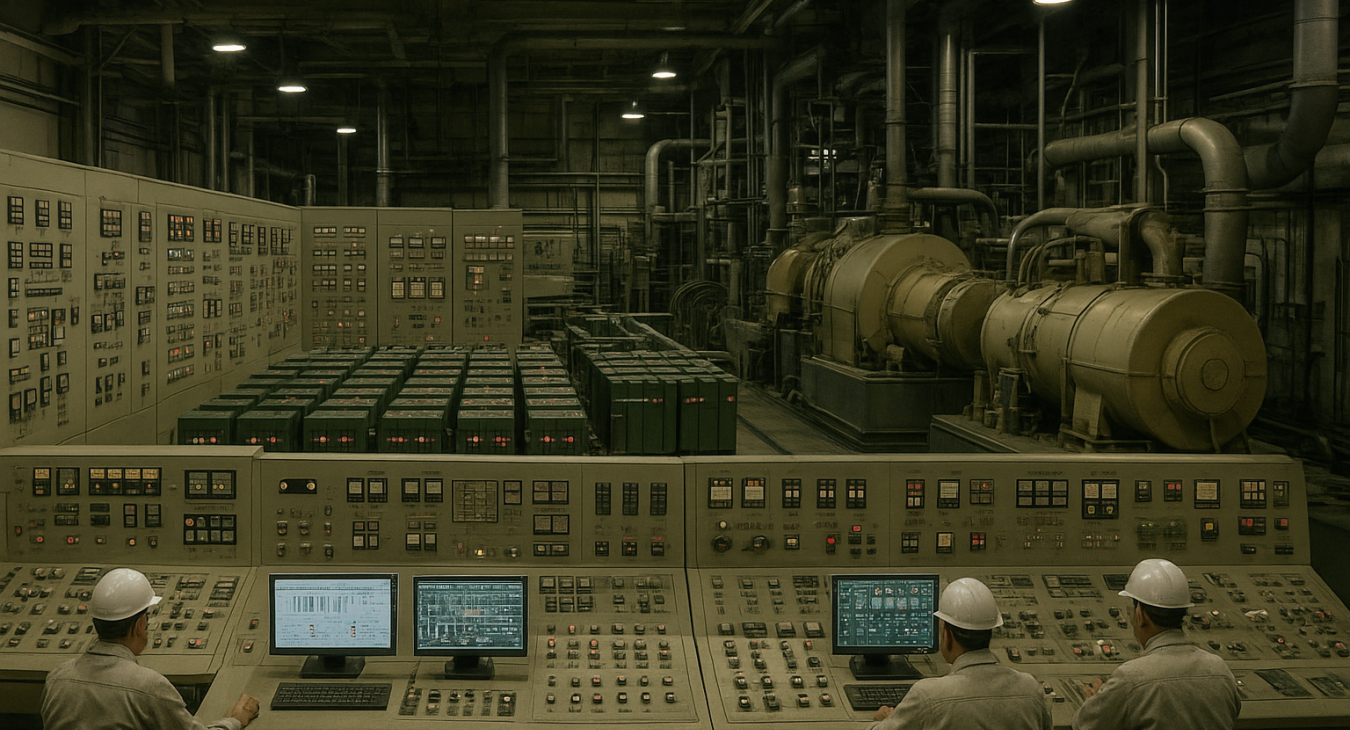
In the high-stakes world of nuclear power, the idea of an endless backup power source is immensely appealing. When considering potential disasters, such as reactor meltdowns, many assume that robust battery banks could provide the necessary lifeline. However, real-world engineering challenges and historical events teach us that even advanced power solutions have critical limitations when facing a catastrophic core failure.
The primary role of batteries in nuclear facilities is crucial, yet limited. They are designed to keep control systems functional and supply energy to vital components like cooling and lubrication pumps during an incident, allowing machinery to safely slow down or reach a controlled stop. Essentially, they protect the plant's ability to transition into a safe state following an accident.
Understanding Reactor Cooling Needs
The fundamental problem in a failing reactor is 'decay heat.' Even after shutting down fuel rods, the core generates substantial residual heat. Maintaining cooling systems is paramount to prevent overheating and damage. Backup electricity supply systems are mandatory to manage this decay heat and keep essential services running—including control, lighting, communication, and ventilation.
The Scale of Emergency Power
Engineers continually assess how long backup energy must last in the absolute worst-case scenario. While battery banks are excellent for providing immediate, short-term power to control technology, they cannot sustain the massive, long-duration electrical demands necessary for sustained cooling and plant operations over weeks or months. Nuclear facilities rely on complex systems designed specifically for extended emergencies.
Lessons from Disaster
The Fukushima Nuclear Disaster of March 2011 stands as a sobering example that even seemingly robust defenses can be overwhelmed by a massive, sustained loss of power and external infrastructure damage. This event highlighted the necessity for redundancy in backup systems, pushing the industry to evaluate various technologies.
The Technology Gap
While advanced battery technologies are continuously being developed, they remain finite resources compared to the continuous power generation potential of diesel generators or other sustained sources. Experts examine the full spectrum of back-emergency power generation (including diesel and alternative methods) when assessing survivability in a large-scale incident.
Understanding these limitations is not meant to undermine confidence in nuclear science; rather, it drives improvements toward greater safety margins. The field benefits from rigorous analysis, comparing battery backup capacity against the sustained energy needs required to manage decay heat effectively over prolonged periods.
For those interested in deeper technical analyses of this topic, resources and white papers have been published by consulting engineers who specialize in infrastructure development and resource management, detailing both existing solutions and potential technological advancements. Their work continually refines our approach to nuclear safety standards.
- Log in to post comments