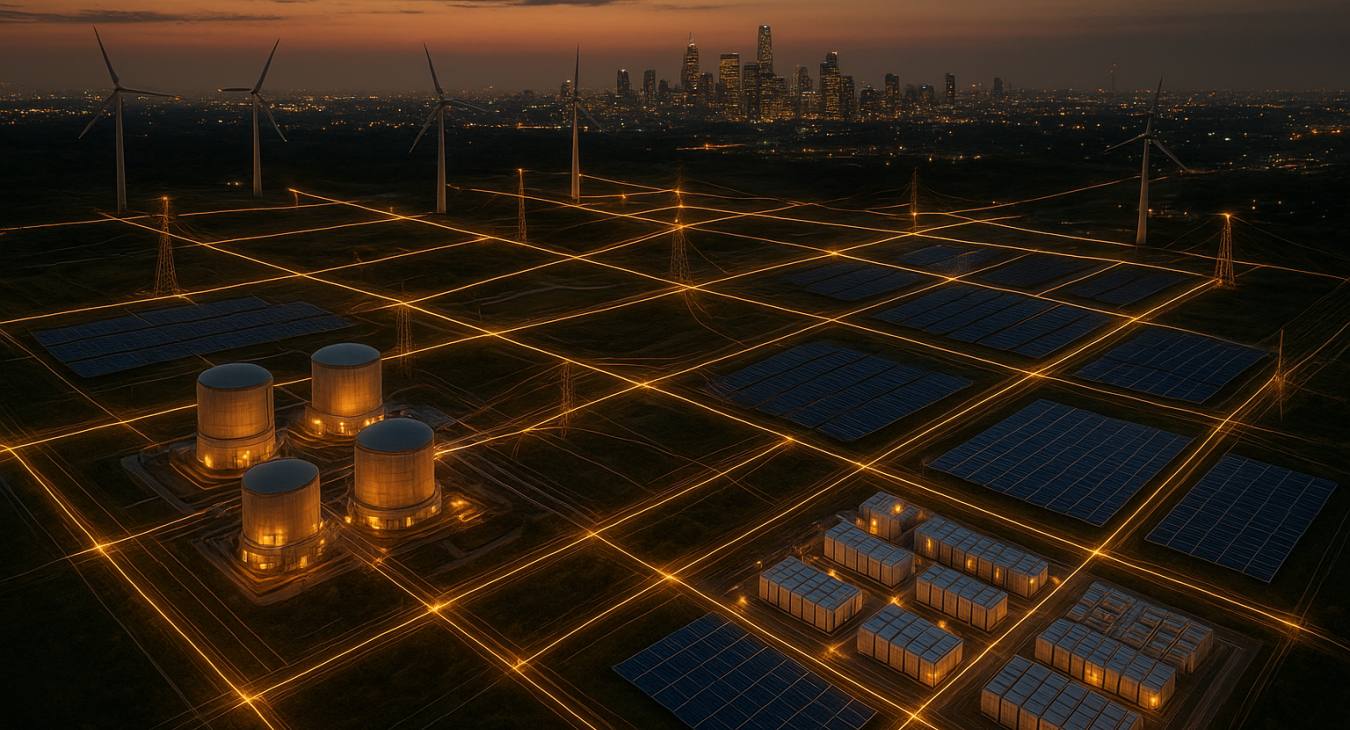
The global power grid stands at a critical crossroads. While nuclear energy has long been touted as a bedrock of reliable, low-carbon electricity, relying on it exclusively to meet an accelerating demand is proving inadequate. The current complexity of modern grids means that while nuclear provides essential baseload stability, no single source can reliably weather the unpredictable 'storms' of climate change, increasing demand, and systemic aging infrastructure.
The Unpredictable Nature of Modern Demand
Our energy needs are growing relentlessly. Data centers, industrial expansion, and the rapid electrification of transport create unprecedented demand spikes. This isn't just about steady growth; it’s about volatility. As seen in recent global events, systems can become incredibly stressed. For example, a blackout in Spain on April 28, 2025, highlighted how quickly major power systems can falter when supply fails to match abrupt demand increases.
The Limitations of Intermittent Sources and Stability
While solar and wind are crucial for decarbonization, their intermittency poses challenges. Relying on these sources requires robust support from other reliable generators. Although sometimes seen as a drawback, this inherent variability actually necessitates greater grid diversity. The fact remains that local weather fluctuations can dramatically affect output, underscoring the need for diverse backup systems.
Real Experiences of Grid Strain
We have witnessed alarming real-world scenarios. The UK's electricity supply margins, for instance, have been under intense pressure due to periods of low renewable generation coupled with high demand. This stress was acutely evident when day-ahead auction prices soared dramatically—at one point reaching nearly GBP500/MWh (USD690/MWh). These price shocks and rolling blackouts are not isolated incidents; they represent a systemic vulnerability.
The Need for a Hybrid Portfolio
Nuclear power, particularly with advancements like small modular reactors (SMRs), offers immense hope and stability in the eyes of bodies like FERC. These technologies are vital for meeting growing demand and replacing retiring coal and nuclear plants. However, the industry consensus is clear: robust grid resilience requires a portfolio approach. The future must integrate reliable, dispatchable power from nuclear alongside flexible generation sources (like battery storage) and smart transmission infrastructure.
The path forward is not an 'either/or' choice, but a synergistic combination of technologies. By coupling the stability of nuclear with the scalability of renewables, we build a resilient system capable of weathering any storm, ensuring that continuous progress can continue for all communities.
- Log in to post comments