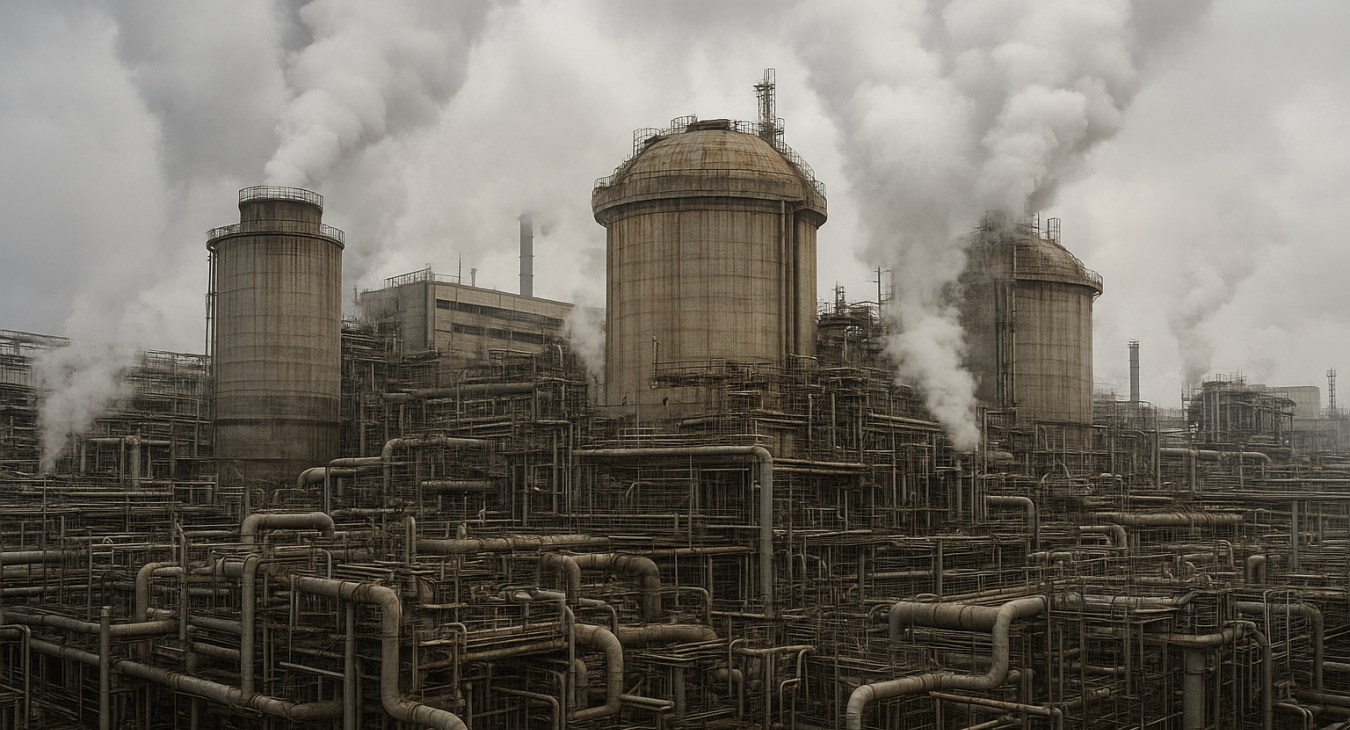
Embarking into the shadow of North Korea's Yongbyon Nuclear Scientific Research Center is to step into a deeply complex chapter of modern global history. This facility functions as the nation's primary engine for plutonium production, making it absolutely central to its nuclear weapons ambitions. Unlike abstract discussions about nuclear stockpiles, understanding this site requires focusing on the physical process: the chemical separation of Plutonium-239 from spent nuclear fuel.
For many who study this subject, observing Yongbyon feels like listening to a persistent echo of ambition. The facility operates via reprocessing activities, extracting plutonium—a material critical for manufacturing advanced nuclear warheads. Commercial satellite imagery has even captured evidence, showing continued modernization and expansion efforts throughout the site in recent years.
Personal accounts from observers note the intermittent but consistent nature of this work. There are reports detailing steam emissions that point to ongoing reprocessing activities for plutonium production, suggesting that operations occur on a campaign basis within its facilities, like the 5 megawatt reactor.
The Technical Core: What Happens at Yongbyon?
At its heart, Yongbyon is tasked with separating Plutonium-239 from spent nuclear fuel. This is a highly specialized process that underpins the entire nuclear cycle for North Korea's arsenal. Historically, this capability allowed the regime to produce key ingredients for nuclear weapons, solidifying its role as a major strategic hub.
The Scope of Production and Beyond
While Yongbyon remains the primary site for plutonium extraction, it's crucial to recognize that North Korea’s program has diversified. Along with plutonium, the nation is also noted as a significant source of enriched uranium. This dual capability—managing both separated plutonium and enriching uranium—allows Pyongyang immense flexibility in developing diverse and sophisticated nuclear weapons.
The potential complexity of this arsenal means that traditional estimates are no longer sufficient. The current trajectory suggests continuous development toward more potent, possibly thermonuclear, weapons systems, far beyond simple fission designs. This progression highlights the depth of technical expertise accumulated at sites like Yongbyon, transforming raw material into formidable military capability.
Overall, visiting or studying this unique hub offers a vivid, tangible lesson in national resource management and military technology development, making it one of the world's most closely guarded and historically significant nuclear locations.
Read more articles
- Log in to post comments