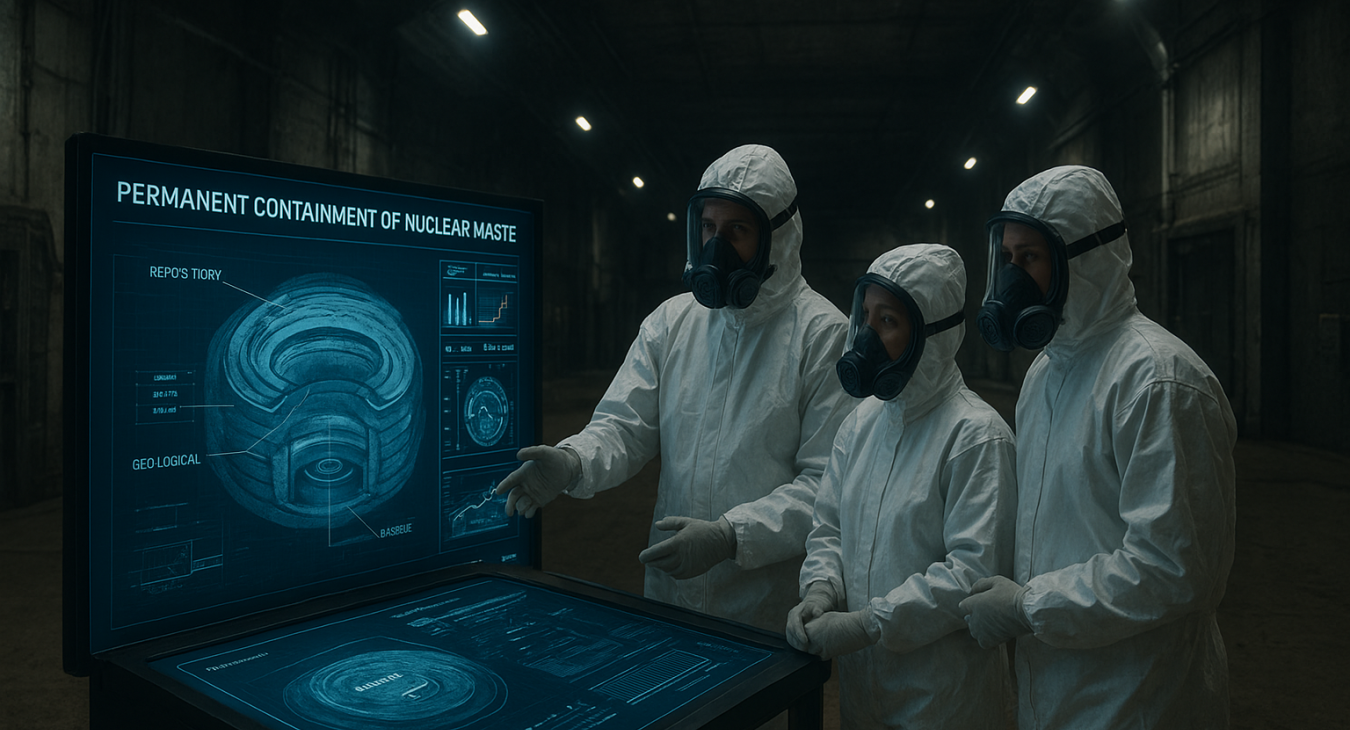

The intersection of civilian infrastructure and military capability presents a significant challenge for global security. Dual-use technologies are items, software, or materials that have legitimate applications in the production of energy, medicine, and manufacturing but can also be repurposed to develop weapons of mass destruction. One of the most critical areas where this overlap occurs is in nuclear technology, specifically regarding reactor materials and warheads.
The Dual-Use Nature of Uranium Enrichment
Uranium enrichment is a primary example of how civilian progress can be diverted toward military objectives. This process involves increasing the concentration of uranium-235, which is essential for nuclear power plants to generate electricity. However, the same technology used to enrich uranium for fuel also enables the production of highly enriched uranium suitable for weapons. Because the infrastructure and technical knowledge required are so similar, international bodies must monitor these activities closely to prevent proliferation.
Nuclear Material Thresholds and Regulations
To manage these risks, regulatory frameworks establish specific thresholds for nuclear materials. For instance, twenty-five kilograms of uranium-235 or eight kilograms of plutonium are considered the approximate amount of material that could be used to create a nuclear weapon. These limits serve as benchmarks for monitoring and reporting requirements across different jurisdictions.
Export Controls and Dual-Use Lists
The European Union maintains a regime through Regulation (EU) 2021/821 to control the export, brokering, technical assistance, transit, and transfer of dual-use items. This regulation ensures that materials intended for civilian use do not end up in the hands of entities seeking to develop conventional or nuclear munitions. The Dual-Use List includes specific components like non-fusible aromatic polyimides in film, sheet, tape, or ribbon form that are thicker than 0.254 mm or coated with carbon, graphite, metals, or magnetic substances.
Global Cooperation on Nuclear Technology
Suppliers have agreed on principles and common definitions to manage nuclear-related dual-use equipment and materials. This list includes software and technology that could contribute to nuclear weapons proliferation, acts of nuclear terrorism, or unsafeguarded nuclear fuel-cycle activities. By establishing these standards, the international community works to prevent the misuse of peaceful technologies for destructive purposes.
The Role of Conventional Munitions
In addition to nuclear materials, conventional munitions also pose a threat when supported by dual-use goods and technologies. The Russian Federation and Ukraine use specific lists to identify items that could support the development, production, or enhancement of conventional munitions. This comprehensive approach ensures that both nuclear and conventional weapons are addressed in global security efforts.