
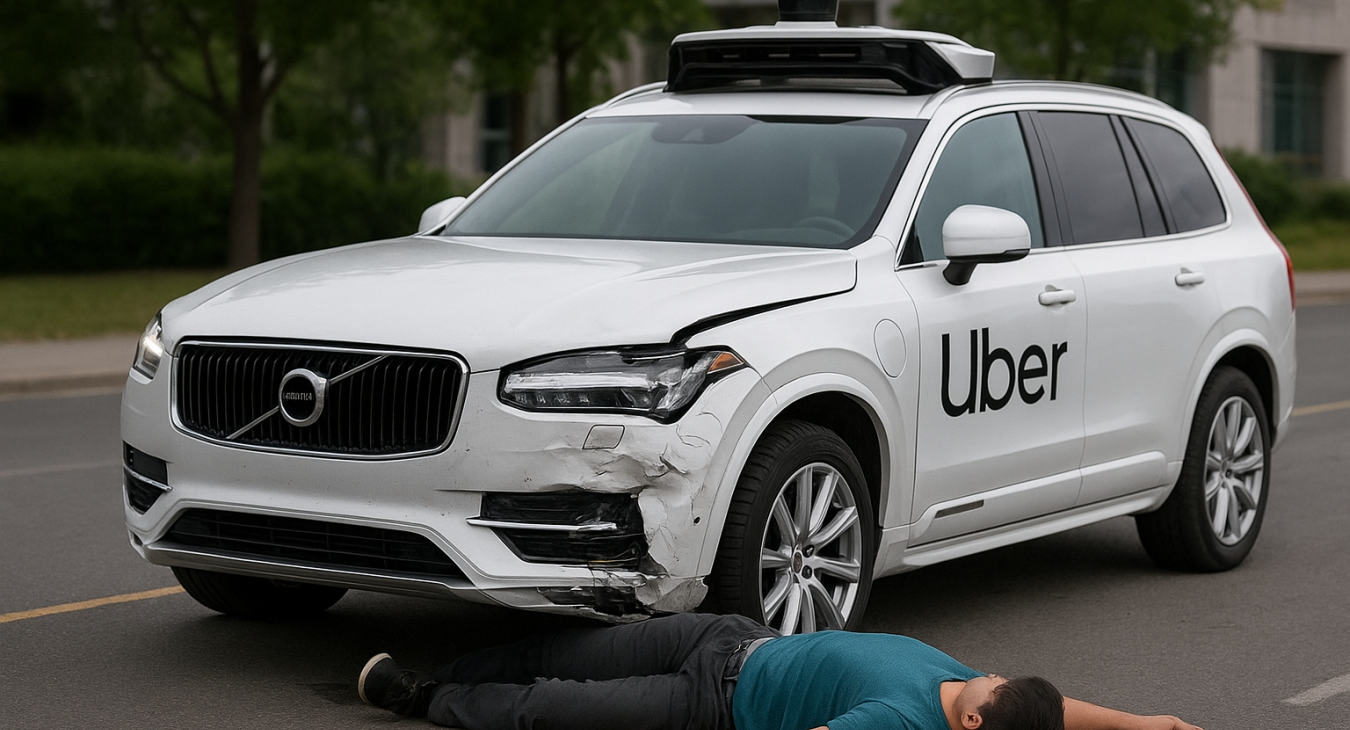
The rapid advancement of autonomous vehicle technology has brought both immense promise and significant challenges. While the goal is to create safer transportation systems, several incidents have highlighted the critical risks associated with algorithmic errors in self-driving cars. One notable case occurred in April 2018 when an Uber autonomous vehicle crashed into a pedestrian because its software failed to recognize the person correctly.
The Incident and Its Impact
This specific crash underscored the limitations of current artificial intelligence systems in navigating complex real-world environments. The algorithm responsible for object detection was unable to identify the pedestrian as a human being, leading to a fatal outcome. This event served as a stark reminder that even with sophisticated technology, errors can occur that have devastating consequences.
Analyzing Algorithm Failures
To address these issues, researchers at King's College London developed new algorithms designed to automatically explain specific instances of self-driving car crashes. By reviewing past events, these tools help identify the root causes of failures and provide insights for improving future safety protocols. This research aims to make autonomous systems more transparent and accountable by explaining why certain decisions were made during a crash.
Comparing Autonomous vs Human Driving
A matched case-control analysis was conducted to investigate differences in accident occurrence between various levels of autonomous vehicles and human-driven vehicles. This study used data from 2100 Advanced Driving Systems and Advanced Driver Assistance Systems to provide a comprehensive overview of safety performance across different technologies.
The Path Forward for Autonomous Safety
Improving the reliability of self-driving cars requires continuous research and development. By understanding why algorithms fail, engineers can develop more robust systems that are less prone to errors. The work done by researchers at King's College London is a crucial step toward creating safer autonomous vehicles that can navigate complex environments without endangering lives.



