
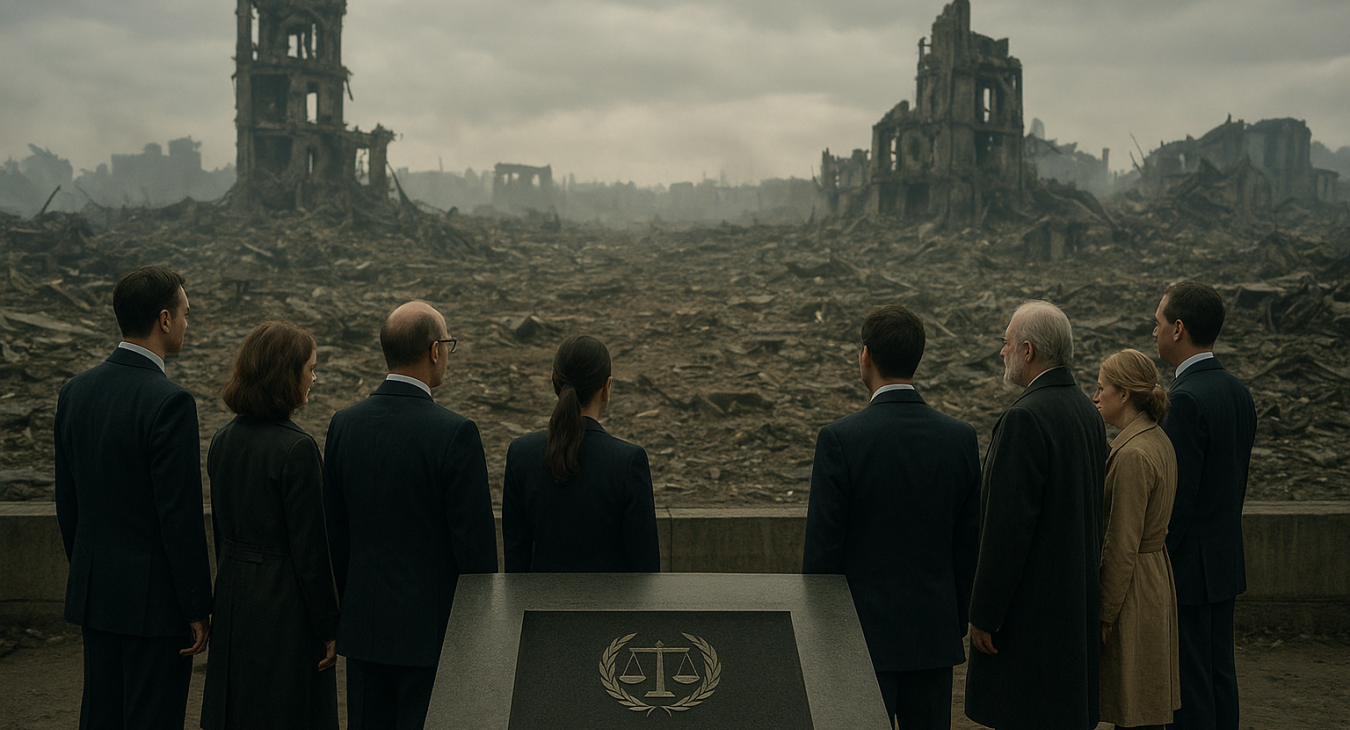
War crimes represent some of the most egregious violations of international law and human rights in modern history. These acts are defined as serious breaches of the laws and customs of war, which have been established since the Hague Conventions of 1899 and 1907. The formal definition of these crimes gained significant momentum during major international trials such as Nuremberg and Tokyo, where leaders from Austria, Germany, and Japan were prosecuted for their actions during World War II.
The Role of International Tribunals
International tribunals have played a critical role in prosecuting individuals responsible for war crimes. For example, the International Criminal Tribunal for the former Yugoslavia (ICTY) tried 161 high ranking people while local courts in Bosnia, Croatia and Serbia tried individuals or soldiers who carried out orders from those officers. In addition to these trials, Croatia raised charges against 3666 people for war crimes, of which 1381 were dropped due to lack of evidence.
The International Criminal Court
The International Criminal Court (ICC) issues warrants for individuals accused of genocide, war crimes, crimes against humanity and aggression. This court serves as a primary mechanism for ensuring accountability in cases where national legal systems are unable or unwilling to prosecute these serious offenses.
Notable Convictions
Recent convictions provide examples of the types of crimes prosecuted by international bodies. For instance, Mr Al Hassan was convicted on 26 June 2024 for crimes against humanity including torture and persecution as well as war crimes such as mutilation and cruel treatment. He was acquitted of charges involving rape, sexual slavery and attacking protected objects.
The Evolution of Accountability
Justice mechanisms are evolving to meet the challenges of the digital age. The Reckoning Project and Yale University's Genocide Studies Program are convening global experts to examine the evolution of war crimes justice from 1990s tribunals to today’s digital age accountability mechanisms.



