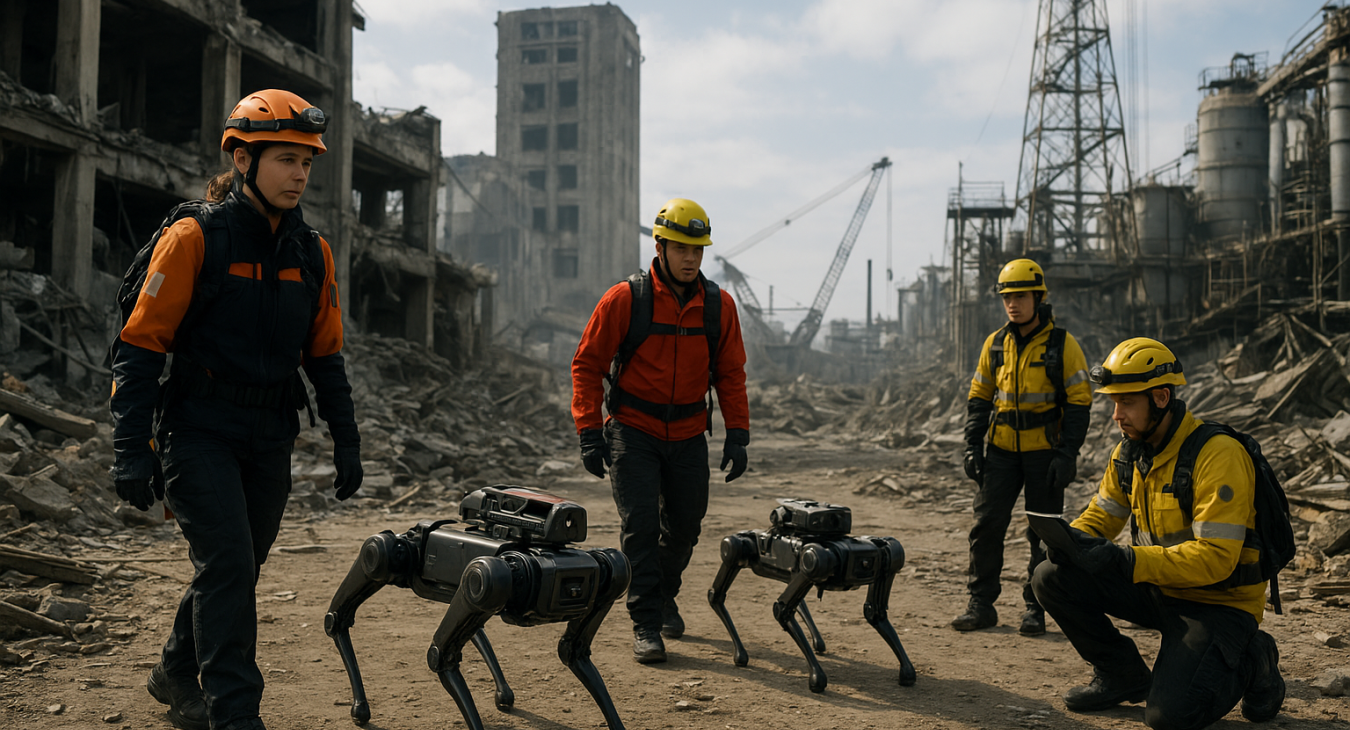
Individuals with ADHD often experience a distinct shift in cognitive performance when faced with immediate threats or high pressure situations. This phenomenon occurs because the brain responds to emergencies by releasing adrenaline, which can temporarily compensate for lower baseline levels of dopamine and norepinephrine. These neurotransmitters are essential for maintaining attention and focus.
When an emergency arises, the surge of adrenaline creates a state of heightened alertness that allows many people with ADHD to experience increased clarity and decisiveness. This response helps them prioritize tasks effectively and act quickly in situations where others might feel overwhelmed or paralyzed by stress. While this effect is temporary and specific to high pressure environments, it highlights how the brain adapts its chemistry to meet immediate demands.