
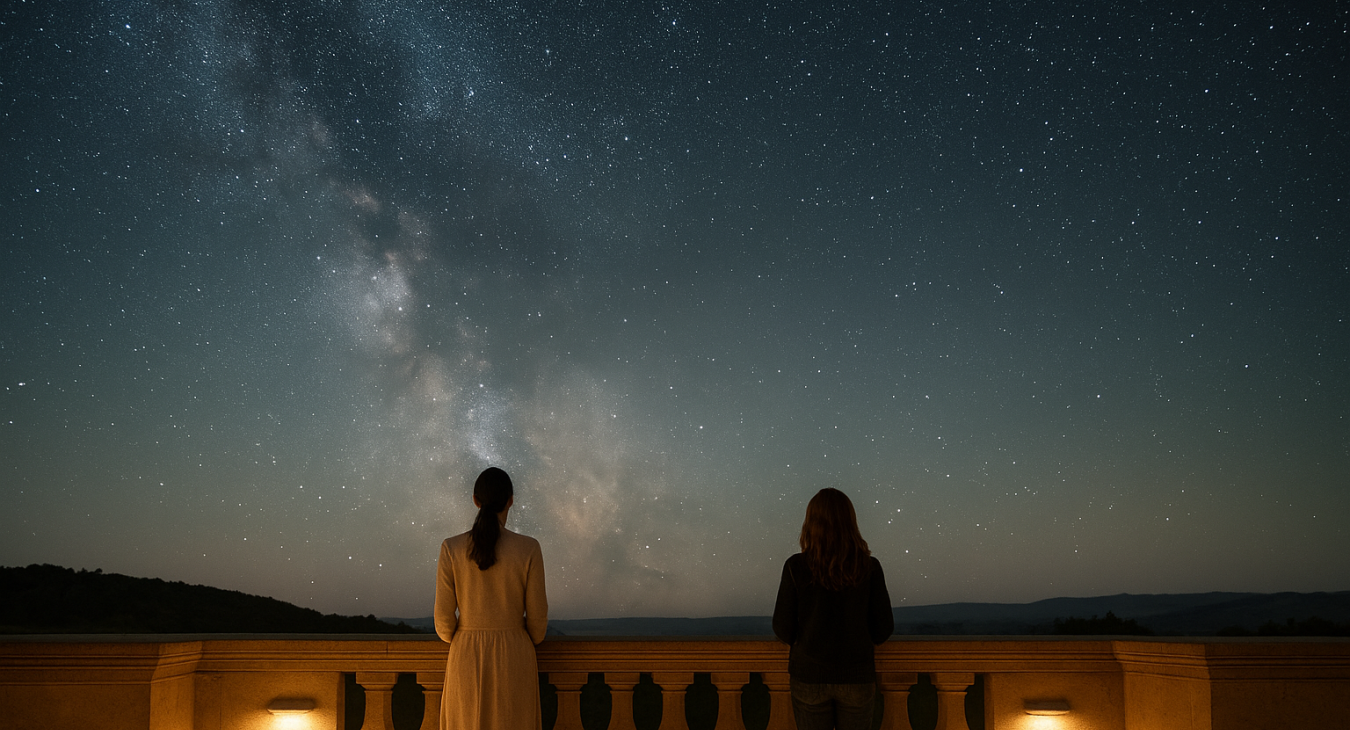
Light pollution is a growing concern for both humans and wildlife, impacting our ability to see the stars and disrupting natural cycles. By reducing light pollution, we can create a more harmonious environment for everyone.
The term light pollution refers to excessive or inappropriate use of artificial light at night. It affects everything from human health to animal behavior, making it essential to understand its consequences and find solutions.
Understanding the Impact on Wildlife
Many animals rely on natural cycles of light and darkness for navigation, hunting, and reproduction. Artificial lights can disrupt these patterns, leading to confusion and even death in some cases. For example, sea turtles may become disoriented by bright lights on beaches, making it difficult for them to reach the ocean.
Human Health Consequences
Light pollution also affects human health, impacting our sleep patterns and circadian rhythms. Exposure to artificial light at night can lead to insomnia, fatigue, and other related issues. By reducing unnecessary lights, we can improve our overall well-being.
Practical Solutions for Reducing Light Pollution
There are several ways to reduce light pollution in your community or home. One effective method is to use shielded lighting fixtures that direct light downwards rather than upwards into the sky. Another approach is to choose lights with warmer color temperatures, as these have less impact on wildlife and human health.
Community Involvement
Involving your community in reducing light pollution can make a significant difference. You can start by educating others about the issue and encouraging them to take action. Working together with local organizations or government agencies can help create a more sustainable environment for everyone.
Conclusion
By taking simple steps like using shielded lighting fixtures and choosing warmer color temperatures, we can reduce light pollution and create a better environment for both humans and wildlife. Let us work together to make our nights brighter with the stars rather than artificial lights.