
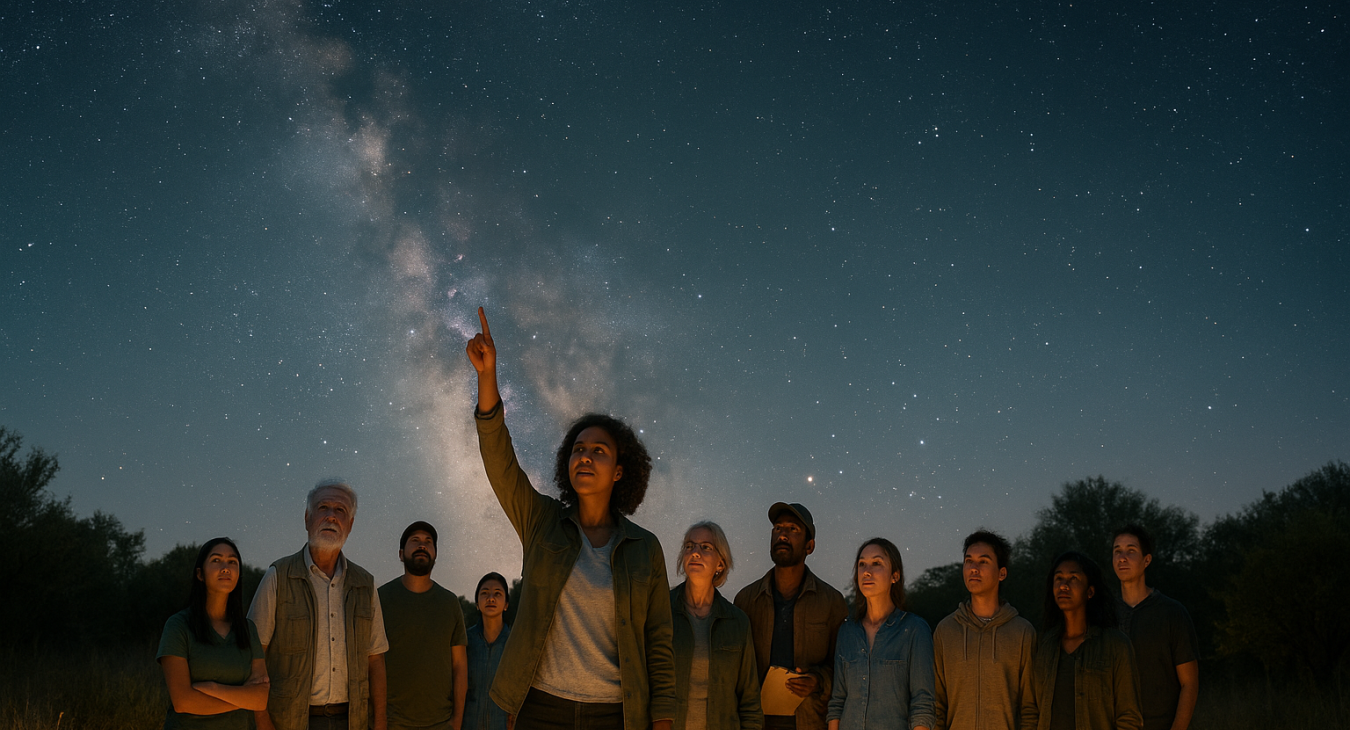
The global increase in artificial light at night has become a significant environmental concern, impacting both the natural world and human well-being. Light pollution is no longer just an aesthetic issue of losing clear views of the stars; it is a complex ecological problem that affects wildlife behavior, migration patterns, and biodiversity. By reducing unnecessary lighting, we can restore the natural cycles of day and night, creating a healthier environment for animals and a clearer view of the cosmos.
The Impact on Wildlife Migration
Many species rely on celestial cues to navigate across vast distances. Birds migrating at night often use the stars and the moon as guides. Artificial light can disorient these birds, causing them to veer off course or collide with illuminated structures. Sea turtles also face similar challenges when they hatch from their nests. They are naturally drawn toward the ocean but can be misled by bright lights on beaches, leading them away from the water and into dangerous areas where they may perish.
Disruption of Circadian Rhythms
Animals have evolved over millions of years to synchronize their biological clocks with the natural cycle of light and darkness. This circadian rhythm is essential for sleep, hormone regulation, and reproduction. Artificial lighting can disrupt these cycles, leading to stress and health issues in various species. For example, some nocturnal animals may become less active or change their foraging habits when exposed to constant artificial light, potentially affecting their ability to find food and avoid predators.
The Importance of Dark Skies
Preserving dark skies is crucial for maintaining biodiversity. Many species are adapted to life in the dark and rely on it for hunting, mating, and communication. When artificial light replaces natural darkness, these animals can lose their competitive advantages or face increased risks from predators. By reducing unnecessary lighting, we can create safer environments for wildlife and help preserve the diversity of our planet's ecosystems.
Practical Steps to Reduce Light Pollution
There are several practical steps individuals and communities can take to reduce light pollution. Using shielded fixtures that direct light downward, choosing warmer color temperatures, and installing motion sensors or timers can all make a difference. By making these small changes, we can contribute to the preservation of dark skies and create a healthier environment for animals and humans alike.
Conclusion
Reducing artificial light at night is an important step toward protecting our planet's biodiversity and improving human well-being. By making conscious choices about lighting, we can restore the natural cycles of day and night, create a healthier environment for animals, and enjoy a clearer view of the stars. Let us work together to preserve dark skies and ensure that future generations can experience the beauty of the cosmos.