
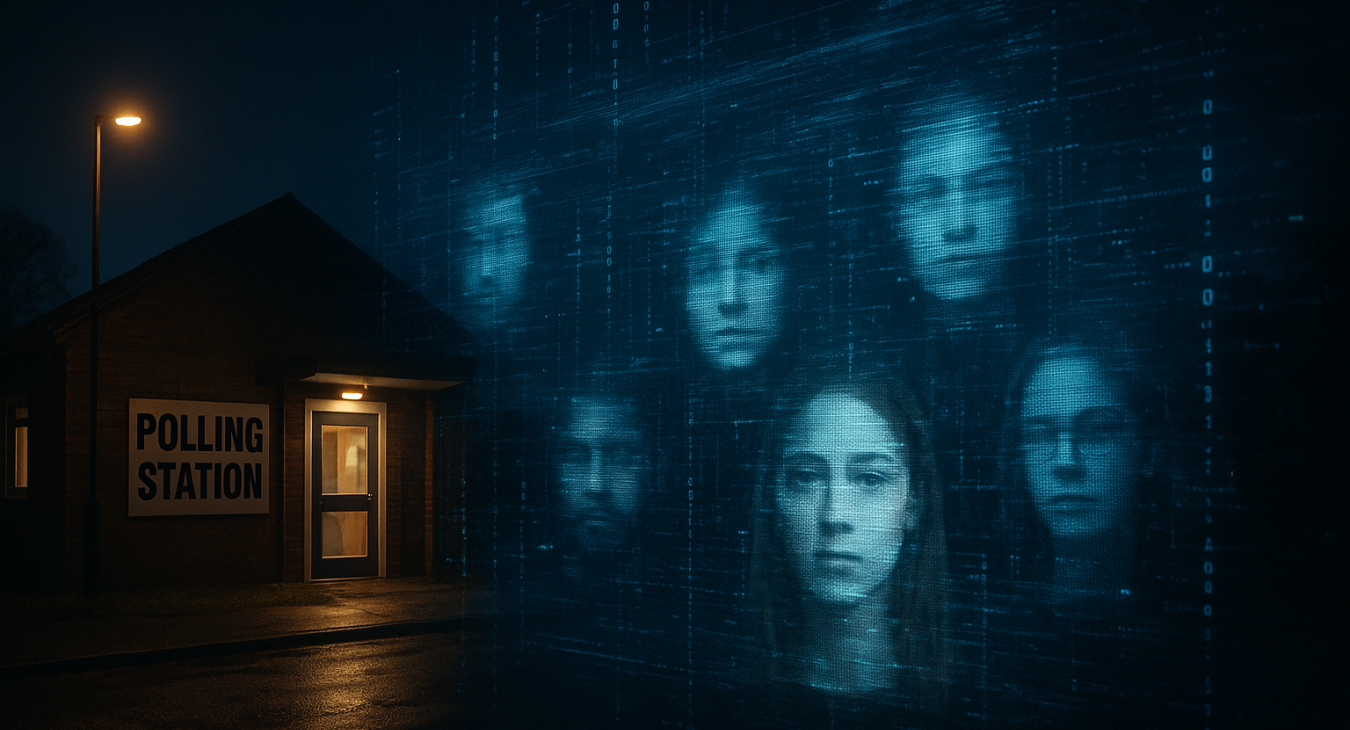
The rise of artificial intelligence (AI) presents both opportunities and challenges, particularly concerning democratic processes like elections. In the United Kingdom, concerns about AI-driven election manipulation are growing, prompting discussions around regulation, media literacy, and safeguarding the integrity of the electoral system. This article explores how AI can be used to manipulate elections in the UK, the current responses, and potential future developments.
The Threat Landscape: How AI Can Manipulate Elections
AI's capabilities extend far beyond simple automation; they enable sophisticated forms of disinformation and voter influence that were previously difficult or impossible to execute at scale. Here’s a breakdown of key threats:
Deepfakes and Synthetic Media
Perhaps the most widely recognised threat is deepfake technology. AI can generate incredibly realistic but entirely fabricated videos, audio recordings, and images – known as synthetic media – depicting candidates saying or doing things they never did. These could be released close to election day to damage reputations or sway public opinion. While current deepfakes are often detectable with scrutiny, the technology is rapidly improving.
Microtargeting and Personalized Disinformation
AI excels at analyzing vast datasets of voter information – demographics, online behaviour, social media activity – to create highly targeted advertising campaigns. This microtargeting allows for personalized disinformation to be delivered to specific groups, exploiting individual biases and vulnerabilities. Messages can be tailored to reinforce existing beliefs or introduce false narratives in a way that feels credible.
Automated Disinformation Campaigns (Bot Networks)
AI-powered bots can flood social media platforms with propaganda, amplify divisive content, and create the illusion of widespread support for certain candidates or policies. These bot networks are difficult to detect and can significantly impact online conversations and public perception.
Sentiment Analysis & Narrative Control
AI tools can be used to monitor public sentiment towards candidates and issues in real-time. This information allows campaigns to adjust messaging and target specific concerns, effectively attempting to control the narrative surrounding an election. It also aids in identifying vulnerable points of attack against opponents.
Current Responses & Regulations
The UK government and electoral authorities are beginning to address these challenges, although responses are still evolving:
Online Safety Act
The Online Safety Act (2023) places a duty of care on social media platforms to protect users from harmful content, including disinformation. While not specifically targeting AI-generated material, it provides a legal framework for holding platforms accountable for the spread of false information.
Electoral Commission Guidance
The Electoral Commission has issued guidance to political parties and candidates regarding the responsible use of online advertising and data analytics, emphasizing transparency and accuracy. They are also actively monitoring online activity during election periods.
Media Literacy Initiatives
Several organizations are working to improve media literacy among the public, equipping individuals with the skills to critically evaluate information they encounter online and identify potential disinformation. This is considered a crucial long-term defense against AI-driven manipulation.
Rapid Response Units & Fact-Checking
News organizations and fact-checking bodies are establishing rapid response units to quickly debunk false claims and synthetic media that emerge during election campaigns. The speed of dissemination via social media necessitates swift action.
Future Developments & Challenges
The challenges posed by AI in elections will only intensify as the technology advances:
Increased Sophistication of Deepfakes
Deepfake technology is becoming increasingly accessible and convincing, making them harder to detect. Watermarking techniques and AI-powered detection tools are being developed but face a constant arms race with those creating deepfakes.
Evolving Bot Technology
AI-powered bots are becoming more sophisticated in their ability to mimic human behaviour and evade detection. This requires continuous refinement of bot identification methods.
Cross-Border Disinformation Campaigns
Disinformation campaigns can originate from outside the UK, making it difficult to trace and counter them. International cooperation is essential to address this challenge.
The Need for Proactive Regulation
Current legislation may not be sufficient to keep pace with rapidly evolving AI capabilities. There’s a growing debate about whether more proactive regulation is needed, potentially including stricter rules on political advertising and data usage.
For further information and resources regarding the impact of AI on elections, you can visit the Electoral Commission website or contact them via phone at +44 300 123 4567 or email at info@electoralcommission.org.uk.