
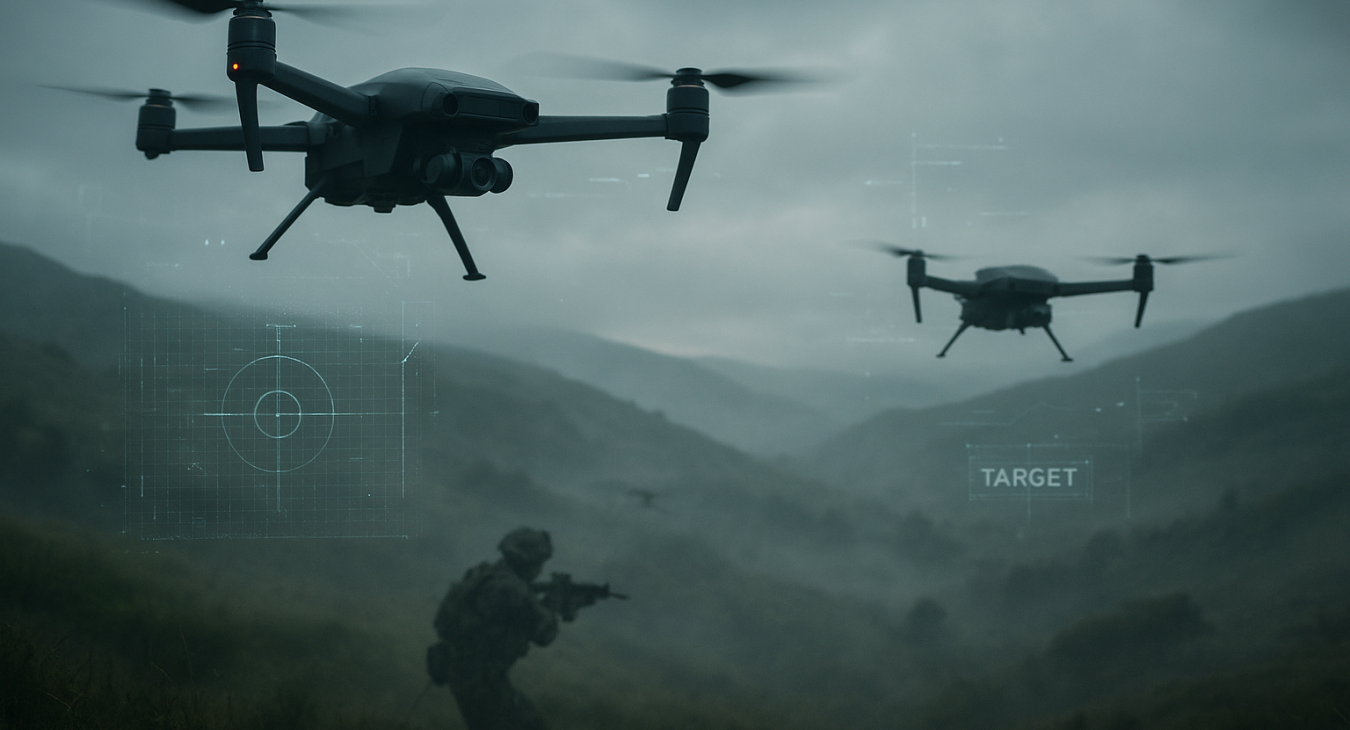
The ongoing conflict in Ukraine has brought into sharp focus the evolving nature of warfare, particularly regarding the increasing presence and potential deployment of autonomous weapons systems (AWS), often referred to as ‘killer robots’. While their full extent of use remains a subject of debate and verification amidst the fog of war, evidence suggests that elements of AWS are being utilized, raising serious ethical, legal, and strategic concerns.
What are Autonomous Weapons Systems?
Autonomous weapons systems are defined as those capable of selecting and engaging targets without human intervention. They operate using artificial intelligence (AI) and machine learning algorithms to analyze data from sensors, identify threats, and make decisions about engagement. These systems range in sophistication; some might assist human operators by providing targeting recommendations, while others could theoretically act with minimal or no human oversight.
Current Usage in Ukraine
Reports indicate that Russia has deployed various types of unmanned aerial vehicles (UAVs), including drones equipped with AI capabilities for reconnaissance and attack purposes. These are not fully autonomous 'killer robots' in the sense of machines making independent life-or-death decisions, but they represent a step towards greater autonomy. Ukraine also utilizes numerous drone systems, often modified or developed locally, which similarly incorporate elements of automated targeting and navigation.
Specific examples include Russian Lancet loitering munitions, which are capable of autonomous target identification and engagement. While human operators still initiate the launch sequence, the system’s ability to independently search for and strike targets is a significant advancement. Ukrainian forces employ drones extensively for reconnaissance, artillery spotting, and in some cases, direct attacks, with varying degrees of automation assisting their operation.
Ethical and Legal Considerations
The use of AWS raises profound ethical questions. A core concern revolves around accountability: who is responsible when an autonomous weapon makes a mistake and causes unintended harm to civilians? Current international humanitarian law (IHL) principles, which require distinction between combatants and non-combatants, and proportionality in the use of force, are difficult to apply to systems making decisions without human judgment.
The lack of human control also raises concerns about compliance with IHL. Can an algorithm be programmed to adhere to complex legal rules and ethical considerations encountered on a battlefield? The potential for bias embedded within AI algorithms is another critical issue. If training data reflects existing societal biases, these biases could be amplified in the targeting decisions made by AWS.
Strategic Implications
The deployment of AWS has significant strategic implications beyond the immediate conflict in Ukraine. It lowers the threshold for armed conflict, potentially making it easier to initiate hostilities. It also alters the nature of warfare, shifting the focus from human soldiers to technological systems, and raising the risk of escalation due to miscalculation or unintended consequences.
The proliferation of AWS technology is a growing concern. As these systems become more accessible and affordable, they could fall into the hands of non-state actors or rogue regimes, further destabilizing international security.
International Efforts & Regulation
Discussions regarding the regulation of autonomous weapons systems are ongoing within the United Nations Convention on Certain Conventional Weapons (CCW). However, progress has been slow due to disagreements among member states. Some nations advocate for a complete ban on AWS, while others argue that they offer potential military advantages and should be developed under strict human control.
The Campaign to Stop Killer Robots is an international coalition advocating for a preemptive ban on fully autonomous weapons: https://www.stopkillerrobots.org You can also find further information and reports from organizations like Human Rights Watch (https://www.hrw.org/topic/autonomous-weapons) . For inquiries related to international humanitarian law, contact the International Committee of the Red Cross (ICRC) via their website or regional offices.
The Future of Warfare
The conflict in Ukraine serves as a testing ground for these technologies, accelerating the development and deployment of AWS. While fully autonomous 'killer robots' are not yet widespread, the trend towards greater autonomy is undeniable. The international community faces an urgent challenge to establish clear ethical guidelines and legal frameworks to govern the use of these powerful weapons systems before they fundamentally alter the landscape of warfare.