Instant global visibility through digital platforms
Social media platforms like Twitter, Instagram, and TikTok provide the French youth protests with immediate and widespread exposure. Protesters livestream events, share photos, and post real-time updates, enabling anybody worldwide to follow developments closely. Hashtags play a central role in categorizing and amplifying content, helping these movements break through geographic barriers and reach international audiences.
Cross-cultural solidarity fueled by shared references
French youth often reference global protest symbols and slogans, such as "Black Lives Matter" or "Fridays for Future," to connect their cause with broader struggles. Memes, songs, and cultural touchstones from different countries show a shared language of dissent, inviting empathy and support from diverse communities beyond France. This shared cultural currency builds bridges across borders and social divides.
Digital networks enabling decentralized activism
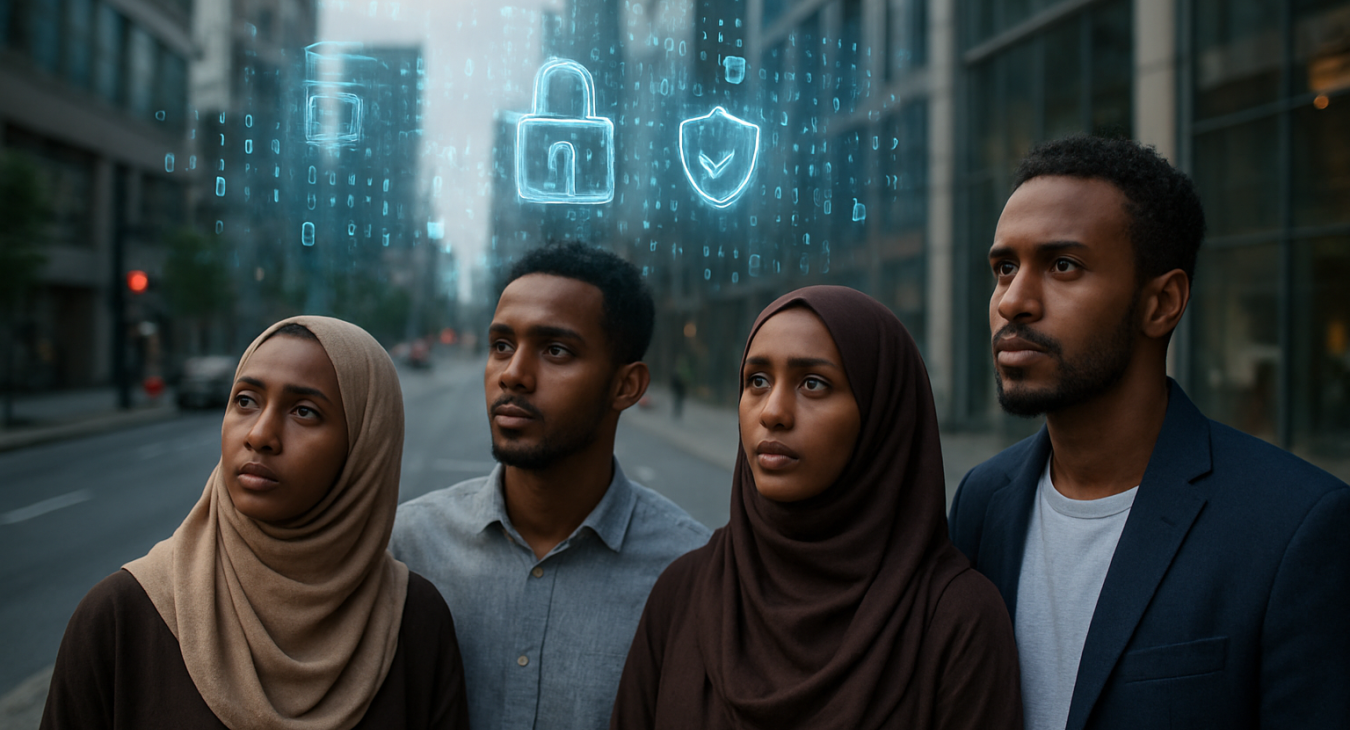
Online tools like encrypted messaging apps and collaborative platforms empower decentralized coordination. This organization style reflects global digital culture trends, allowing youth to mobilize rapidly without hierarchical structures. Consequently, protests become harder to control and gain momentum as networks of activists exchange strategies internationally.
Influencing perceptions through multilingual content
Translations and subtitles contribute to making the protests accessible to global audiences. Videos, articles, and social media posts shared in multiple languages facilitate understanding and increase the protests’ resonance. This multilingual approach enables conversations that challenge one-dimensional national narratives.