
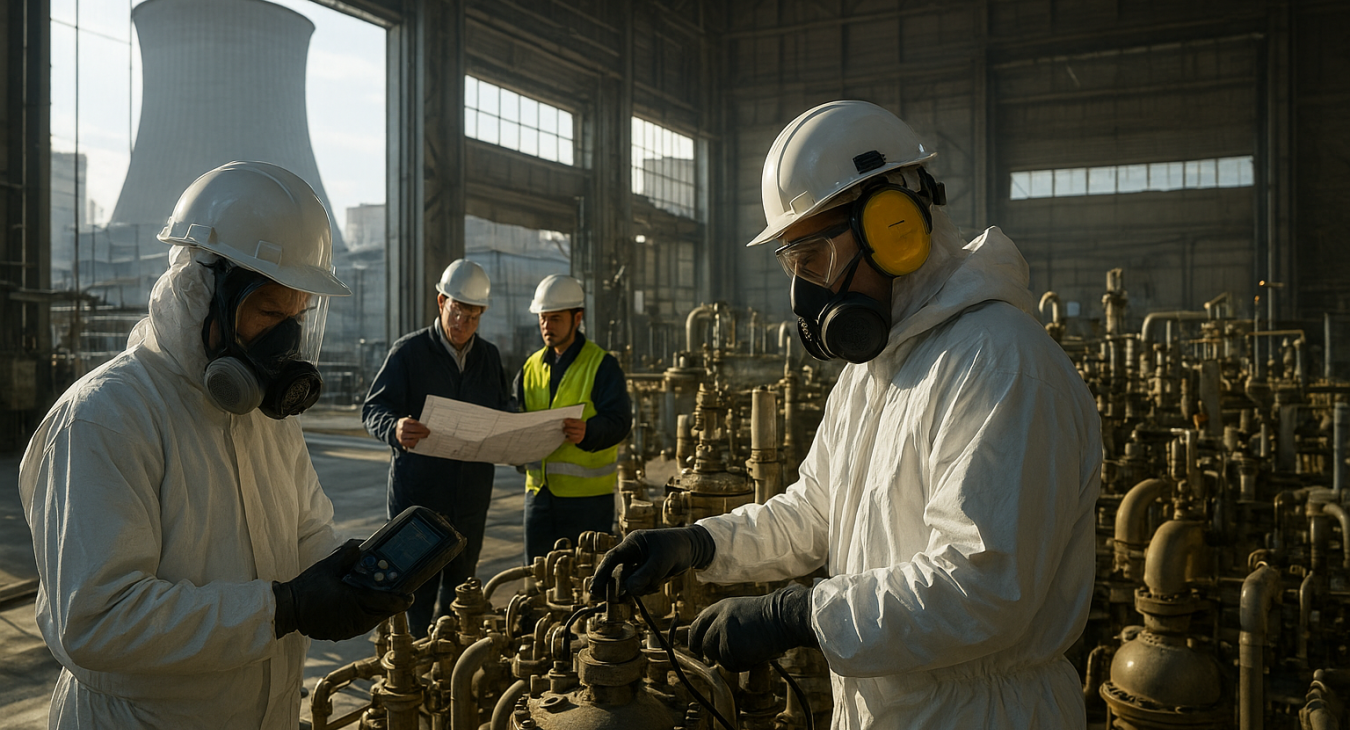
The accident at the Three Mile Island Unit 2 (TMI-2) reactor near Middletown, Pennsylvania, on March 28, 1979, remains a critical moment in the history of U.S. commercial nuclear power. This event, recognized as the most serious incident in American operating nuclear plant history, fundamentally reshaped how the industry approaches safety and emergency preparedness.
The Incident Background
Located on the Susquehanna River in Londonderry Township, Dauphin County near Harrisburg, Pennsylvania, the Three Mile Island Generating Station experienced a partial nuclear meltdown. The accident began around 4:00 a.m. on March 28, 1979. While it was historically significant for releasing radioactive gases and iodine into the environment, it is important to note that subsequent analyses confirmed these small releases had no detectable health effects on either plant workers or the general public.
Exposing Operational Weaknesses
The incident highlighted significant procedural and structural weaknesses within the industry's safety framework. It demonstrated that despite advanced technology, human error combined with institutional oversight failures could lead to a severely compromised situation. The accident forced an immediate governmental reckoning with nuclear power’s inherent risks, leading directly to sweeping regulatory changes.
Real Experiences and Public Impact
For those involved, the experience was profoundly stressful. From first responders to plant engineers, many recount a period of intense confusion and scrambling for answers. These personal accounts emphasize the critical need for clear communication channels and robust training protocols when facing an emergency.
The accident served as a wake-up call for the Federal Government and the nuclear power industry alike. It provided invaluable real-world data that was used to bolster safety standards nationwide.
Long-Term Changes and Safety Improvements
In response, major upgrades were implemented across the entire U.S. nuclear fleet. These enhancements included improvements in operator training, emergency planning procedures, and mechanical safety systems. The knowledge gained from TMI has been foundational in ensuring current power plants operate under significantly higher levels of precaution and redundancy.
Today's industry maintains a heightened focus on preventative maintenance and layered defense systems, turning the lessons learned at Three Mile Island into a model for continuous improvement and operational excellence.
The study of this event is not merely about tragedy; it is an inspiring story of institutional resilience and commitment to public safety. It paved the way for a safer future for nuclear energy.



