The Phenomenon of Awe and the Natural World
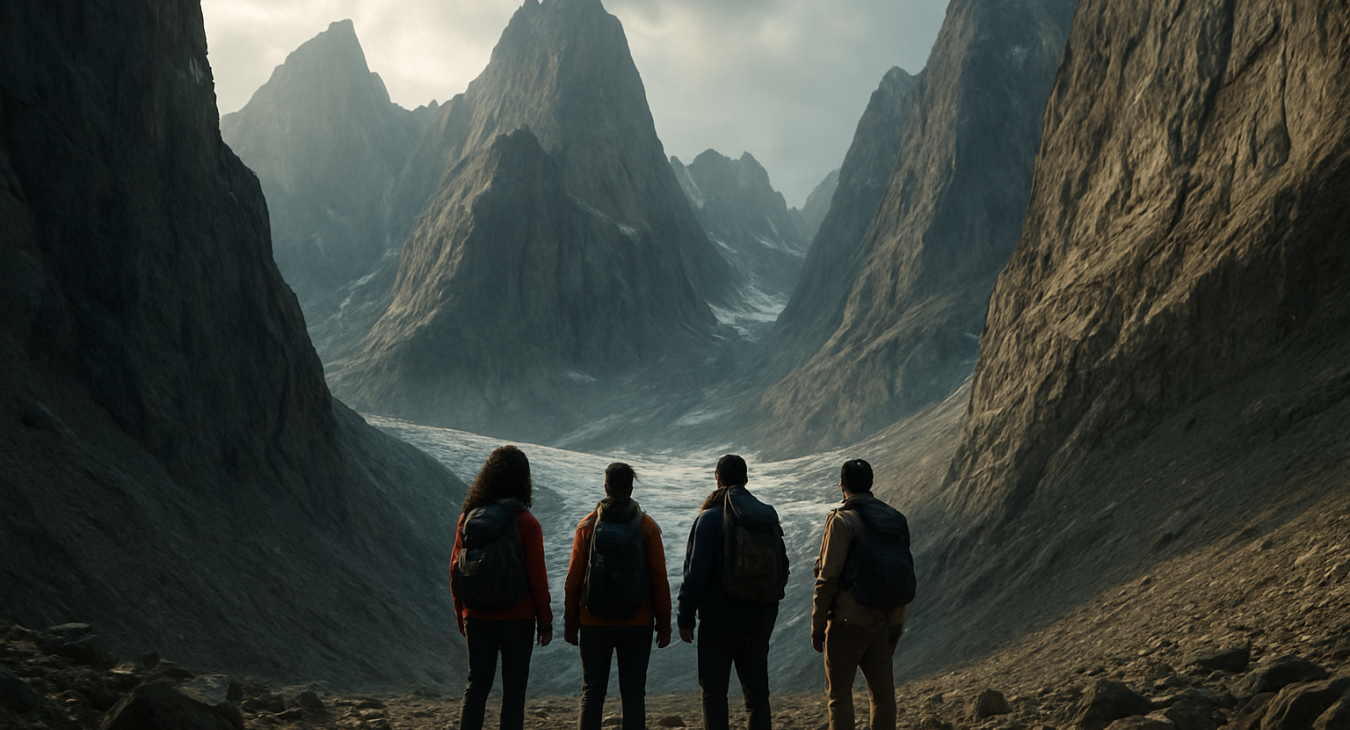
In psychology, the sensation of feeling small when confronted by the vastness of the natural world is often linked to the emotion of awe. This profound state of wonder occurs when an individual encounters something so expansive or powerful that it requires a cognitive update to process. Whether it is looking up at a towering canopy of old-growth trees or staring into the infinite horizon of the ocean, the experience of being dwarfed by nature can trigger a psychological shift. This shift often leads to a reduction in self-focused thinking, allowing the individual to connect with something much larger than their immediate personal concerns.
The Science of Stress Reduction and Nature Exposure
Scientific research suggests that even brief periods of exposure to natural environments can yield significant mental health benefits. Studies indicate that spending as little as fifteen minutes in nature can help reduce symptoms of stress, anxiety, and depression. This effect is not dependent on a massive trek through a national park; even small-scale interactions, such as sitting in a local park or observing water, can provide a therapeutic effect. By shifting the focus away from the internal stressors of daily life, the natural environment acts as a calming agent for the nervous system.
The Role of Micro-Interactions and Mindfulness
One of the most accessible ways to harness the benefits of nature is through micro-interactions. You do not need to embark on a long expedition to improve your well-being. Simple activities such as watching ants move through the soil, observing the flight patterns of birds, or journaling about the textures of leaves can be highly effective. These activities encourage a state of mindfulness, where the individual is fully present in the moment. This grounding technique helps to interrupt the cycle of ruminative thoughts, which is often a core component of anxiety and depressive disorders.
Nature as a Tool for Resilience and Competence
Beyond passive observation, engaging with the natural world can build psychological resilience. When individuals participate in healthy risk-taking activities within nature, such as hiking a challenging trail or navigating uneven terrain, they foster a sense of competence. This mastery over a physical environment translates into emotional resilience, providing the individual with the confidence to face challenges in their social or professional lives. Nature serves as a training ground for the human spirit, allowing for a gradual building of self-efficacy through physical and mental perseverance.
Cognitive Refreshment and Productivity
The concept of Attention Restoration Theory (ART) suggests that urban environments demand much of our directed attention, leading to mental fatigue. In contrast, natural environments provide a form of soft fascination that allows the mind to rest and recover. Taking purposeful breaks in nature, even for durations as short as five minutes, can significantly boost both mental well-being and productivity. By stepping away from digital screens and indoor stimuli, the brain undergoes a restorative process that enhances cognitive functions like concentration and memory.
Therapeutic Applications for Mental Health Conditions
Nature-based interventions are increasingly recognized for their role in supporting individuals with specific mental health conditions. The calming and therapeutic environments provided by the outdoors can be particularly beneficial for those managing Post-Traumatic Stress Disorder (PTSD), clinical anxiety, and major depressive disorder. The vastness of the natural world provides a unique psychological buffer, helping to diminish the intensity of the self-focused preoccupation often associated with these conditions. By providing a sense of scale and perspective, nature helps individuals realize that their immediate struggles are part of a much larger, more complex existence.
Conclusion: Integrating Nature into Daily Life
To maximize the mental health benefits of the natural world, one should aim to integrate nature into daily routines rather than viewing it as a luxury. Whether it is a walk through a small green space, watching the clouds, or simply sitting near a body of water, these moments of connection are vital. The feeling of being small in the face of nature is not a diminishment of the self, but rather an expansion of the self into a larger context, providing the perspective necessary for lasting mental well-being.