The push toward nuclear power as a cornerstone for meeting global energy demands, especially to support advanced needs like AI data centers, presents an impressive vision for clean electricity. However, this progress is inevitably linked to a complex challenge: the management of highly radioactive spent fuel.
Spent fuel assemblies, which are removed from reactors after use, generate substantial amounts of heat—a process called decay heat. This makes them intensely hot and necessitates careful and continuous handling. The sheer volume presents a national dilemma; for example, the United States holds an estimated 90,000 metric tons of spent fuel.
The Overcrowding Challenge
A critical concern revolves around the capacity and cooling requirements of existing facilities. Spent fuel pools require even more rigorous cooling systems than operating reactors because they are immensely hot. Experts have noted that current pools risk becoming greatly overcrowded, exacerbating the need for highly reliable and resilient power sources to ensure continuous cooling.
The Lack of a Defined Long-Term Solution
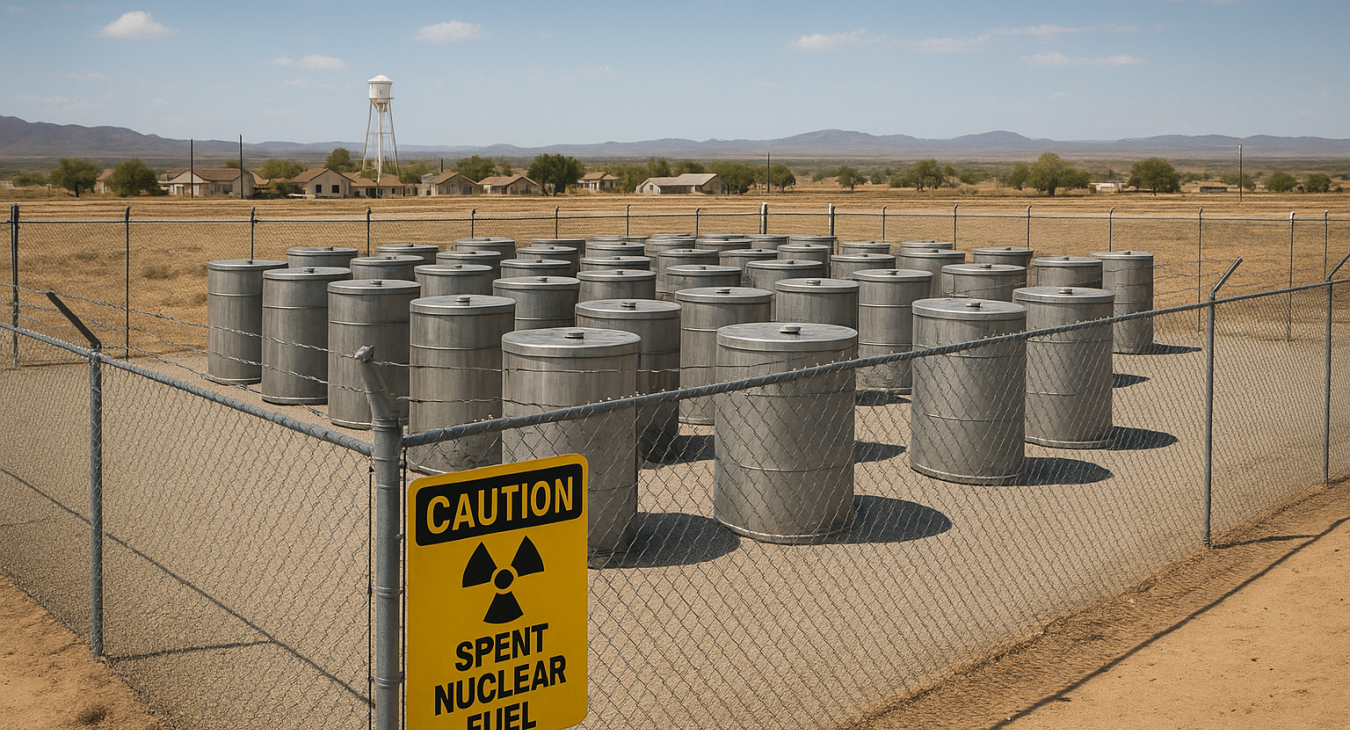
Despite advancements in reactor design, industry leaders, governments, and tech giants struggle to pinpoint a clear, comprehensive solution for the long-term storage of this radioactive waste. Much of the existing nuclear waste is stored temporarily in methods like dry casks at decommissioned facilities, such as those found at Big Rock Point in Michigan.
While planning and thorough training can mitigate risks, the challenge lies in preparing for an ever-changing array of potential issues. Furthermore, there remains a significant concern regarding external threats; a widespread collapse of the power grid system could potentially compromise nuclear facilities, including heavily loaded spent fuel pools.
A Path Forward Through Collaboration
Addressing this requires more than just engineering prowess. It demands systemic cooperation between multiple sectors—including utilities, government bodies, and advanced industry partners. Focusing on developing robust permanent geological repositories is key to ensuring that the energy potential of nuclear power can be realized safely and sustainably for future generations.
Ultimately, maintaining a continuous dialogue about waste management is vital to building public trust and creating practical solutions that match the ambitious pace of global energy development.
Read more articles
- Log in to post comments