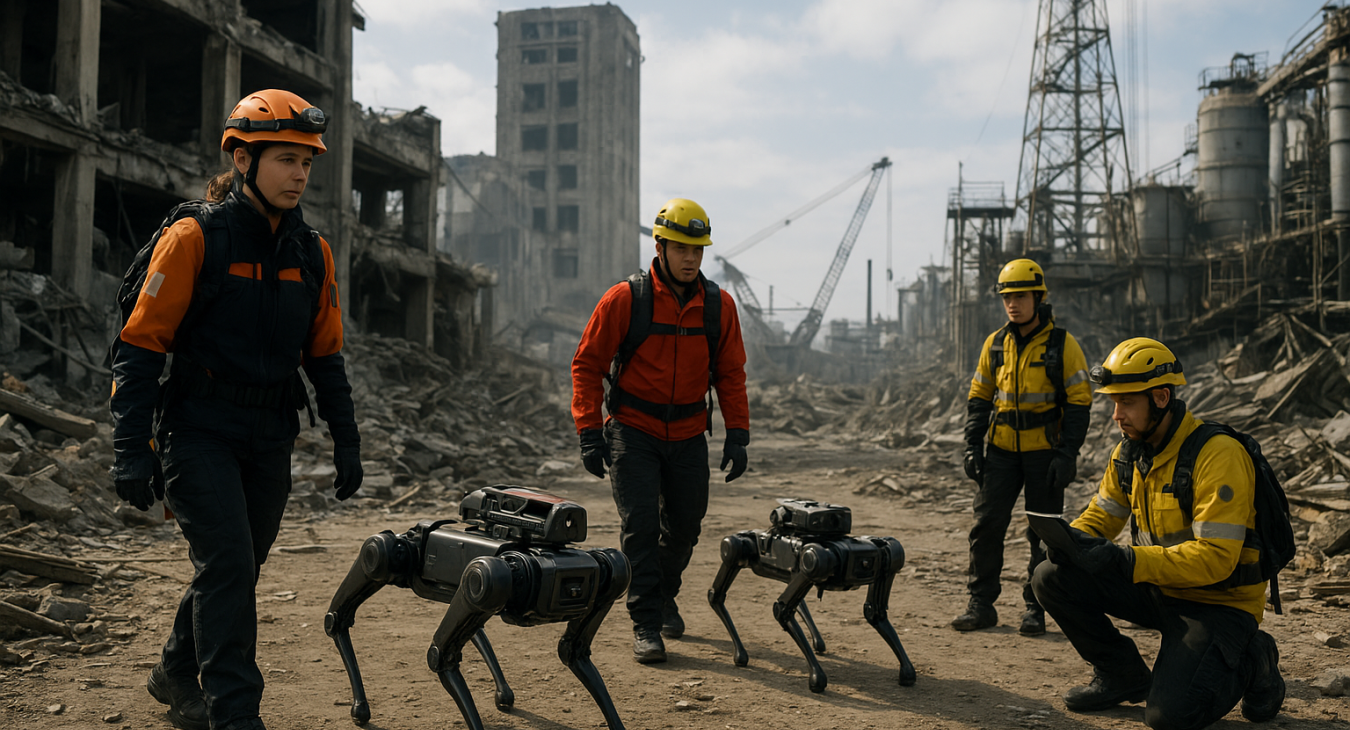

The rapid advancement of robotics technology has introduced autonomous systems capable of navigating complex environments and identifying targets with high precision. However, these machines are not infallible. Understanding the limitations of robot dog sensors provides a strategic advantage for those looking to evade detection or navigate around automated surveillance systems.
Tactical Movement Patterns
One effective method involves utilizing unconventional movement patterns that confuse AI camera algorithms. For instance, US Marines demonstrated how somersaulting for 300 meters can disrupt the tracking capabilities of certain robotic cameras. This technique exploits the limitations of motion analysis software which often relies on consistent human gait and posture to identify individuals.
Walking behind trees or other natural obstacles also serves as a primary method for evading robot detection. By breaking line of sight, you can prevent sensors from maintaining a continuous lock on your position. This is particularly effective when combined with rapid movement between cover points to minimize the time available for the sensor to reacquire the target.
Physical Obstacles and Camouflage
Using cardboard boxes or other improvised materials can provide an immediate layer of concealment against robotic sensors. These items serve as physical barriers that block visual data from reaching the camera while also providing a temporary shield against infrared or ultrasonic detection methods.
In addition to physical obstacles, integrating natural elements into your camouflage strategy is essential. Utilizing local vegetation and terrain features can help blend in with the surroundings and reduce the visibility of human forms. This approach relies on the principle of visual blending where the goal is to minimize contrast between the subject and the background.
Sensor Limitations and Exploitation
Every sensor system has specific limitations that can be exploited for tactical advantage. For example, some cameras may struggle with low light conditions or high glare which can be used to your benefit by positioning yourself in areas where these factors are prevalent.
Understanding the frequency and range of different sensors allows you to identify potential blind spots and avoid detection. By knowing the operational limits of each sensor type, you can develop strategies that maximize your chances of evading robotic surveillance systems effectively.