
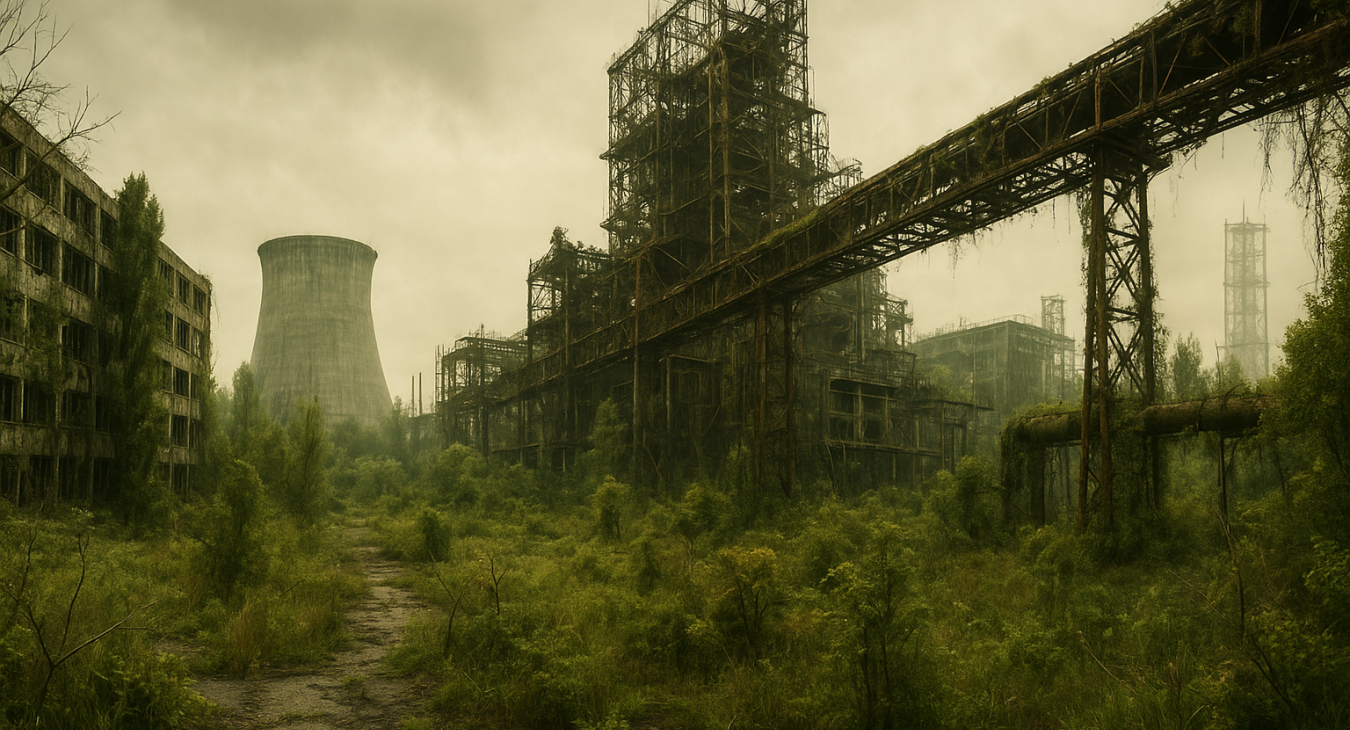
The disaster at Chernobyl in 1986 remains one of history's most profound lessons in nuclear safety, human oversight, and the catastrophic consequences of failed planning. After three and a half decades, the site stands not merely as a ruin but as a perpetual, unsettling monument to what happens when systems fail spectacularly.
The Immediate Catastrophe
On April 26, 1986, during a safety test at Reactor Unit 4 of the Chernobyl Nuclear Power Plant in the Soviet Union, a cascade of errors—technical, procedural, and human—led to an explosion of unimaginable magnitude. The reactor core, which was inherently unstable under certain conditions, breached containment. What followed was not just a fire, but a massive release of radioactive isotopes into the atmosphere, affecting vast swathes of Europe.
A Lesson in Oversight
The incident highlighted critical vulnerabilities: outdated design principles, inadequate safety protocols, and systemic secrecy within Soviet scientific and governmental structures. The reactor’s RBMK type was notoriously flawed. During the crisis, the lack of transparent communication allowed the scale of the disaster to spread gradually, creating panic and impeding effective global response efforts.
The Long-Term Aftermath: Zoned Life
The immediate exclusion zone surrounding the plant remains heavily restricted. The consequences were profound: forced evacuations of hundreds of thousands of people, contamination of agricultural land, and long-term health crises among liquidators and local populations. The visible remnants—the skeletal remains of structures, the irradiated forests—serve as stark, tangible reminders.
The Ongoing Challenge
Even after decades, the site poses enormous technical and ethical challenges. Modern specialized inspection services are required to assess boilers, pressure vessels, and nuclear components that have been battered by time and radiation. The continuing mission involves stabilizing the core, managing contamination spread, and ensuring safe long-term decommissioning.
The Chernobyl disaster forces humanity to confront a crucial philosophical point: the absolute necessity of contingency planning—the Plan B. Whether in complex industrial engineering or geopolitical stability, assuming perfect predictability is the most dangerous mistake. Chernobyl is therefore not just a story of nuclear failure; it is an enduring, haunting reminder that catastrophic systems require constant, meticulous vigilance and a robust fallback strategy to protect life itself.
- Log in to post comments



