
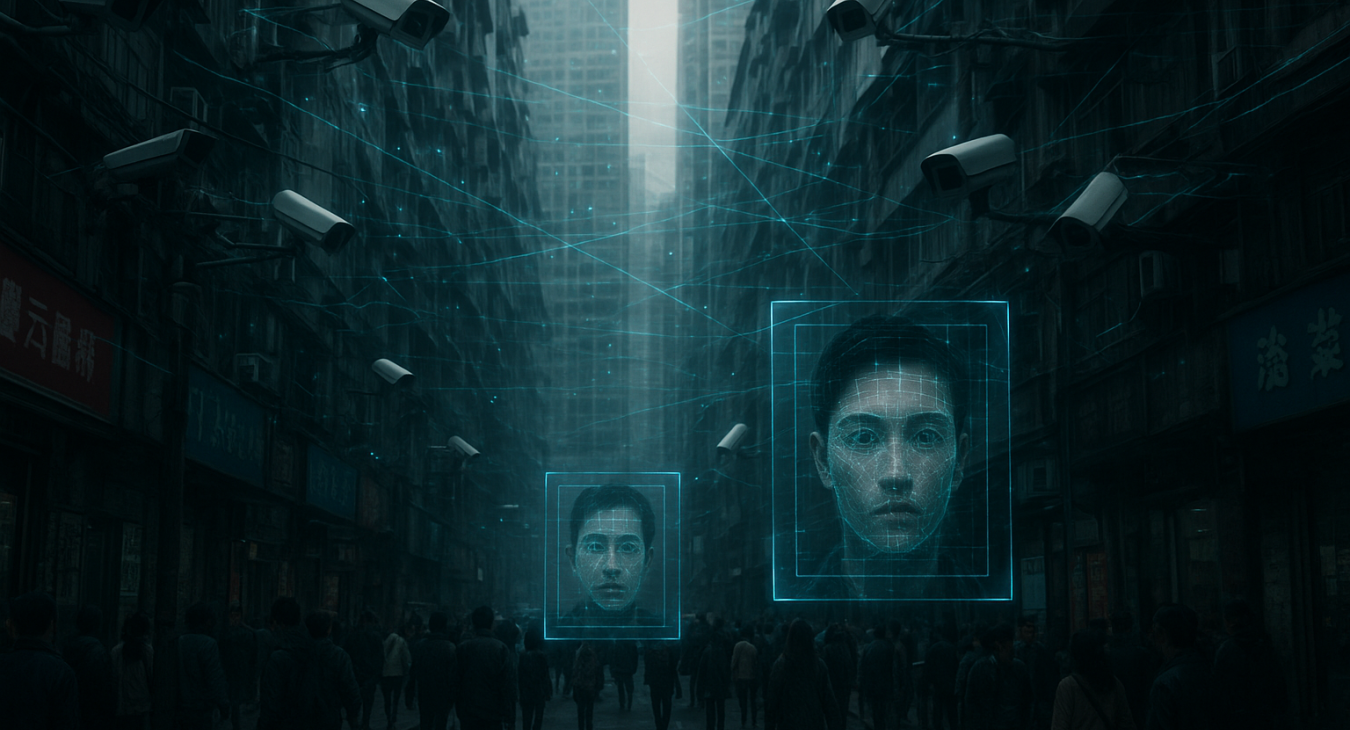
Artificial Intelligence Surveillance in China
China's adoption of artificial intelligence (AI) for surveillance purposes is arguably the most extensive globally, raising significant concerns about privacy and human rights. The scale and sophistication of these systems are unprecedented, impacting not only citizens within China but also influencing the development and potential export of similar technologies worldwide.
The Scope of AI Surveillance
The Chinese government has invested heavily in developing a comprehensive surveillance infrastructure, integrating facial recognition technology, big data analytics, and predictive policing algorithms. This isn't confined to specific areas; it’s increasingly prevalent across urban centers, transportation hubs, public spaces, and even rural regions.
Facial Recognition Technology
Perhaps the most visible aspect of China's AI surveillance is its widespread use of facial recognition. Millions of cameras equipped with this technology are deployed nationwide, constantly scanning for individuals. These systems aren’t just identifying faces; they can also analyze expressions and behaviors to assess perceived risk levels.
Social Credit System
Linked closely to surveillance is China's Social Credit System (SCS). While its implementation varies across regions, the core idea involves assigning citizens a score based on their behavior – both online and offline. Data from surveillance systems contributes to this scoring, influencing access to services like loans, travel permits, and even employment opportunities. The system aims to encourage conformity and discourage behaviors deemed undesirable by the government.
Predictive Policing
AI is also employed in predictive policing initiatives. Algorithms analyze vast datasets – including surveillance footage, social media activity, and personal information – to anticipate potential crime hotspots or identify individuals considered likely to commit offenses. This approach has been criticized for potentially reinforcing biases and leading to unjust targeting of certain communities.
Technology Providers & Implementation
Several Chinese companies play a crucial role in developing and deploying these surveillance technologies. SenseTime, Hikvision, and Dahua Technology are among the most prominent, with their products used extensively by government agencies and law enforcement. These firms have faced scrutiny internationally for enabling human rights abuses.
Role of Private Companies
It’s important to note that in China, the line between private enterprise and state control is often blurred. While these companies are technically privately owned, they operate under significant government influence and benefit from favorable policies and contracts related to surveillance projects.
Concerns & Criticisms
The widespread use of AI for surveillance in China has drawn condemnation from human rights organizations worldwide. Key concerns include:
- Privacy Violations: Mass data collection and analysis erode individual privacy rights.
- Discrimination & Bias: Algorithms can perpetuate existing biases, leading to unfair targeting of minorities and marginalized groups.
- Lack of Transparency & Due Process: The opacity surrounding how these systems operate makes it difficult to challenge their decisions or hold authorities accountable.
- Chilling Effect on Free Expression: The constant monitoring creates a climate of fear, discouraging dissent and limiting freedom of expression.
International Implications
China's export of its surveillance technologies is also raising global concerns. Several countries, particularly in Southeast Asia and Africa, have adopted similar systems, potentially replicating the privacy and human rights issues seen within China.
Further Information
For more information on this topic, you can visit resources such as Human Rights Watch - Surveillance in China. While direct contact details for the Chinese government agencies involved are not readily available to international media, various human rights organizations offer avenues for reporting concerns and seeking further clarification.


