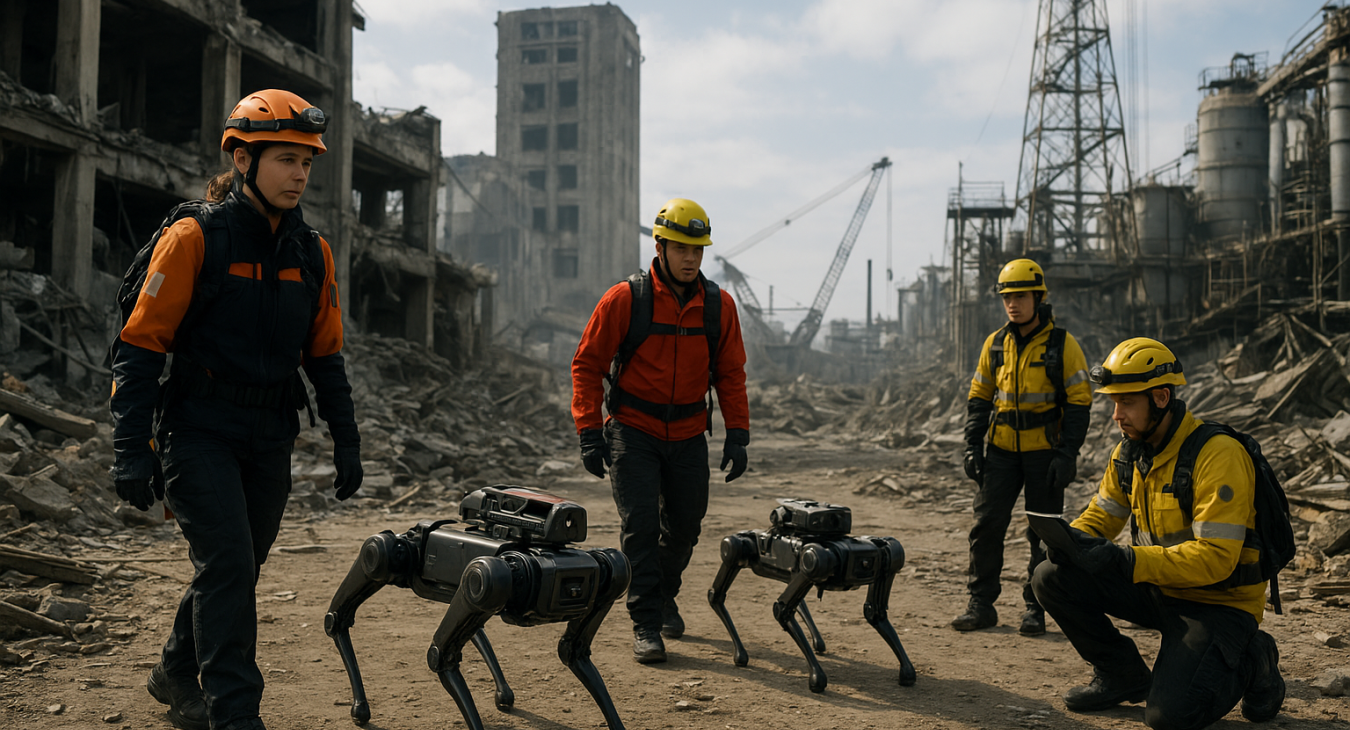
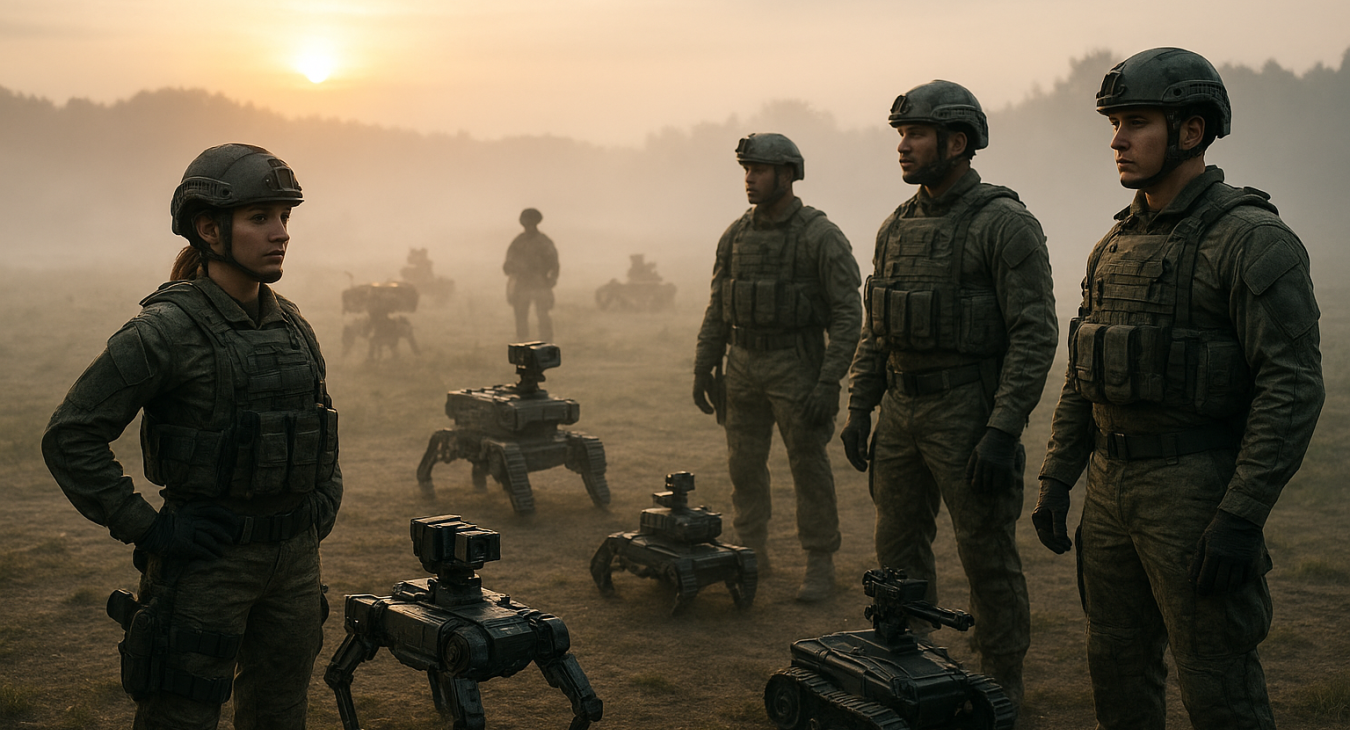
The rapid advancement of robotics in military applications has introduced a new era of unmanned systems on the battlefield. One notable development is the deployment of robot dogs, which are being utilized for reconnaissance and potentially offensive operations. These machines possess significant advantages over human soldiers, such as the ability to operate in hazardous environments without risk to life. However, their presence also introduces unique challenges that require innovative countermeasures.
1. Understand Robot Dog Capabilities
To effectively counter robot dogs, it is essential to understand their current capabilities and limitations. For instance, the Ghost Robotics dog can be commanded to chamber a round from an unloaded state, clear the chamber, and safe the weapon. This demonstrates that while these robots are becoming more capable, they still have specific operational parameters.
2. Utilize Terrain for Advantage
Robot dogs like Big Dog are designed to navigate complex terrain such as hillsides, brush, and creeks. They can carry up to 400 pounds of equipment while maintaining stability. However, their movement is still constrained by physical obstacles that might be difficult for them to traverse efficiently.
3. Exploit Sensory Limitations
Robot dogs rely on sensors like cameras and lidar to perceive their surroundings. These systems can sometimes be confused or blinded by environmental factors such as smoke, dust, or intense light. By creating conditions that interfere with these sensors, you might gain a tactical advantage.
4. Use Decoy Tactics
Decoys can be used to distract robot dogs and draw them away from their primary objectives. These devices could include visual decoys like balloons or auditory decoys such as sirens. By creating multiple points of interest, you might confuse the robot dog's navigation system.
5. Develop Countermeasures
The development of countermeasures against robot dogs is an ongoing process. These could include electronic warfare techniques to jam communication signals or physical obstacles designed to impede their movement. By staying ahead of technological advancements, you can develop effective strategies for countering these machines.
What are the engineering limitations of quadruped robots?
- Mobility limitations
- Stairs, rubble, mud, loose sand, ice, and dense vegetation remain challenging environments.
- Stability decreases when carrying heavy payloads or traversing highly uneven terrain.
- Power constraints
- Battery life is often measured in hours rather than days.
- Payload, speed, and computation all consume energy.
- Perception challenges
- Cameras can be affected by poor lighting.
- Dust, rain, fog, smoke and snow can reduce sensor effectiveness.
- Sensor fusion helps compensate, but no sensing system is perfect.
- Communication dependence
- Some systems rely on remote operators or network connectivity.
- Loss of communications may reduce functionality depending on system design.
- Decision-making limitations
- AI systems can perform poorly in situations not represented in training data.
- Unexpected environmental conditions remain a significant research challenge.
- Maintenance and logistics
- Robots require charging, maintenance, software updates, and repairs.
- Mechanical wear can be significant in harsh environments.